Stay Ahead of the Storm!

Get Nolan Carter's live hurricane updates and expert forecasts delivered directly to your inbox.

Current Storms: Categories and Impact


Current Storms: Categories and Impact

Posted on: 2026-03-23
By: Nolan Carter


As hurricane season approaches, understanding storm categories becomes essential for your safety. Knowing the differences can empower you to act decisively when storms threaten your area.

What You Will Learn

  • Active storms are categorized by wind speeds, which indicate potential damage and necessary safety measures.
  • Category 1 hurricanes cause minimal damage, but precautions are still necessary.
  • Category 2 hurricanes bring moderate damage, including increased risks of prolonged power outages.
  • Major storms, classified as Category 3, can cause extensive structural damage and require evacuation.
  • Category 4 hurricanes pose severe threats, necessitating immediate sheltering and preparation.
  • Category 5 hurricanes result in catastrophic damage, often rendering entire neighborhoods uninhabitable.
  • Tracking storm movement and staying informed through reliable sources is crucial for safety during hurricanes.
  • Engagement with local authorities enhances community preparedness and ensures timely safety updates.

Hurricane Categories and Their Implications

Understanding hurricane categories is vital for preparedness. Each category reflects potential damage and necessary safety measures, guiding actions during hurricane events.

Tropical Storm (TS)

Wind Speeds: 39-73 mph

Category 1

74-95 mph

Light damage, power outages.

Category 2

96-110 mph

Moderate damage, uprooted trees.

Category 3

111-129 mph

Extensive damage, widespread outages.

Category 4

130-156 mph

Severe destruction, long-term outages.

Category 5

>157 mph

Catastrophic damage, immediate evacuation.

Understanding Active Storms: Categories and Their Significance

When it comes to hurricanes, knowing what type of storm you’re dealing with can make all the difference. Active storms can vary widely in intensity, and understanding their categories is crucial for effective preparedness. At Hurricane News Today, we aim to empower you with the knowledge you need to stay safe during hurricane season.

Each category reflects the potential damage and required safety measures. By grasping these classifications, you can better prepare yourself and your community for the impact of a storm. Let's take a closer look at what these categories mean and how they guide your actions during hurricane events.

Defining Active Storms: What You Need to Know

Active storms are defined by their wind speeds, potential for damage, and overall threat level. They are classified into categories based on their wind speed, which also indicates the probable impact on structures and the environment. Understanding these definitions helps you assess the situation more effectively, as detailed by the National Oceanic and Atmospheric Administration (NOAA).

  • Tropical Storm: Wind speeds between 39-73 mph.
  • Hurricane: Wind speeds of 74 mph or higher.
  • Category 5 Hurricane: Wind speeds exceeding 157 mph.

Having a clear grasp of these definitions can help you interpret forecasts and alerts. Accurate information leads to better preparedness, which is essential for safety during hurricane season. You’ll want to stay informed and ready to act based on the storm's classification.

Categories of Storms: A Detailed Breakdown

The Saffir-Simpson Hurricane Wind Scale is the tool we use to categorize hurricanes. Each category, from 1 to 5, reflects potential damage and safety measures necessary for that level of storm. Let's break down each category:

Category 1: Light Damage Expectations

In a Category 1 hurricane, wind speeds range from 74 to 95 mph. These storms can cause some damage, such as:

  • Minor roof or siding damage
  • Fallen tree branches
  • Power outages

While the damage is generally light, it’s still important to take precautions. Secure any outdoor items and stay informed about the storm’s path.

Category 2: Moderate Damage Potential

A Category 2 hurricane brings wind speeds of 96 to 110 mph. The damage can become more significant, including:

  • Moderate damage to roofs and siding
  • Some trees may be uprooted
  • Power outages that could last for several days

Preparation is key at this stage. Make sure you have your emergency kit ready!

Category 3: Extensive Damage and Safety Concerns

With wind speeds of 111 to 129 mph, Category 3 hurricanes are classified as major storms. They can cause:

  • Extensive damage to homes and buildings
  • High risk of injury or death due to falling debris
  • Widespread power outages

It’s crucial to follow evacuation orders or safety recommendations from local authorities during this level of storm.

Category 4: Severe Damage Overview

Category 4 hurricanes have wind speeds ranging from 130 to 156 mph. The potential for severe destruction is high:

  • Significant structural damage to homes
  • Most trees will be uprooted
  • Power outages can last weeks or longer

At this stage, it’s essential to take shelter and not underestimate the storm’s power.

Category 5: Catastrophic Damage Insights

Finally, Category 5 hurricanes, with sustained winds exceeding 157 mph, are the most devastating. They can result in:

  • Catastrophic damage to buildings
  • Complete power loss for extended periods
  • Risk of entire neighborhoods being uninhabitable

In the face of a Category 5 storm, immediate evacuation is often necessary for safety.

Understanding Hurricane Categories and Their Implications

Each hurricane category not only informs you about the potential damage but also dictates the actions you should take. Being aware of these categories can help you make informed decisions, whether it's preparing an emergency kit or evacuating your home. Remember, the earlier you prepare, the better chance you have at staying safe and secure during hurricane season.

At Hurricane News Today, we stand with you as you navigate these challenges. Stay tuned for real-time updates and guidance as storms develop, and make sure you’re ready for anything Mother Nature throws your way!

Interactive Poll: How Prepared Are You?

As hurricane season approaches, it's essential to assess your readiness. How prepared do you feel for an active storm? Share your thoughts below:

Summary of Key Insights on Active Storms

As we navigate through the complexities of active storms, it’s essential to have a clear understanding of their various categories and implications. Each storm, from Category 1 to Category 5, presents different risks and levels of damage potential. This knowledge allows us to prepare effectively and respond appropriately when storms threaten our communities.

Here’s a quick recap of the storm categories and their implications:

  • Category 1: Minimal damage, with possible flooding in coastal areas.
  • Category 2: Some damage and increased risk of power outages.
  • Category 3: Significant structural damage likely, necessitating evacuation.
  • Category 4: Severe damage is expected; preparation is crucial.
  • Category 5: Catastrophic damage, requiring immediate action to ensure safety.

Understanding these categories helps us not only in preparation but also in spreading awareness in our communities. We all play a part in ensuring everyone is ready and informed before a storm hits.

The Importance of Tracking Movement and Preparedness

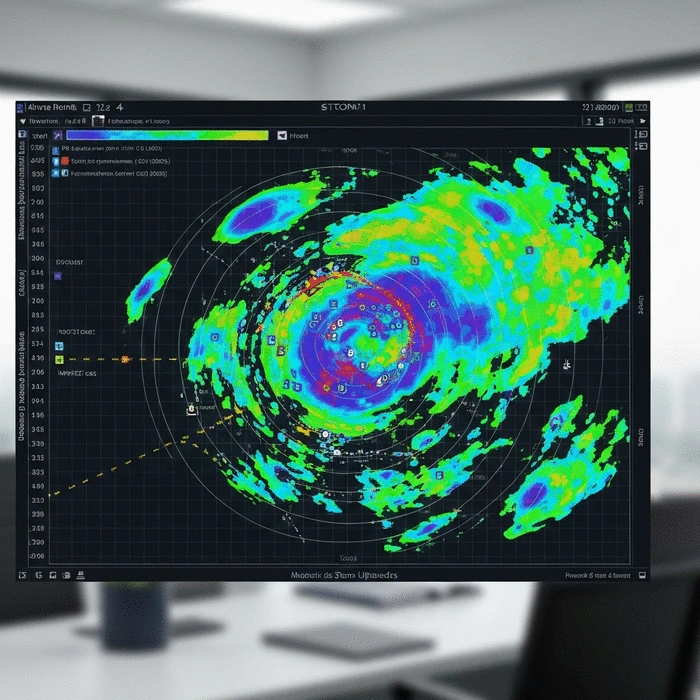
Tracking the movement of active storms is crucial for timely warnings and safety measures. By understanding how storms develop and move, we can enhance our preparedness strategies. Here are some key aspects to consider:

  • Monitor real-time updates from reliable sources like Hurricane News Today.
  • Utilize meteorological data to anticipate storm paths.
  • Stay engaged with local authorities for the latest alerts and instructions.

By remaining vigilant and prepared, we can mitigate risks and protect ourselves and our loved ones. Remember, knowledge is power when it comes to hurricane safety!

The Role of the National Weather Service and NOAA in Storm Management

The National Weather Service (NWS) and the National Oceanic and Atmospheric Administration (NOAA) play pivotal roles in storm management. They provide vital forecasts, warnings, and educational resources for the public. Here’s how they contribute:

  • Offering real-time updates and forecasts for active storms.
  • Conducting research to improve storm prediction models.
  • Providing community outreach programs to educate the public on storm preparedness.

Engaging with these organizations can significantly enhance our understanding of storm dynamics and preparation efforts. By leveraging their resources, we can better equip ourselves for the challenges that storms present.

Frequently Asked Questions About Hurricane Categories

What defines an active storm?
Active storms are defined by their wind speeds, potential for damage, and overall threat level, categorized on the Saffir-Simpson Hurricane Wind Scale.
What is the difference between a tropical storm and a hurricane?
A tropical storm has wind speeds between 39-73 mph, while a hurricane has wind speeds of 74 mph or higher.
What kind of damage can I expect from a Category 1 hurricane?
Category 1 hurricanes (74-95 mph winds) typically cause light damage such as minor roof/siding damage, fallen tree branches, and power outages.
When should I consider evacuating during a hurricane?
Evacuation is crucial for major storms like Category 3 (111-129 mph winds) and above, especially for Category 5 (157+ mph winds) where immediate evacuation is often necessary due to catastrophic damage potential.
How can I stay informed about hurricane developments?
You can stay informed by monitoring real-time updates from reliable sources like the National Hurricane Center, Hurricane News Today, and local emergency management agencies, and by signing up for community alerts.

Call to Action: Stay Informed and Prepared

As we wrap up our discussion on active storms, it’s vital to stay informed and prepared for any situation. Here’s what you can do to ensure your safety and that of your community:

Resources for Continued Learning About Active Storms

To deepen your knowledge about hurricanes and active storms, I encourage you to explore various resources:

  • Visit the National Hurricane Center for the latest storm updates.
  • Check out our website, Hurricane News Today, for in-depth analyses and forecasts.
  • Participate in local community workshops on storm preparedness.

These resources will help you stay informed as the hurricane season progresses.

Engaging with Local Authorities for Safety Updates

Connecting with local authorities is essential for receiving timely safety updates. Ensure you:

  • Follow local emergency management agencies on social media.
  • Sign up for community alerts regarding evacuations and safety measures.
  • Attend community meetings to discuss preparedness strategies.

Engagement with local authorities strengthens our community resilience and keeps everyone informed during critical times.

Emergency Alerts System: Ensuring You're Always Informed

Finally, make sure you are registered for emergency alerts in your area. These alerts can provide:

  • Immediate notifications about storm developments.
  • Information on evacuation orders and safety instructions.
  • Updates on shelters and resources available in your community.

Staying connected through emergency alerts is a simple yet effective way to protect yourself and your family during hurricane season. Remember, being prepared is key to safety!

Recap of Key Points

Here is a quick recap of the important points discussed in the article:
  • Understanding Storm Categories: Active storms are categorized by wind speeds, which indicate potential damage and necessary safety measures.
  • Category Breakdown: Categories range from 1 to 5, with increasing wind speeds and damage potential—from minimal damage in Category 1 to catastrophic destruction in Category 5.
  • Preparedness is Key: For each category, it’s essential to prepare an emergency kit and stay informed about storm paths and local warnings.
  • Engagement with Authorities: Stay connected with local emergency management for timely updates and evacuations to ensure safety.
  • Utilizing Reliable Resources: Follow trusted sources like the National Hurricane Center for real-time updates and forecasts.

Subscribe & Share
Cyclone Forecasting: Challenges and Innovations Cyclone Forecasting: Challenges and Innovations Did you know that advancements in technology are reshaping the way we forecast tropical cyclones? Fr
Current Hurricane Threats Today Current Hurricane Threats Today In times of hurricane threats, staying informed can be the difference between safety and disaster. A
Understanding Hurricane Tracking Tools Understanding Hurricane Tracking Tools As hurricane season approaches, understanding the tools that track these powerful storms becomes ess
Banner
Hurricane News Today

Your go-to resource for live updates, breaking news, and comprehensive analysis of hurricanes worldwide. We help communities stay informed and prepared with our real-time alerts and in-depth safety resources.

Trusted by individuals and emergency responders, our mission is to provide timely and accurate hurricane information backed by seasoned meteorologists and cutting-edge storm tracking technology.

Learn More
Recent Posts
Cyclone Forecasting: Challenges and Innovations Cyclone Forecasting: Challenges and Innovations

Did you know that advancements in technology are r

Current Hurricane Threats Today Current Hurricane Threats Today

In times of hurricane threats, staying informed ca

Understanding Hurricane Tracking Tools Understanding Hurricane Tracking Tools

As hurricane season approaches, understanding the

Hurricane Preparedness Tips