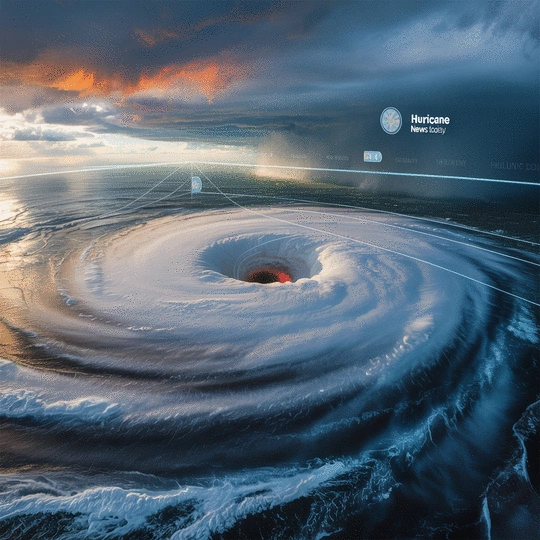
As hurricane season approaches, understanding the language of storm advisories is essential for safety. Recognizing terms like "hurricane watch" and "tropical cyclone advisory" can empower you to act swiftly when it matters most.
What You Will Learn
The difference between hurricane advisories, watches, and warnings, including what actions to take for each.
How the National Hurricane Center (NHC) issues updates and the importance of real-time information during storms.
The role of NOAA in improving hurricane forecasting and public education regarding hurricane risks.
Essential steps for preparing your home and family for a hurricane, including emergency plans and kit items.
The significance of satellite imagery in tracking storm developments and how to interpret this data for safety.
Reliable resources for accessing live hurricane updates and the importance of community engagement during storm events.
Hurricane Advisories: Definitions and Update Frequency
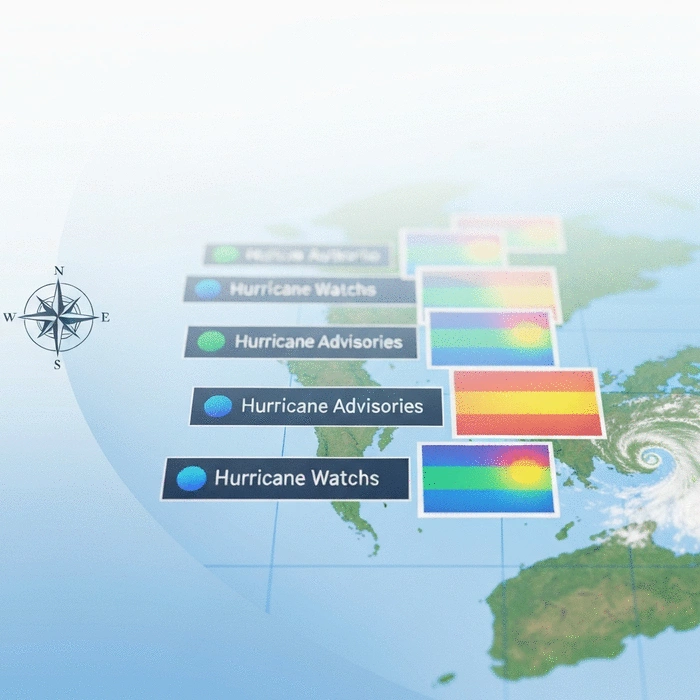
Understanding hurricane advisories is crucial for safety. Below is a comparison of key terms and how frequently updates are issued.
Key Advisory Definitions
Watch: Conditions possible within 48 hours.
Warning: Conditions expected within 36 hours. Immediate action needed.
Storm Surge Watch: Potential for life-threatening coastal inundation.
Tropical Cyclone Advisory: Updates on intensity, location, path.
NHC Update Frequency
6Hours
Standard Updates
Issued every 6 hours during hurricane season.
3Hours
Frequent Updates
Issued every 3 hours when storm is near landfall.
Understanding Current Hurricane Advisories: Key Definitions
When it comes to staying safe during hurricane season, understanding the terminology is crucial. Terms like hurricane watch, storm surge watch, and tropical cyclone advisory are essential for interpreting what’s happening in the atmosphere. A hurricane watch means that conditions are favorable for hurricane development within the next 48 hours, while a storm surge watch alerts you to the risk of flooding due to storm surges. On the other hand, a tropical cyclone advisory provides updates on the storm’s status.
These definitions can significantly impact how individuals and communities prepare. It’s vital to know what each term means so you can take informed actions. For instance, if a hurricane warning is issued, you have less time to make critical decisions than if a watch is in effect. This knowledge can save lives—let’s break it down further!
What Are Hurricane Advisories, Watches, and Warnings?
Hurricane advisories, watches, and warnings each play a distinct role in keeping the public informed. Here's a breakdown of these essential terms:
Hurricane Watch: Indicates that hurricane conditions are possible within the specified area, typically within 48 hours.
Hurricane Warning: Signifies that hurricane conditions are expected within the next 36 hours. Immediate preparation is necessary.
Storm Surge Watch: Issued when there is a potential for life-threatening inundation from rising water moving inland from the coastline.
Tropical Cyclone Advisory: Provides updates on the storm's intensity, location, and expected path.
Understanding these terms is not just academic; it translates directly into action. As someone who has spent years analyzing hurricane patterns, I can attest to the importance of swift responses when advisories change. This can often mean the difference between safety and disaster!
How Advisories Are Issued by the National Hurricane Center (NHC)
The National Hurricane Center (NHC) plays a crucial role in issuing advisories that keep us informed. They follow a schedule that typically includes standard updates every 6 hours, with more frequent updates—every 3 hours—when a storm is close to landfall. This systematic approach ensures that the public receives timely and accurate information.
Moreover, the NHC uses a combination of satellite imagery, weather data, and computer models to forecast storm behavior. This is where my passion as a meteorologist comes into play! By analyzing these elements, we can predict changes in a hurricane's intensity and track its path with greater accuracy.
The Role of the National Oceanic and Atmospheric Administration (NOAA) in Hurricane Advisories
The National Oceanic and Atmospheric Administration (NOAA) is a key player in supporting the NHC and enhancing hurricane predictions. NOAA provides essential data through its various branches, which include oceanography and atmospheric research. This collaboration allows for improved forecasting and more effective advisories.
NOAA conducts extensive research on weather patterns and climate.
They offer critical satellite imagery and radar data to the NHC.
NOAA also spearheads education initiatives to help the public understand hurricane risks.
It's important to recognize that the advisories we receive are backed by rigorous science and research. Through initiatives like those at NOAA, we are all empowered with the necessary tools to make informed decisions during hurricane season. Let’s be proactive and stay prepared!
Current Hurricane Advisories: Real-Time Updates
As hurricane season progresses, keeping up with real-time updates is vital. Having immediate access to the latest hurricane advisories can make all the difference. It’s not just about being informed; it’s about being ready to act!
Accessing Live Hurricane Advisory Dashboards
To stay updated, I recommend using several platforms that provide live feeds of NHC advisories. These platforms often offer real-time updates directly from the NHC, ensuring you’re always in the loop. Here are a few reliable sources:
Having access to these resources is essential for timely decision-making. Remember, in a hurricane situation, every second counts! I encourage you to familiarize yourself with these platforms now so you're prepared when it matters most.
Interactive Maps and Breakpoints for Affected Areas
Visual tools like interactive maps provide a clear depiction of hurricane paths and affected areas. These maps can show breakpoints along coastal regions, helping you visualize where impacts might occur. Understanding these visuals is crucial for assessing evacuation routes and safety measures.
Many of these maps allow you to zoom in on specific regions, highlighting areas most likely to be impacted. As a seasoned meteorologist, I can tell you that being aware of these details proactively can guide your decisions during an emergency.
Importance of Satellite Imagery in Tracking Storms
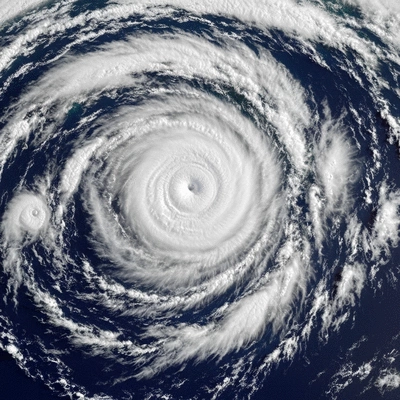
Satellite imagery is one of the most powerful tools we have for tracking storms. This technology allows meteorologists to monitor cloud formations, storm intensity, and changes in hurricane paths in real-time. It's amazing how rapidly we can analyze data from space!
With satellite images, we can gain insights into how a storm is developing, enabling quicker alerts and responses. It’s a game-changer in hurricane forecasting and is indispensable for agencies like the NHC. By understanding how to interpret this information, you can become a more informed and prepared citizen during hurricane season!
Pro Tip
Did you know? Keeping a well-stocked emergency kit can greatly enhance your preparedness for hurricanes. Include essentials such as at least one gallon of water per person per day, non-perishable food, flashlights, and a first-aid kit. Regularly check and update your kit to ensure you have everything you need when a storm approaches!
Preparing for Hurricanes: Guidance and Resources
Essential Steps to Take Before a Hurricane Hits
Preparing for a hurricane can feel daunting, but breaking it down into actionable steps makes it manageable. Here are some important measures you can take to ensure you and your loved ones are ready:
Stay Informed: Keep a close eye on updates from the National Hurricane Center (NHC) and local news outlets.
Create an Emergency Plan: Identify evacuation routes and establish a family communication plan.
Secure Your Home: Board up windows and secure outdoor items that could become projectiles.
Check Your Insurance: Review your home and flood insurance to understand your coverage.
Gather Supplies: Stock up on non-perishable food, water, and other essentials.
Remember, the time to prepare is before the storm hits! Having a solid plan can make all the difference during hurricane season.
Utilizing NHC Resources for Continuous Updates
At Hurricane News Today, we emphasize the importance of staying informed. The NHC provides numerous resources that are essential during hurricane season. I recommend regularly checking their website for the latest updates, forecasts, and advisories. Additionally, signing up for mobile alerts ensures you receive immediate notifications about changes that may impact your safety.
Visit the NHC website for real-time updates.
Sign up for mobile alerts via text or email.
Follow the NHC on social media for additional updates.
Engaging with these resources can significantly enhance your preparedness, helping you make informed decisions in a timely manner.
The Importance of Emergency Preparedness Kits
Having an emergency preparedness kit is a vital part of hurricane readiness. These kits should contain essentials to keep you safe and comfortable during power outages or evacuations. Here’s a list of items you should consider including:
At least one gallon of water per person per day for at least three days
Non-perishable food items for a minimum of three days
Flashlights and extra batteries
A first-aid kit
Medications and medical supplies
Multi-tool or can opener
Whistle to signal for help
Having these items ready can provide peace of mind and help ensure your safety during challenging times. Prepare your kit now, and you’ll be ready when the storm approaches!
Frequently Asked Questions About Hurricane Advisories
Here are some common questions to help you better understand hurricane advisories and preparedness:
What is the difference between a hurricane watch and a hurricane warning? A hurricane watch means hurricane conditions are possible within 48 hours, while a hurricane warning means conditions are expected within 36 hours, requiring immediate action.
How often does the National Hurricane Center (NHC) issue updates? Standard updates are issued every 6 hours. When a storm is near landfall, updates are issued every 3 hours.
What role does NOAA play in hurricane forecasting? NOAA provides essential data through research, satellite imagery, and radar, supporting the NHC in improving forecasts and educating the public about hurricane risks.
What are the essential items for a hurricane emergency kit? A kit should include at least one gallon of water per person per day for three days, non-perishable food, flashlights, batteries, a first-aid kit, medications, and a multi-tool.
Why is satellite imagery important for tracking storms? Satellite imagery allows meteorologists to monitor cloud formations, storm intensity, and changes in hurricane paths in real-time, enabling quicker alerts and more accurate forecasts.
Stay Informed: Conclusion and Next Steps
The Importance of Staying Updated During Hurricane Season
As we continue through hurricane season, it's crucial to maintain continuous awareness of current advisories. Staying updated can significantly affect your preparedness and response to any impending storms.
Remember, after reading about the importance of hurricane advisories, I encourage you to make this a priority. You can find comprehensive safety information from trusted sources like the National Weather Service. Check back often for updates, as conditions can change rapidly!
Engage with Local Communities for Real-Time Information
Don’t forget to tap into your local community resources for real-time information. Follow local news outlets and engage with community groups to stay informed. They often provide updates tailored specifically to your area, which can be invaluable during hurricane events!
If you have any questions or need assistance, feel free to reach out here at Hurricane News Today. We’re all in this together, and staying informed is our best defense against the storms ahead!
Recap of Key Points
Here is a quick recap of the important points discussed in the article:
Understand Hurricane Terminology: Familiarize yourself with terms like hurricane watch, warning, and storm surge watch to make informed decisions.
Stay Updated: Regularly check the National Hurricane Center (NHC) for timely updates, especially during the storm.
Create an Emergency Plan: Identify evacuation routes and assemble a communication plan for your family.
Gather Supplies: Stock your emergency kit with essentials such as food, water, and medical supplies.
Utilize Real-Time Dashboards: Access live hurricane advisory dashboards for the latest storm information and updates.
Your go-to resource for live updates, breaking news, and comprehensive analysis of hurricanes worldwide. We help communities stay informed and prepared with our real-time alerts and in-depth safety resources.
Trusted by individuals and emergency responders, our mission is to provide timely and accurate hurricane information backed by seasoned meteorologists and cutting-edge storm tracking technology.