Alerts: General Information
Announcements informing you about the current status of a hurricane. Keep informed, stay updated.
Get Nolan Carter's live hurricane updates and expert forecasts delivered directly to your inbox.
Posted on: 2026-01-25
By: Nolan Carter
In a world where storms are increasingly unpredictable, understanding hurricane alerts can truly be a lifesaver. By grasping the nuances of these warnings, you empower yourself and your community to take proactive steps toward safety. As you read on, consider how these insights could enhance your preparedness during hurricane season.
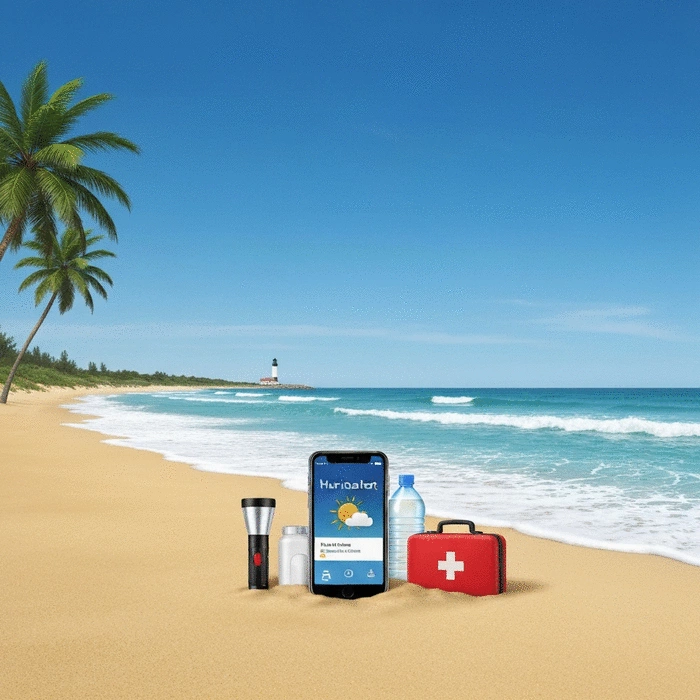
This visual illustrates the hierarchy and urgency of hurricane alerts, from informational announcements to critical warnings, informing you about potential storm threats.
Announcements informing you about the current status of a hurricane. Keep informed, stay updated.
Conditions are favorable for hurricane development or tropical storm conditions within 48 hours. Time to review your plan.
A hurricane or tropical storm is expected to make landfall within 36 hours. Act immediately.
In our ever-changing weather landscape, keeping track of hurricane alerts is crucial, especially for those living in coastal areas. These alerts are designed to inform the public about potential storm threats, enabling individuals and communities to take necessary precautions. At Hurricane News Today, we strive to provide you with the most accurate and timely information, empowering you to stay informed and safe.
Whether you're a long-time resident or new to the coast, understanding these alerts is essential. So, let's break down what these alerts mean and why paying attention to them is a matter of safety!
Hurricane alerts come in various forms, primarily warnings and advisories, that communicate the severity of a threat. They are issued to ensure that individuals have enough time to prepare, evacuate if necessary, and stay safe. These alerts can save lives and minimize property damage, making them an essential part of hurricane preparedness.
When you hear these alerts, don’t take them lightly! They can mean the difference between safety and danger, so always stay tuned to reliable sources.
Understanding the specific terms used in hurricane alerts can greatly enhance your ability to respond appropriately. Here’s what you need to know:
By familiarizing yourself with these definitions, you’ll be better prepared to act when alerts are issued. Remember, timely responses can mitigate risks significantly!
The National Hurricane Center (NHC) plays a pivotal role in tracking and issuing hurricane alerts. This organization uses advanced technology and decades of meteorological expertise to predict storm paths and intensities. They are the go-to source for accurate information, providing updates that are crucial for your safety.
Here are some key functions of the NHC that highlight their significance:
By following updates from the NHC, you can stay one step ahead of hurricanes and make informed decisions about your preparedness plans. It’s this kind of knowledge that equips you to face the storm with confidence!
Did you know? Keeping a battery-powered weather radio can be a lifesaver during hurricane season. It allows you to receive real-time updates and alerts even when the power goes out, ensuring you stay informed about the storm's progress and any necessary safety measures.
As we navigate the often unpredictable nature of hurricane season, personal preparedness becomes vital. It’s not just about having an emergency kit ready; it's about developing a well-thought-out response strategy tailored to your specific circumstances. The right approach can make all the difference when a storm is on the horizon.
To build an effective response strategy, consider the following steps:
Remember, taking the time to prepare now can ease anxiety later. In the heat of the moment, knowing what to do can truly save lives!
In an age where information is readily available, keeping yourself educated about hurricane preparedness is easier than ever. At Hurricane News Today, we pride ourselves on offering comprehensive updates and resources to help you stay informed about the latest storm developments.
Here are a few valuable resources you can tap into:
Education is key to safety. Make sure to regularly check these resources to stay ahead of any potential storms!
After a hurricane, the journey to recovery can be daunting, but organizations like FEMA play a crucial role in supporting communities. Their resources can help you understand the recovery process and the assistance available for affected individuals and families.
Some of the services provided by FEMA and local government websites include:
Utilizing these resources can ease the burden during difficult times, so keep them in mind as part of your overall preparedness plan!
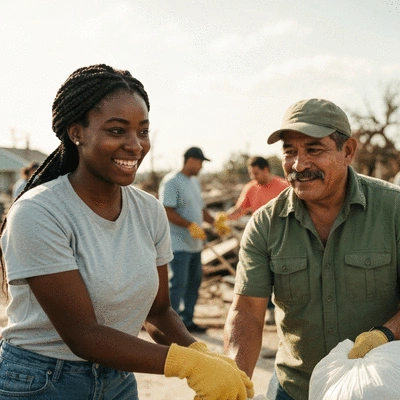
Community connections are essential when it comes to hurricane preparedness. By engaging with your local network, you not only enhance your own safety but also contribute to the resilience of your entire community. Together, we can face the challenges that storms bring.
Sharing knowledge about hurricane preparedness can have a ripple effect in your community. It helps others understand the importance of readiness and encourages proactive measures. Consider hosting a neighborhood meeting or joining local online forums to discuss preparedness tips!
Key points to share include:
Open communication fosters a culture of safety, and your insights could empower someone else to take steps they might have overlooked!
Getting involved in local emergency preparedness initiatives is a great way to make a difference. Many communities have programs that encourage residents to actively participate in their safety measures. Joining these initiatives not only enhances your knowledge but also strengthens community ties!
Here’s how you can get involved:
Being proactive is key. Each contribution counts, and when we come together, we create a safer environment for everyone!
In the wake of a hurricane, community support can be lifesaving. Connecting with disaster relief organizations enables you to both receive assistance and provide help to others in need. The partnerships formed during these times are invaluable for recovery efforts.
Consider reaching out to local or national organizations such as:
By collaborating with these organizations, you're not just preparing for a storm; you're building a community ready to support each other through thick and thin!
Here is a quick recap of the important points discussed in the article: