Stay Ahead of the Storm!

Get Nolan Carter's live hurricane updates and expert forecasts delivered directly to your inbox.

Hurricane Updates: Wind, Pressure, Landfall


Hurricane Updates: Wind, Pressure, Landfall

Posted on: 2026-02-15
By: Nolan Carter


As we navigate the unpredictable waters of hurricane season, staying informed is your best defense. With the current lull in activity, now is the perfect time to prepare—because storms can develop quickly when conditions change. Are you ready to learn how to enhance your hurricane preparedness?

What You Will Learn

  • The current state of the Atlantic hurricane season and its implications for future storm activity.
  • How El Niño influences wind shear, affecting storm formation and intensity.
  • Key metrics, such as wind speeds and barometric pressures, that predict storm behavior.
  • The importance of ongoing vigilance and preparedness during quieter hurricane periods.

Key Factors Influencing Hurricane Activity

An overview of the significant factors affecting hurricane development and intensity.

El Niño's Role

Increased Wind Shear: Disrupts storm formation.

Refined Predictions: Adapt tracking models.

Wind Speeds

Varied Speeds: Sudden changes possible.

Storm Evolution: Higher speeds, more severe.

Barometric Pressure

Lower Pressure: Indicates stronger storms.

Intensity Gauge: Trends show storm strength.

Seasonal Lull

No Active Storms: Currently calm Atlantic.

Vigilance Needed: Patterns can shift quickly.

Understanding Today’s Hurricane Landscape: Key Updates on Wind Speeds, Pressures, and Forecasts

As we dive into the hurricane season of 2026, it's important to note that currently, there are no active hurricanes in the Atlantic. This absence has significant implications for our seasonal forecasts. With the quiet waters, meteorologists like me are closely monitoring how this lull might affect future storm activity. So, let's explore the current state of hurricanes and what we can anticipate moving forward!

The Current State of Atlantic Hurricanes: An Overview

The Atlantic hurricane season has started off relatively calm this year. This tranquility raises questions about whether it will continue or if we should brace for an uptick in activity as the season progresses. It's essential to stay informed because patterns can shift quickly!

  • Monitor updates on potential storm development.
  • Understand the reasons behind shifting weather patterns.
  • Stay vigilant about emergency preparedness, even during quiet times.

While it may seem reassuring now, we must remember that the absence of storms can lead to complacency. For detailed historical data and ongoing updates, refer to the National Hurricane Center's archives. The patterns are always evolving, and preparedness is key!

El Niño's Role in Shaping Hurricane Activity in 2026

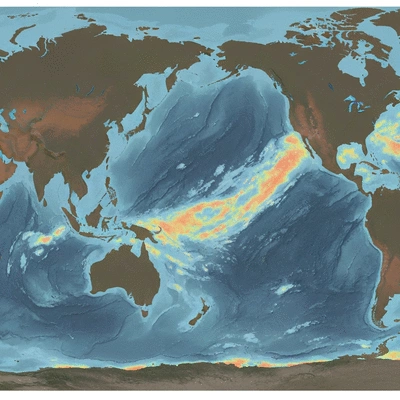
One significant factor influencing hurricane activity this year is El Niño. This weather phenomenon tends to increase wind shear, which can inhibit storm formation in the Atlantic. So, what does this mean for us? Understanding the impacts of El Niño allows us to refine our predictions and prepare accordingly!

Satellite view of El Niño weather pattern over the Pacific Ocean influencing global weather, no text, no words, no typography, clean image
  • El Niño generally leads to increased wind shear.
  • This wind shear can disrupt developing storms.
  • We must adapt our tracking models to account for these conditions.

As we analyze El Niño's effects, we must remain flexible in our strategies and forecasts. The influence of these climatic patterns is profound, and staying updated is critical! You can find comprehensive post-storm reports and analyses on NOAA's Tropical Cyclone Reports.

Critical Information on Wind Speeds and Pressures

Current Wind Speed and Pressure Metrics for Recent Storms

While we may not have active storms at the moment, it's crucial to understand wind speeds and pressure metrics from recent systems. These metrics play a vital role in predicting storm behavior when activity picks up. For instance, squall lines can develop quickly and lead to intense weather conditions.

  • Wind speeds can vary significantly; be prepared for sudden changes.
  • Pressure readings offer insight into a storm’s potential intensity.
  • Track these metrics to make informed decisions about safety.

Being aware of these metrics enables us to respond effectively, ensuring that we remain safe and prepared even in calm weather!

Understanding the Implications of Wind Speeds on Hurricane Development

Wind speeds are not just numbers on a chart—they can have real implications for hurricane development and intensity. For example, higher wind speeds can lead to more severe storms, while lower speeds may indicate weaker systems. This is a crucial aspect of hurricane tracking!

In essence, understanding wind speeds helps us predict how storms might evolve. As we monitor these changes, I urge you to remain proactive in your preparedness efforts!

Barometric Pressure and Its Influence on Storm Intensity

Barometric pressure is another essential metric that correlates with hurricane strength. Generally, lower pressure readings indicate a stronger storm. Let's break it down:

  • Lower barometric pressure = potential for stronger storms.
  • Pressure trends help us gauge storm intensity over time.
  • Monitoring these readings is crucial for timely alerts and updates.

By staying vigilant about barometric pressure, we can better prepare for what lies ahead. It’s all about making informed decisions based on reliable data!

Interactive Poll: Your Thoughts Matter!

As we continue monitoring the hurricane landscape, we want to hear from you! How do you feel about the current quiet period in the Atlantic hurricane season?

Frequently Asked Questions About Hurricane Preparedness

A1: Even during periods of low activity, conditions can change rapidly, leading to quick storm development. Being prepared ensures you're ready for sudden shifts in weather patterns.

A2: El Niño typically increases wind shear in the Atlantic, which can disrupt the formation and intensification of tropical storms and hurricanes.

A3: Higher wind speeds generally indicate more severe storms, while lower barometric pressure is a key indicator of increasing storm intensity. Monitoring these metrics helps predict how a storm will evolve.

A4: Reliable resources include NOAA Weather Radio, local news stations, social media alerts from meteorologists, and specialized storm tracking mobile apps.

A5: You can access comprehensive data and reports from previous seasons, including specific storm details and official updates, on the National Hurricane Center's archives and Tropical Cyclone Reports.

Summarizing Key Insights for Future Hurricane Preparedness

As we look toward the future, it’s vital to keep in mind the importance of staying informed about wind speeds, barometric pressures, and seasonal forecasts. Understanding these factors not only aids in tracking ongoing storms but also plays a significant role in preparing for upcoming hurricane seasons.

With a solid grasp of current conditions and trends, you can make informed decisions that ultimately protect you and your loved ones. Remember, preparation is not just about the storms that are currently brewing, but also about being ready for what lies ahead!

Engagement and Resources: Stay Updated on Hurricane Developments

At Hurricane News Today, we encourage you to take advantage of the resources available for tracking hurricane developments. Here’s a handy list of tools and practices to keep you updated, including official advisories and forecast discussions as highlighted in the NHC Updates for 2024:

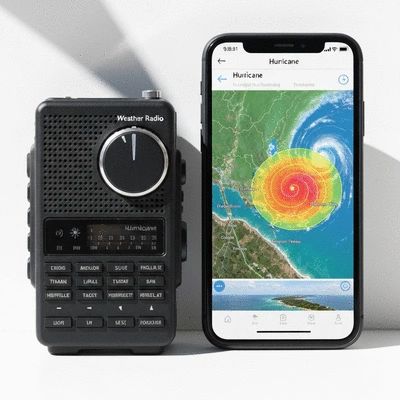
Weather radio and mobile phone displaying hurricane tracking app, no text, no words, no typography, clean image
  • NOAA Weather Radio: Provides continuous broadcasts of weather information directly from the National Weather Service.
  • Local News Stations: Tune in for live updates and expert analyses on storm paths and safety measures.
  • Social Media Alerts: Follow reliable meteorologists and weather agencies for real-time updates and interactive discussions.
  • Mobile Apps: Utilize storm tracking apps that offer alert features based on your location.

Don’t forget to subscribe to our updates at Hurricane News Today. By joining our community, you’ll receive timely alerts and essential information about future storms. Let’s work together to ensure everyone stays one step ahead of the storm!

Recap of Key Points

Here is a quick recap of the important points discussed in the article:
  • The Atlantic hurricane season has started off calm, but it's crucial to stay informed as patterns can shift quickly.
  • El Niño is influencing hurricane activity by increasing wind shear, which can inhibit storm formation.
  • Understanding wind speeds and barometric pressures is vital for predicting storm behavior and intensity.
  • Monitoring current metrics helps ensure safety and preparedness, even during quiet weather periods.
  • Utilizing reliable resources like NOAA Weather Radio and mobile apps is key to staying updated on hurricane developments.

Subscribe & Share
Cyclone Forecasting: Challenges and Innovations Cyclone Forecasting: Challenges and Innovations Did you know that advancements in technology are reshaping the way we forecast tropical cyclones? Fr
Current Hurricane Threats Today Current Hurricane Threats Today In times of hurricane threats, staying informed can be the difference between safety and disaster. A
Understanding Hurricane Tracking Tools Understanding Hurricane Tracking Tools As hurricane season approaches, understanding the tools that track these powerful storms becomes ess
Banner
Hurricane News Today

Your go-to resource for live updates, breaking news, and comprehensive analysis of hurricanes worldwide. We help communities stay informed and prepared with our real-time alerts and in-depth safety resources.

Trusted by individuals and emergency responders, our mission is to provide timely and accurate hurricane information backed by seasoned meteorologists and cutting-edge storm tracking technology.

Learn More
Recent Posts
Cyclone Forecasting: Challenges and Innovations Cyclone Forecasting: Challenges and Innovations

Did you know that advancements in technology are r

Current Hurricane Threats Today Current Hurricane Threats Today

In times of hurricane threats, staying informed ca

Understanding Hurricane Tracking Tools Understanding Hurricane Tracking Tools

As hurricane season approaches, understanding the

Hurricane Preparedness Tips