Stay Ahead of the Storm!

Get Nolan Carter's live hurricane updates and expert forecasts delivered directly to your inbox.

Tropical Cyclone Updates and Insights


Tropical Cyclone Updates and Insights

Posted on: 2026-01-10
By: Nolan Carter


With the hurricane season underway, understanding tropical cyclones becomes essential for ensuring safety and preparedness. What if staying informed could make all the difference in your response to these powerful storms?

What You Will Learn

  • Tropical cyclones form over warm ocean waters and can lead to severe weather, including heavy rainfall and flooding.
  • Real-time tracking tools and interactive maps are crucial for monitoring active storms and ensuring public safety.
  • Each tropical cyclone, like Narelle and Koji, has unique characteristics that require tailored preparedness measures.
  • Establishing an emergency plan and gathering essential supplies can significantly improve safety during a storm.

Current Tropical Cyclone Activity Snapshot

A quick overview of the active tropical cyclones, their current status, and forecasts.

Tropical Cyclone Narelle

Current Status: Strong, 110 mph winds

Location: Off the coast of Australia

Forecast: Moving westward, affecting coastal communities. Gradual intensification expected.

Category 2

Tropical Cyclone Koji

Current Status: Rapid development, substantial wind/rain.

Location: Nearing Japan

Forecast: Potential landfall within 48 hours, 90 mph winds expected.

Category 3

Tropical Cyclone 24P

Current Status: Fluctuating intensity, closely monitored.

Location: Entering warmer waters near Pacific Islands

Forecast: Expected to weaken, still poses risk to nearby regions.

Intensity Varies

Understanding Current Tropical Cyclone Activity

What Are Tropical Cyclones and Their Significance?

Tropical cyclones are powerful storm systems that form over warm ocean waters and can cause significant devastation. These storms are categorized into different types, including hurricanes and typhoons, based on their location. Understanding tropical cyclones is crucial because they greatly impact weather patterns and can lead to severe weather conditions, including heavy rainfall, strong winds, and flooding. For more detailed information on tropical cyclones and their characteristics, you can visit the National Hurricane Center (NHC) website, a primary source for hurricane information.

Tracking these storms is essential for timely warnings and preparedness measures. At Hurricane News Today, my goal is to provide you with the latest updates and forecasts, empowering you to make informed decisions during hurricane season!

  • Definition: A tropical cyclone is a rotating storm system characterized by a low-pressure center.
  • Formation: They usually form in warm ocean waters and are fueled by heat and moisture.
  • Categories: These storms are classified into categories based on their wind speeds, affecting their potential impact.
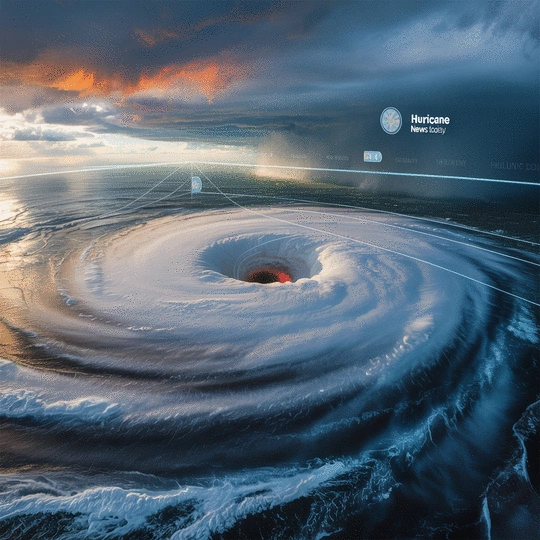
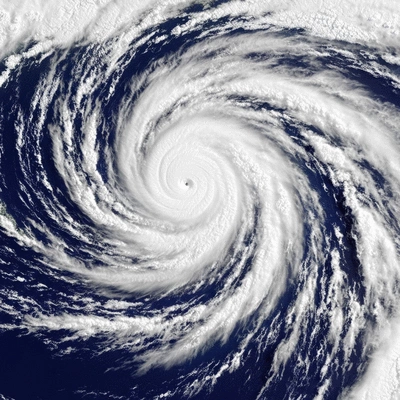
Satellite view of a large tropical cyclone over ocean

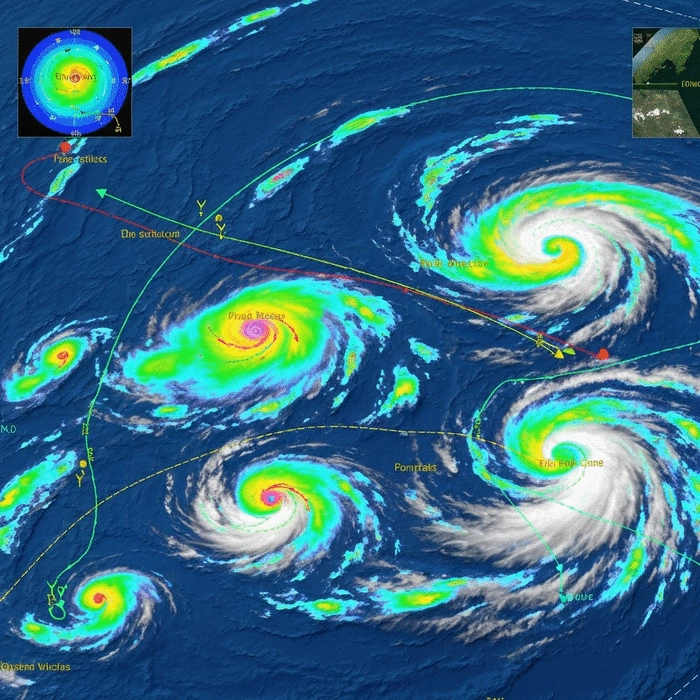
Real-Time Tracking of Tropical Cyclones

Real-time data tracking is vital for monitoring current tropical cyclone activity and ensuring public safety. As a seasoned meteorologist, I understand how crucial it is to get accurate updates as these storms evolve. By following live trackers, you can stay informed about the latest developments and adjust your plans accordingly. For historical climate data and information on past tropical cyclones, the National Centers for Environmental Information (NCEI) provides extensive resources.

With tools available through Hurricane News Today, you can easily access information on active storms, their paths, and any warnings that are in effect. Let’s work together to prioritize safety by utilizing these resources!

  • Access to real-time storm updates
  • Interactive maps showing storm tracks
  • Alerts for immediate weather changes

Active Tropical Cyclones: Names, Locations, and Forecasts

Tropical Cyclone Narelle: Current Status and Forecast

Tropical Cyclone Narelle is currently categorized at a strong level, with wind speeds reaching up to 110 mph. This storm is situated off the coast of Australia and has been moving westward, prompting local authorities to issue several warnings. The forecast predicts Narelle will continue on this path, affecting coastal communities along its route.

Staying informed about Narelle’s status is essential, as it may lead to hazardous conditions in several areas. You can follow real-time updates on its expected trajectory through our platform!

Tropical Cyclone Koji: Key Updates and Projections

Tropical Cyclone Koji is making headlines with its rapid development. As of now, it has reached a category 3 status, with substantial wind speeds and rainfall expected. Current projections suggest that Koji will move towards the east coast of Japan, where the potential for significant flooding and impacts on local infrastructure is a concern.

The community is encouraged to prepare for possible evacuation orders, and you can find up-to-date forecasts and safety tips on Hurricane News Today.

Tropical Cyclone 24P: Historical Context and Current Insights

Tropical Cyclone 24P has a history of fluctuating intensity, and its current activity is no exception. Looking back at its past tracks helps us understand its behavior and potential impacts on the Pacific Islands. The forecast indicates that 24P will likely weaken as it moves into cooler waters, but it still poses a risk to nearby regions.

By analyzing both past and present data, we gain valuable insights into how to prepare for future storm activities. Check out our resources for more detailed forecasts!

Pro Tip

Did you know? Keeping a personal storm journal can help you track changes in storm patterns and your local weather conditions over time. This can enhance your understanding of tropical cyclones and improve your preparedness for future events. Documenting your experiences during storm events can also provide valuable insights for others in your community!

Frequently Asked Questions About Tropical Cyclones

What is a tropical cyclone?
A tropical cyclone is a rotating storm system characterized by a low-pressure center, strong winds, and heavy rainfall, primarily forming over warm ocean waters. These storms are known as hurricanes in the Atlantic and Northeast Pacific, typhoons in the Northwest Pacific, and cyclones in the South Pacific and Indian Ocean.
How do tropical cyclones form?
Tropical cyclones form over warm ocean waters (typically 80°F or 26.5°C or warmer) with sufficient moisture and low wind shear. The warm, moist air rises, creating an area of low pressure. As more air rushes in to fill this void, it warms and rises, creating a continuous cycle. The Earth's rotation (Coriolis effect) causes the air to spiral, forming the characteristic cyclonic rotation.
Why is real-time tracking of tropical cyclones important?
Real-time tracking is crucial for public safety and preparedness. It allows meteorologists to issue timely warnings, predict storm paths, and assess potential impacts. This information enables communities to prepare for severe weather, initiate evacuations if necessary, and deploy emergency resources effectively. Staying updated with real-time information from sources like the National Weather Service (NWS) ensures you receive the most current and accurate forecasts.
What are the typical impacts of a tropical cyclone?
Tropical cyclones can cause a range of severe impacts, including torrential rainfall leading to widespread flooding, destructive winds that can damage infrastructure, storm surges causing coastal inundation, and tornadoes. The severity of these impacts depends on the storm's intensity, size, speed, and the geography of the affected area.
What should I do to prepare for a tropical cyclone?
Preparedness is key to minimizing risks. Essential steps include creating an emergency plan with your family, assembling an emergency kit (including food, water, first-aid, medications, and important documents), securing your home, and staying informed through official weather alerts. Knowing your evacuation route and having a communication plan are also vital.

Summarizing Current Tropical Cyclone Activity and Its Implications

As we navigate through the current hurricane season, it's essential to stay updated on the active storms that are shaping our weather patterns. This week, we've seen notable activity from Tropical Cyclone Narelle, Tropical Cyclone Koji, and Tropical Cyclone 24P. Each of these storms exhibits unique characteristics and trajectories that require our attention.

Here's a brief overview of their current status and forecasts:

  • Tropical Cyclone Narelle: Located in the southwest Pacific, Narelle is a Category 2 cyclone with wind speeds reaching 100 mph. Forecasts indicate a gradual intensification.
  • Tropical Cyclone Koji: This storm is currently affecting the Japanese archipelago, with projections showing a potential landfall within the next 48 hours. Winds are expected to peak at 90 mph.
  • Tropical Cyclone 24P: Historically significant, 24P has shifted directions, prompting analysts to monitor its path closely as it enters warmer waters.
Emergency kit with supplies like food, water, and first-aid

Understanding these storms is crucial, as they can have significant impacts on local communities, economic activities, and overall safety. By staying informed, we can better prepare for the challenges they may bring.

Fostering Awareness and Preparedness for Future Cyclones

At Hurricane News Today, we believe that preparedness is vital during hurricane season! It’s not just about knowing the storms; it’s about being ready when they approach. I encourage you to stay informed through reliable sources, and I recommend signing up for our real-time alerts. This way, you can receive updates directly to your phone or email—helping you act swiftly in case of an emergency.

Here are a few steps to enhance your preparedness:

  • Gather essential items for an emergency kit, including food, water, and first-aid supplies.
  • Create a family communication plan detailing how to stay in touch during a storm.
  • Stay connected with local authorities to receive alerts on evacuations or shelter information.

Remember, being informed and prepared can save lives. The more proactive you are, the better equipped you'll be to handle what lies ahead!

Join the Conversation on Tropical Cyclone Preparedness

We want to hear from you! Your experiences and insights can benefit others in our community as we all navigate the challenges of hurricane season. Have you recently faced a tropical cyclone? What tips do you have for staying safe? Or perhaps you have questions about storm preparedness? Feel free to share your thoughts in the comments below!

Let’s build a supportive community focused on preparedness and resilience. Together, we can ensure that everyone is ready to face the storms ahead. Join the conversation today!

Recap of Key Points

Here is a quick recap of the important points discussed in the article:
  • Tropical cyclones are significant storm systems formed over warm ocean waters, impacting weather patterns and safety.
  • Real-time tracking and updates are crucial for monitoring active storms and ensuring public safety.
  • Preparedness involves gathering emergency supplies, creating communication plans, and staying informed through reliable sources.
  • Each active tropical cyclone has unique characteristics and trajectories that require close monitoring.
  • Community engagement and sharing experiences can enhance collective preparedness and resilience.

Subscribe & Share
Cyclone Forecasting: Challenges and Innovations Cyclone Forecasting: Challenges and Innovations Did you know that advancements in technology are reshaping the way we forecast tropical cyclones? Fr
Current Hurricane Threats Today Current Hurricane Threats Today In times of hurricane threats, staying informed can be the difference between safety and disaster. A
Understanding Hurricane Tracking Tools Understanding Hurricane Tracking Tools As hurricane season approaches, understanding the tools that track these powerful storms becomes ess
Banner
Hurricane News Today

Your go-to resource for live updates, breaking news, and comprehensive analysis of hurricanes worldwide. We help communities stay informed and prepared with our real-time alerts and in-depth safety resources.

Trusted by individuals and emergency responders, our mission is to provide timely and accurate hurricane information backed by seasoned meteorologists and cutting-edge storm tracking technology.

Learn More
Recent Posts
Cyclone Forecasting: Challenges and Innovations Cyclone Forecasting: Challenges and Innovations

Did you know that advancements in technology are r

Current Hurricane Threats Today Current Hurricane Threats Today

In times of hurricane threats, staying informed ca

Understanding Hurricane Tracking Tools Understanding Hurricane Tracking Tools

As hurricane season approaches, understanding the

Hurricane Preparedness Tips