Why Accurate Forecasting Matters
- Regional Vulnerabilities
- Enhanced Preparedness
- Effective Resource Allocation
Crucial for Caribbean safety & response.
Get Nolan Carter's live hurricane updates and expert forecasts delivered directly to your inbox.
Posted on: 2025-12-07
By: Nolan Carter
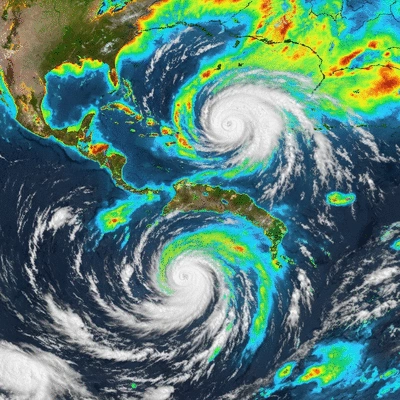
As hurricane season approaches, many Caribbean residents find themselves wondering how best to prepare for the unpredictable storms ahead. With the right information, you can stay informed and take proactive measures to protect your community and loved ones. Let's delve into some essential insights about hurricane forecasting and preparedness.
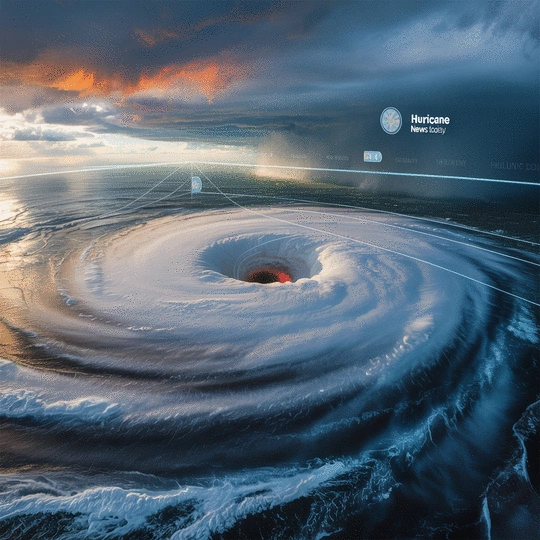
To navigate hurricane season effectively in the Caribbean, it's vital to understand the "whys" and "hows" of preparation. This visual highlights critical areas for both community and individual readiness.
Crucial for Caribbean safety & response.
Demystifying storm prediction.
Building collective resilience.
Tailoring your family's safety plan.
When we think about hurricanes, accurate forecasting is essential, especially for regions like the Caribbean, where communities are vulnerable and preparations are crucial. At Hurricane News Today, we understand that timely information can make a difference in how people respond to these powerful storms. Accurate forecasts empower individuals and communities to take necessary precautions, ultimately saving lives and minimizing property damage.
In a region where tropical storms can develop rapidly, having reliable forecasts isn’t just a luxury—it’s a necessity. The Caribbean faces unique challenges such as high population density in coastal areas and limited resources for emergency management. This makes understanding hurricane predictions vital for effective response and preparedness.
Accurate hurricane forecasting matters because it helps us prepare for the unpredictable nature of storms. Here are a few reasons why:
In my years as a meteorologist, I’ve seen firsthand how communities respond differently depending on the accuracy of forecasts. It’s vital that we all stay informed and prepared, especially as hurricane season approaches.
To navigate hurricane forecasting effectively, it's important to understand some key terms. Here are a few essential concepts:
Understanding these terms can help demystify the forecasting process. As I always say, knowledge is power, and knowing these basics will help you interpret forecasts more accurately.
The National Oceanic and Atmospheric Administration (NOAA) plays a pivotal role in hurricane forecasting. Their expertise and resources are crucial for providing timely and accurate predictions. NOAA utilizes advanced technology and research to monitor tropical storms and hurricanes, enabling them to produce reliable forecasts.
As part of their efforts, they provide public advisories, warnings, and educational resources that enhance community preparedness. The collaboration between NOAA and local agencies ensures that the information is not only accurate but also accessible to everyone. For us at Hurricane News Today, staying updated with NOAA's findings is a top priority, as it allows us to relay crucial information to our audience swiftly.
When preparing for hurricane season, consider creating a "Hurricane Preparedness Kit." This kit should include essential items such as water, non-perishable food, first-aid supplies, flashlights, and batteries. Having these items ready can save time and ensure you have what you need when a storm approaches. Remember, preparation is key to staying safe!
As hurricane season approaches, it's essential for Caribbean residents to be proactive in their preparations. Understanding your local risks and how to interpret forecast information is a vital step in ensuring the safety of your family and community. At Hurricane News Today, we believe that being informed is the first line of defense against storms!
Each Caribbean island has unique vulnerabilities when it comes to hurricanes. It’s important to familiarize yourself with your local forecast and what it means for your area. Here’s how you can assess your local risk:
By staying informed and understanding the terminology, you can better interpret forecasts and prepare accordingly. Remember, knowledge is power when facing the unpredictable nature of hurricanes!
When it comes to storm preparedness, community efforts can make a huge difference! Here are some actionable strategies for individuals and local authorities:
These strategies not only enhance individual preparedness but also foster a sense of community resilience. Together, we can face the storms ahead!
Understanding your household’s specific hurricane risk is crucial for effective preparation. Here are some techniques to evaluate your risk based on location and historical data:
By conducting a thorough risk assessment, you can tailor your preparedness efforts to meet your family's specific needs. Don’t leave it to chance—make a plan today!
A1: Accurate forecasting is crucial for the Caribbean due to its regional vulnerabilities, high population density in coastal areas, and limited resources for emergency management. Timely and reliable information helps communities prepare, evacuate if necessary, and ultimately saves lives and minimizes property damage.
A2: Accumulated Cyclone Energy (ACE) is a metric that measures the total energy produced by a tropical cyclone over its lifetime. It helps meteorologists and the public gauge the overall intensity and destructive potential of a storm season or individual cyclones.
A3: The National Oceanic and Atmospheric Administration (NOAA) is vital for hurricane forecasting in the Caribbean. They provide timely and accurate predictions, utilize advanced technology, and issue public advisories and warnings. Their collaboration with local agencies ensures information is accessible and aids community preparedness.
A4: Key community strategies include developing a comprehensive emergency plan with neighbors, regularly conducting evacuation drills, and organizing workshops to educate residents on creating emergency kits and securing homes. These efforts build collective resilience.
A5: Households can assess their risk by identifying property hazards (e.g., unstable trees, flood-prone areas), reviewing historical hurricane data for their location, and consulting local resources like Hurricane News Today for regional reports. This helps in tailoring a personalized preparedness plan.
Here is a quick recap of the important points discussed in the article: