Comparing Hurricane Forecast Models
Posted on: 2026-01-07
By: Nolan Carter
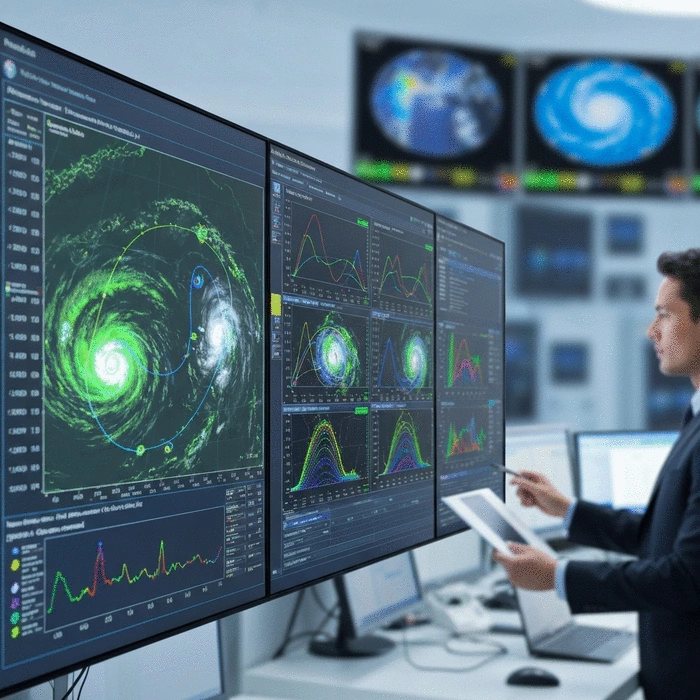
As hurricane season approaches, understanding the tools that predict these powerful storms becomes vital. The accuracy of hurricane forecasts can mean the difference between safety and catastrophe. Join us as we explore the crucial insights on hurricane forecasting!
What You Will Learn
- Timely hurricane forecasts enable efficient evacuation planning, potentially saving lives.
- Informed predictions assist emergency services in preparing resources for affected communities.
- Understanding different hurricane forecast models is essential to grasp their strengths and limitations.
- Collaborative forecasting through multi-model ensembles enhances prediction accuracy and reliability.
- Continuous model comparison helps meteorologists adapt to changing storm patterns and improve forecast reliability.
Understanding Hurricane Forecast Models: A Comparative Overview
This visual summarizes the primary hurricane forecast models, key organizations, and the benefits of multi-model ensemble approaches, highlighting their role in enhancing prediction accuracy.
Primary Forecast Models
-
•
GFS: Long-term forecasts & simulations.
-
•
ECMWF: Gold standard for medium-range accuracy.
-
•
HWRF: High-resolution, hurricane-specific.
Key Organizations
-
•
NOAA: Provides critical data & research.
-
•
NHC: Tracks hurricanes & issues warnings.
-
•
R&D: Continuous improvement in forecasting.
Benefits of Model Comparison
-
•
Identify Biases: Pinpoint model weaknesses.
-
•
Improve Reliability: Enhance forecast accuracy.
-
•
Increase Engagement: Deliver clearer information.
Multi-Model Ensembles
-
•
Reduce Errors: Mitigate individual model flaws.
-
•
Gauge Uncertainty: Provide a range of outcomes.
-
•
Aid Decisions: Support emergency response & public.
Understanding the Importance of Hurricane Forecast Models in Accurate Predictions
As someone deeply passionate about meteorology, I can’t stress enough how crucial hurricane forecast models are for public safety. These models analyze data from various sources to predict a hurricane's path, intensity, and impact, giving communities the information they need to prepare and respond effectively. Accurate predictions can mean the difference between life and death during severe weather events, making understanding these models essential for everyone, especially in hurricane-prone areas.
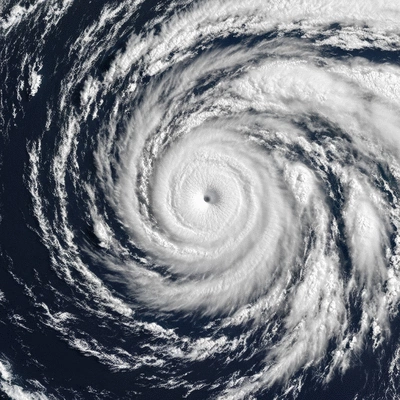
The repercussions of inaccurate forecasts can be devastating. Imagine a community unprepared for a storm due to a wrong prediction—it can lead to chaos and unnecessary risk. That's why at Hurricane News Today, we're committed to providing our audience with reliable information. Let’s dive into why accurate hurricane predictions truly matter!
Why Accurate Hurricane Predictions Matter for Public Safety
Understanding how to accurately predict hurricanes is vital for keeping individuals and communities safe. Here are a few reasons why:
- Evacuation Planning: Timely and accurate forecasts allow local authorities to issue evacuation orders when necessary, helping residents move to safer areas.
- Emergency Services Preparation: Accurate predictions assist first responders in planning resources and support for affected areas, ensuring they are ready for rescue operations.
- Public Awareness: With reliable forecasts, communities can stay informed about the potential impact of a hurricane, encouraging proactive safety measures.
In my experience, the right information can empower people to make informed decisions. It’s about more than just numbers; it’s about saving lives!
Exploring the Primary Hurricane Forecast Models Used Today
There are several key models utilized in hurricane forecasting today, each with its strengths and weaknesses. Here’s a look at the most prominent ones:
- Global Forecast System (GFS): This model provides valuable long-term forecasts and simulations.
- European Centre for Medium-Range Weather Forecasts (ECMWF): Known for its accuracy, it is often considered the gold standard in medium-range forecasting.
- Hurricane Weather Research and Forecasting (HWRF): Focused specifically on hurricanes, it offers high-resolution models tailored to storm behavior.
Utilizing these models effectively helps meteorologists like me make informed predictions about hurricane activity. By understanding the strengths and limitations of each model, we can work towards more accurate forecasting!
Key Organizations Behind Hurricane Forecasting: NOAA and NHC's Role
The National Oceanic and Atmospheric Administration (NOAA) and the National Hurricane Center (NHC) play pivotal roles in hurricane forecasting. Their expertise and resources help shape our understanding of storms:
- NOAA: As a leader in weather monitoring, NOAA provides critical data and research to inform forecasting models.
- NHC: The NHC specializes in tracking hurricanes and issuing warnings, helping to ensure public safety during hurricane events.
- Research and Development: Both organizations continuously work on improving forecasting techniques and models, pushing the boundaries of what we know.
By collaborating and sharing data, NOAA and NHC significantly enhance the accuracy of predictions, which is something I always strive to communicate through Hurricane News Today. Understanding who is behind these forecasts can help build trust and reliance on the information we share!
We Want to Hear From You!
What do you think about the effectiveness of hurricane forecast models? Share your thoughts below:
Frequently Asked Questions About Hurricane Forecasting
- Q: Why are accurate hurricane forecasts important?
- A: Accurate forecasts are crucial for public safety, enabling timely evacuation planning, assisting emergency services in preparing resources, and keeping communities informed to take proactive safety measures.
- Q: What are some primary hurricane forecast models?
- A: Key models include the Global Forecast System (GFS) for long-term forecasts, the European Centre for Medium-Range Weather Forecasts (ECMWF) for medium-range accuracy, and the Hurricane Weather Research and Forecasting (HWRF) for high-resolution, hurricane-specific data.
- Q: What role do NOAA and NHC play in hurricane forecasting?
- A: The National Oceanic and Atmospheric Administration (NOAA) provides critical data and research, while the National Hurricane Center (NHC) specializes in tracking hurricanes and issuing warnings, both continuously working to improve forecasting techniques.
- Q: How does model comparison improve forecast accuracy?
- A: Model comparison is an ongoing process that helps identify biases and weaknesses in individual models, improves forecast reliability, and enhances user engagement by delivering clearer and more accurate information.
- Q: What are multi-model ensemble approaches?
- A: Multi-model ensemble approaches combine predictions from multiple forecast models to reduce individual model errors, provide a range of outcomes to gauge uncertainty, and facilitate better decision-making for emergency responders and the public.
Summarizing Our Insights on Hurricane Forecast Models
As we delve into hurricane forecast models, it’s clear that understanding their strengths and weaknesses is crucial for accurate predictions. At Hurricane News Today, we've seen how model comparison plays a vital role in improving forecasting precision. By analyzing different models, we can better grasp their unique capabilities, which ultimately helps keep our communities safe. Let’s break down the importance of this comparison and what it means for public safety.
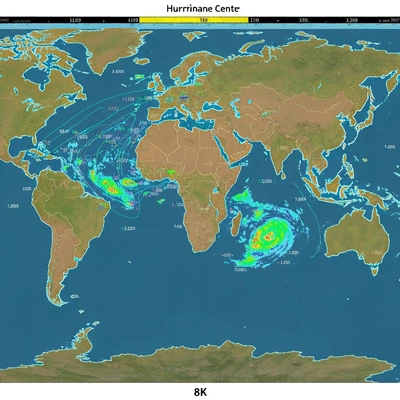
When we look at the various models out there, it’s not just about which one is the best; rather, it's about how they complement each other. Each model has its specific strengths that can enhance our understanding of storm behavior. For instance, new forecast models are constantly being developed to improve accuracy, as highlighted by recent research on busy hurricane seasons. Here are some key factors to consider when comparing these models:
- Accuracy in predicting storm tracks
- Ability to forecast hurricane intensity
- Performance under different atmospheric conditions
- Real-time data integration capabilities
By evaluating these aspects, we can improve our confidence in the forecasts provided. This is where I believe the collaborative efforts in hurricane modeling truly shine!
The Role of Model Comparison in Enhancing Prediction Accuracy
Model comparison is not a one-time effort; it's an ongoing process that evolves with each hurricane season. As a meteorologist, I’ve found that regularly reviewing and updating our understanding of these models is essential for accurate predictions. This constant adjustment helps us respond effectively to changing storm patterns.
For example, during the last hurricane season, we noticed discrepancies between the GFS and ECMWF models. By analyzing these differences, we were able to provide more tailored advice to our audience at Hurricane News Today. Here are some benefits of continuous model comparison:
- Identifying model biases and weaknesses
- Improving forecast reliability
- Enhancing user engagement with more accurate information
Ultimately, this approach empowers us to present a clearer picture of impending storms, ensuring that you receive the most reliable information possible!
Multi-Model Ensemble Approaches: Leveraging Collaborative Forecasting
One of the most effective strategies in hurricane forecasting today is the use of multi-model ensembles. This approach combines predictions from multiple forecast models to create a more comprehensive outlook on storm development. At Hurricane News Today, we frequently utilize this technique to give our readers a more rounded understanding of what to expect, aligning with the comprehensive outlooks provided in detailed tropical cyclone forecasts.
Using ensemble forecasting can significantly improve our predictive skill. Here’s how:
- Reduces individual model errors
- Offers a range of outcomes, helping to gauge uncertainty
- Facilitates better decision-making for emergency responders and the public
By leveraging these collaborative forecasting methods, we can provide you with updated and reliable insights that matter the most when storms approach.
Take Action: Stay Informed and Prepared for Hurricane Season
Now that we've discussed the intricacies of hurricane forecast models, it's time to focus on how you can stay informed and prepared. The knowledge you gain about these models can be your best ally during hurricane season. Here are some essential resources to keep in mind:
Resources for Tracking Real-Time Hurricane Forecasts
Staying connected to real-time updates is critical for your safety. At Hurricane News Today, we provide live updates on active storms and forecasts. Utilize these resources to track hurricanes effectively:
- Official NOAA and NHC websites
- Interactive storm tracking tools
- Mobile alerts for real-time updates
By accessing these resources, you can remain vigilant and prepared as storms approach.
Guiding Your Safety Decisions Through Reliable Models
When a hurricane threatens, having the right information can make all the difference. Accurate forecasts allow you to make informed decisions about evacuations, securing your home, and preparing your family. Always refer to reliable sources like Hurricane News Today to guide your actions based on the latest updates.
It’s essential to remember that no model is perfect. Therefore, understanding the limitations and strengths of each forecast model is important in making safety decisions.
Disaster Preparedness Models: Planning for Hurricane Impacts
Lastly, being prepared is just as important as staying informed. Utilizing disaster preparedness models can help you develop a comprehensive plan for your household. Consider these steps:
- Create an emergency kit with essential supplies
- Develop a family communication plan
- Stay informed about local evacuation routes
Remember, preparation is key! By taking proactive steps now, you’ll be better equipped to handle whatever comes your way during hurricane season. Stay safe and stay informed with Hurricane News Today!
Recap of Key Points
Here is a quick recap of the important points discussed in the article:
- Importance of Forecast Models: Hurricane forecast models are essential for predicting storm paths, intensity, and impacts, which are crucial for public safety.
- Evacuation Planning: Accurate forecasts enable timely evacuation orders, protecting residents from severe weather.
- Key Models: Prominent models like GFS, ECMWF, and HWRF have unique strengths that improve forecasting precision.
- Role of NOAA and NHC: These organizations provide critical data and research to enhance forecasting accuracy and public safety.
- Continuous Model Comparison: Regularly evaluating and updating models helps meteorologists improve prediction reliability and public engagement.
- Multi-Model Ensembles: Combining predictions from multiple models leads to better understanding and reduced errors in forecasts.
- Stay Informed: Utilize reliable resources like NOAA and NHC for real-time updates and make informed decisions during hurricane season.
 As we gear up for the 2025 hurricane season, understanding the timeline, storm names, and preparedne
 As the intensity of hurricane seasons rises, knowing how to stay informed becomes essential. Real-ti
 As the winds howl and the skies darken, the importance of reliable information during a hurricane ca