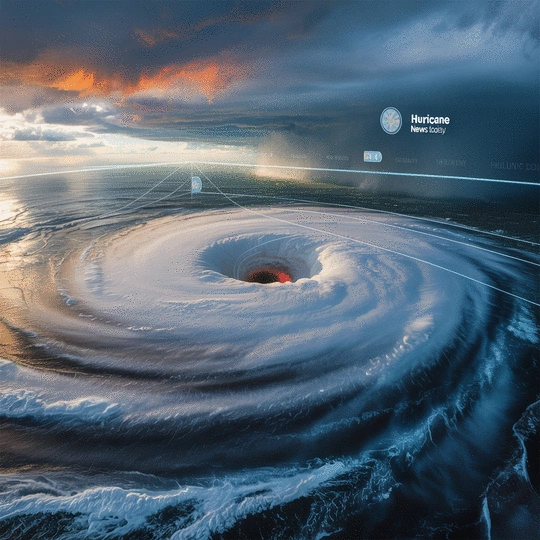
Cyclone Forecasting: Challenges and Innovations

Posted on: 2026-05-30
By: Nolan Carter
Did you know that advancements in technology are reshaping the way we forecast tropical cyclones? From satellite imaging to artificial intelligence, these innovations are crucial for improving accuracy and response times in severe weather events.
What You Will Learn
- The key challenges in predicting cyclone tracks, including data limitations and model inconsistencies.
- Factors affecting cyclone intensity forecasting, such as high winds and moisture levels, and the potential consequences of miscalculations.
- The significant impact of atmospheric conditions, including ocean temperatures and wind shear, on cyclone development.
- The role of innovative technologies and collaborative efforts in enhancing the accuracy of cyclone forecasts.
Key Challenges and Innovations in Tropical Cyclone Forecasting
Understanding the complexities of tropical cyclone forecasting is crucial for effective preparedness. Below, we highlight the main difficulties and the innovative approaches being developed to overcome them, ensuring more accurate and timely predictions.
Key Difficulties in Track Prediction
- • Limited observational data in remote areas.
- • Inconsistent models.
- • Human errors in data interpretation.
Uncertainties make timely updates challenging, requiring continuous improvement.
Barriers to Intensity Forecasting
- • Rapid intensification.
- • Underestimating storm strength.
- • Overestimating intensity.
Rapidly changing factors impact disaster preparedness, needing timely updates.
Impact of Atmospheric Conditions
- • High ocean temperatures.
- • Wind shear (disrupts structure).
- • Atmospheric moisture levels.
These variables enhance or hinder development, impacting community safety.
Innovations in Action (Case Studies)
- • Hurricane Dorian (2019): Improved satellite imagery.
- • Typhoon Hagibis (2019): Enhanced data assimilation.
- • Hurricane Laura (2020): AI-driven models.
Real-world examples show how tech and methods improve reliability.
Collaborative Forecasting Efforts
- • Joint Research Initiatives (NOAA, WMO).
- • Global Data Sharing Platforms.
- • International Training Programs.
Partnerships enhance predictive capability and global readiness.
Future Outlook: Bridging Gaps
- • Continual adaptation to new technologies.
- • Harnessing AI and advanced analytics.
- • Fostering global meteorological community.
Innovation and collaboration are key to enhancing forecast reliability.
Tropical Cyclone Forecasting: Understanding the Challenges Ahead
As a meteorologist, I can tell you that forecasting tropical cyclones is no easy task! The complexities involved require not only advanced technology but also a deep understanding of atmospheric science. In this section, we will explore some key difficulties we face when predicting cyclone tracks, intensity, and the atmospheric conditions that play a role in these phenomena. For further details on the scientific and technological advancements in this field, you can consult NOAA's research on hurricane forecasting.
Key Difficulties in Tropical Cyclone Track Prediction
One of the primary challenges in accurately predicting cyclone tracks stems from data limitations and the inherent constraints of forecasting models. For instance, the availability of high-resolution data can vary significantly across different regions. This can lead to uncertainties in tracking systems, making it hard to provide timely updates. Moreover, the complexity of the atmosphere adds another layer of difficulty, as subtle changes can drastically alter a cyclone’s path.
- Limited observational data in remote areas.
- Inconsistent models that may not adapt quickly to changing conditions.
- Human errors in data interpretation and analysis.
These challenges highlight the need for continuous improvement in our forecasting techniques. At Hurricane News Today, we are committed to bringing you the most accurate and timely information, helping you stay informed during storm events.

Barriers to Accurate Intensity Forecasting
Forecasting the intensity of a tropical cyclone is just as daunting as predicting its track. Numerous factors influence a storm's strength, and these can change rapidly. High winds, moisture levels, and surrounding atmospheric conditions all play significant roles in determining how strong a cyclone can become. If we fail to accurately assess these elements, the implications for disaster preparedness can be severe.
- Rapid intensification can occur unexpectedly, catching communities off guard.
- Underestimating storm strength can lead to inadequate resource allocation.
- Overestimating intensity can cause unnecessary panic and hinder effective response efforts.
Understanding these barriers is crucial for improving our preparedness protocols. With a focus on timely updates and detailed analysis, Hurricane News Today strives to bridge these gaps. For a comprehensive overview of global tropical cyclone forecasting strategies, refer to the WMO's Global Guide to Tropical Cyclone Forecasting.
Impact of Atmospheric Conditions on Cyclone Intensity
Atmospheric conditions play a pivotal role in cyclone intensity forecasting. For example, ocean temperatures can significantly impact a storm's intensity. Warmer waters often lead to stronger cyclones, while cooler temperatures can weaken them. Additionally, wind shear—the change in speed and direction of winds at different altitudes—can either hinder or enhance cyclone development.
- High ocean temperatures can fuel cyclones and promote rapid intensification.
- Wind shear can disrupt the structure of a cyclone, leading to weakening.
- Atmospheric moisture levels influence the storm's ability to sustain itself.
By analyzing these atmospheric variables, we can better predict cyclone intensity and ultimately enhance community preparedness. At Hurricane News Today, we continuously monitor these factors, ensuring our audience receives the most accurate information possible.
Innovative Approaches to Overcome Forecasting Challenges
Did You Know?
According to the National Oceanic and Atmospheric Administration (NOAA), the accuracy of hurricane forecasts has improved significantly over the past few decades, with the average track error decreasing by more than 50% since the 1990s. This enhancement is largely due to advancements in satellite technology and data assimilation techniques. For more on how congressional efforts support these advancements, see this report on congressional research.
The Future of Tropical Cyclone Forecasting: Bridging Gaps and Enhancing Accuracy
As a seasoned meteorologist, I’ve witnessed how innovation is reshaping our understanding of tropical cyclone forecasting. The future holds promise with new technologies that can effectively address existing challenges. By harnessing these advancements, we can improve forecasting accuracy and better prepare communities for severe weather events.
Recent progress in meteorology emphasizes the need for continual adaptation. Embracing these innovations not only enhances our predictive capability but also equips us with the tools necessary to save lives during hurricane season. Let's explore the exciting ways we can bridge the gaps in cyclone forecasting!
Frequently Asked Questions About Tropical Cyclone Forecasting
- What are the main challenges in predicting tropical cyclone tracks?
- The primary challenges include limited observational data in remote areas, inconsistencies in forecasting models, and potential human errors in data interpretation.
- Why is accurate intensity forecasting difficult?
- Accurate intensity forecasting is difficult due to rapid intensification events, the risk of underestimating or overestimating storm strength, and the quickly changing atmospheric factors like wind and moisture levels.
- How do atmospheric conditions affect cyclone intensity?
- High ocean temperatures can fuel cyclones, leading to rapid intensification. Conversely, wind shear can disrupt a cyclone's structure, weakening it, while atmospheric moisture levels are crucial for a storm's sustenance.
- What role do innovative technologies play in improving forecasts?
- Innovative technologies such as improved satellite imagery, enhanced data assimilation techniques, and AI-driven models significantly improve the accuracy of track and intensity predictions, as demonstrated in case studies like Hurricanes Dorian and Laura, and Typhoon Hagibis.
- How do collaborative efforts enhance forecasting capabilities?
- Collaboration through joint research initiatives (e.g., NOAA, WMO), global data sharing platforms, and international training programs fosters a collective understanding and improves predictive capabilities worldwide, leading to better global readiness.
Case Studies: Innovations in Action
- Hurricane Dorian (2019): Improved satellite imagery enabled precise tracking of the cyclone, providing clearer insights into its path and intensity.
- Typhoon Hagibis (2019): Enhanced data assimilation techniques allowed for better predictions that alerted communities in Japan, minimizing damage and loss.
- Hurricane Laura (2020): The integration of AI-driven models improved the accuracy of landfall predictions, which was crucial for timely evacuations.
These case studies illustrate how the combination of new technologies and traditional methods can lead to more reliable forecasts. Each advancement not only aids our understanding but also fosters a culture of preparedness that is essential for safety during hurricanes.
Collaborative Forecasting and the Role of International Collaboration
Collaboration is key to enhancing the reliability of cyclone forecasting. By fostering partnerships across different fields and countries, we can share knowledge and resources effectively. Here are some collaborative efforts that are making a difference:
- Joint Research Initiatives: Organizations like NOAA and the World Meteorological Organization (WMO) frequently collaborate on research projects to improve forecasting techniques.
- Global Data Sharing Platforms: Platforms that allow meteorologists from around the world to share data in real-time enhance our collective forecasting capabilities.
- International Training Programs: Training meteorologists worldwide ensures a uniform understanding of best practices in cyclone forecasting.
These collaborative ventures not only enhance accuracy but also cultivate a global community of meteorologists dedicated to improving cyclone readiness. At Hurricane News Today, we’re committed to promoting such initiatives and supporting efforts that lead to better community outcomes.
Encouraging Collaboration and Continued Innovation
The future of tropical cyclone forecasting relies heavily on collaboration among researchers, meteorologists, and technologists. Each of us has a role to play in tackling the ongoing challenges we face in this field. By working together, we can leverage our collective expertise to overcome obstacles and enhance our forecasting capabilities.
At Hurricane News Today, we believe in the power of innovation and collaboration. As we continue to face new challenges, let’s inspire one another to pursue new solutions that improve the safety and preparedness of our communities during hurricane season.
Final Thoughts on Enhancing Forecast Reliability
Understanding the complexities of cyclone forecasting is vital for effective preparedness and response. By embracing innovations and fostering collaboration, we can enhance the reliability of our forecasts. As we move forward, let’s not forget the importance of staying informed and connected within our meteorological community. Together, we can make a difference and ensure our communities are better equipped to face whatever the storm may bring!
Recap of Key Points
Here is a quick recap of the important points discussed in the article:
- Accurate cyclone track prediction is hindered by data limitations and model inconsistencies.
- Intense storm forecasting faces challenges due to rapid environmental changes and human errors.
- Understanding atmospheric conditions like ocean temperatures and wind shear is crucial for predicting cyclone intensity.
- Innovative technologies, such as satellite data and AI, are enhancing forecasting capabilities.
- Collaboration among meteorologists and international organizations is essential for improving cyclone readiness.
 As we gear up for the 2025 hurricane season, understanding the timeline, storm names, and preparedne
 As the intensity of hurricane seasons rises, knowing how to stay informed becomes essential. Real-ti
 As the winds howl and the skies darken, the importance of reliable information during a hurricane ca