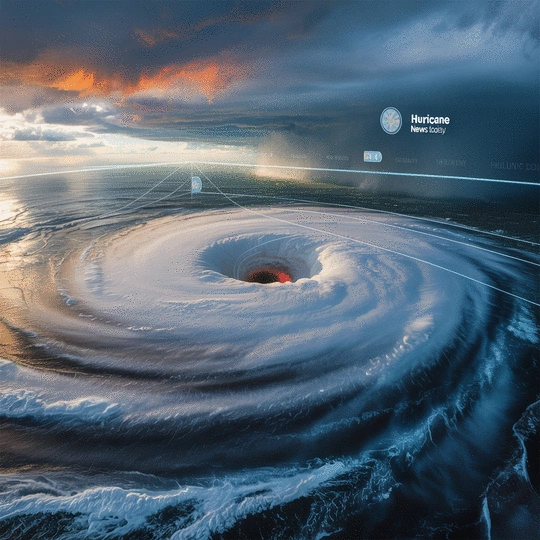
As the 2025 hurricane season approaches, being prepared is no longer just an option—it’s a necessity. With predictions indicating increased storm activity, understanding the factors at play can empower you to take proactive measures.
What You Will Learn
Increased Hurricane Activity: Expect more storms this season due to elevated sea surface temperatures and neutral weather patterns.
Community Risks: Coastal communities should be aware of the heightened risks associated with storm surges and property damage.
Preparedness is Key: Having an emergency plan and supplies ready can make all the difference when a storm approaches.
Understanding Storm Categories: Familiarity with the Saffir-Simpson scale aids in assessing potential hurricane damage.
Stay Informed: Follow updates from the National Hurricane Center for timely alerts and forecasts.
2025 Gulf of Mexico Hurricane Season Outlook: Key Factors & Preparedness
This visual summarizes the critical influencing factors, historical storm data, and essential preparedness steps for the anticipated 2025 hurricane season in the Gulf of Mexico.
Key Influencing Factors
El Niño/La Niña: Neutral patterns favor more storms.
Increased Activity: Elevated SSTs & neutral patterns suggest more storms.
Community Risks: Be aware of storm surge and property damage.
Preparedness: Essential for mitigating potential impact.
Public Safety Guidelines
Emergency Kit: Water, food, meds, documents.
Comm. Plan: Family contacts, evacuation routes.
Stay Informed: Follow NHC and local alerts.
Understanding the 2025 Gulf of Mexico Hurricane Season: Insights and Predictions
Overview of the 2025 Hurricane Forecast for the Gulf of Mexico
As we look ahead to the 2025 hurricane season, the Gulf of Mexico is expected to see increased activity. Factors such as atmospheric conditions and oceanic trends play a crucial role in shaping the storm season each year. In 2025, we anticipate a unique combination of climatic influences that could lead to a busy season.
It's essential to stay tuned to reliable forecasts from platforms like Hurricane News Today, where we strive to provide you with timely updates. Understanding these predictions allows communities to prepare adequately and stay safe from potential storms! You can find detailed historical storm data and forecasting insights from reputable sources like the Colorado State University Tropical Meteorology Project.
Key Influencing Factors: El Niño, Sea Surface Temperatures, and Hurricane Intensity
The interplay of various climatic factors can significantly impact hurricane activity. In 2025, we expect to see neutral El Niño/La Niña patterns, which generally lead to increased cyclone activity. Along with this, warm Atlantic sea surface temperatures (SSTs) are likely to contribute to elevated hurricane activity forecasts.
El Niño/La Niña Patterns: Neutral patterns typically favor more storms.
Warm Atlantic SSTs: Increased warmth can fuel storm intensity.
Atmospheric Conditions: Varying wind patterns can also affect storm development.
By keeping an eye on these factors, we can better predict how the season will unfold. Being informed is your first step toward safety!
The Role of the National Hurricane Center in Monitoring Storm Activity
The National Hurricane Center (NHC) is pivotal in monitoring storm activity during the hurricane season. Their expertise ensures that we receive timely forecasts and crucial updates as storms develop. They utilize advanced technology and satellite imagery to track storms and assess their potential impacts.
In collaboration with the National Oceanic and Atmospheric Administration (NOAA), the NHC provides critical information that helps individuals and communities prepare effectively. Through resources like Hurricane News Today, you can access up-to-date alerts and safety preparations. For comprehensive technical reports and data, refer to the NHC's Tropical Cyclone Reports.
Understanding Hurricane Categories: The Saffir-Simpson Scale Explained
The Saffir-Simpson scale is a vital tool in assessing the potential damage hurricanes can cause based on their wind speeds. This scale ranges from Category 1 (minimal damage) to Category 5 (catastrophic damage). Understanding this scale can help you gauge the severity of an approaching storm.
Category 5: Winds 157 mph or greater, catastrophic damage.
By familiarizing yourself with the Saffir-Simpson scale, you can better understand the risks associated with different hurricanes. Knowledge is power, especially when a storm is looming!
Pro Tip
Did you know that having a detailed hurricane preparedness plan can significantly reduce anxiety and increase safety during storms? Make sure to include evacuation routes, a list of emergency contacts, and a checklist of essential supplies in your plan. Regularly review and practice this plan with your family to ensure everyone knows their role when a hurricane approaches.
Frequently Asked Questions About the 2025 Hurricane Season
Q1: Why is increased hurricane activity predicted for the 2025 season?
A1: Increased activity is predicted due to a combination of neutral El Niño/La Niña patterns and warmer than average Atlantic sea surface temperatures (SSTs), both of which are conducive to hurricane formation and intensification.
Q2: What are the main risks for coastal communities during hurricane season?
A2: Coastal communities face heightened risks primarily from storm surges, which can cause significant flooding, and property damage resulting from high winds and heavy rainfall.
Q3: What is the Saffir-Simpson scale and how does it help in hurricane preparedness?
A3: The Saffir-Simpson Hurricane Wind Scale classifies hurricanes into five categories based on their sustained wind speeds. Understanding this scale helps residents and authorities assess the potential for damage (from minimal for Category 1 to catastrophic for Category 5) and plan appropriate responses.
Q4: What should be included in an emergency hurricane kit?
A4: An essential emergency kit should include water, non-perishable food, necessary medications, important documents (such as identification and insurance policies), a first-aid kit, a battery-powered radio, and flashlights with extra batteries.
Q5: How can I stay informed about hurricane developments?
A5: To stay informed, it is crucial to follow updates from the National Hurricane Center (NHC) and local news outlets. Subscribing to alerts from services like "Hurricane News Today" and engaging with local emergency services can also provide timely and critical information.
Conclusions: Preparing for the 2025 Hurricane Season in the Gulf of Mexico
Key Takeaways from the 2025 Hurricane Predictions
As we look ahead to the 2025 hurricane season, there are several key insights that residents and businesses in the Gulf region should consider. With predictions indicating a potentially active season, understanding the risks and preparing effectively is crucial. Here are the primary takeaways:
Increased Hurricane Activity: Expect more storms this season due to elevated sea surface temperatures and neutral weather patterns.
Community Risks: Coastal communities should be aware of the heightened risks associated with storm surges and property damage.
Preparedness is Key: Having an emergency plan and supplies ready can make all the difference when a storm approaches.
By focusing on these aspects, you can better navigate the challenges posed by hurricane season. Remember, staying informed and prepared is your best defense!
Emergency Management and Public Safety Guidelines for Residents
It's essential to have clear strategies in place for emergency management and public safety during hurricane season. Here are some vital guidelines to follow:
Create an Emergency Kit: Include water, non-perishable food, medications, and essential documents.
Develop a Family Communication Plan: Ensure everyone knows how to reach each other and where to go in case of evacuation.
Stay Informed: Follow updates from the National Hurricane Center and local news outlets for timely alerts and forecasts.
Involving your family in these preparations can help reduce anxiety and ensure everyone knows what to do when a storm approaches. After all, preparation is not just about supplies; it's about peace of mind!
Call to Action: Stay Informed and Prepared for Hurricane Season
As the 2025 hurricane season approaches, I encourage everyone to take proactive steps to stay informed and prepared. Here’s how:
Engage with Local Emergency Services: Know your local emergency contacts and resources available during a storm.
Subscribe to Hurricane News Today: Get real-time updates and forecasts tailored to your location.
Prepare Your Property: Secure outdoor items and ensure your home is reinforced against wind and water damage.
Let’s work together to keep our communities safe! If you have any questions about hurricane preparedness or forecasts, feel free to reach out—I'm here to help guide you through this season. Stay safe and stay informed!
Recap of Key Points
Here is a quick recap of the important points discussed in the article:
Increased Hurricane Activity: Expect more storms this season due to elevated sea surface temperatures and neutral weather patterns.
Community Risks: Coastal communities should be aware of the heightened risks associated with storm surges and property damage.
Preparedness is Key: Having an emergency plan and supplies ready can make all the difference when a storm approaches.
Emergency Kit Essentials: Include water, non-perishable food, medications, and essential documents in your emergency kit.
Stay Informed: Follow updates from the National Hurricane Center and local news outlets for timely alerts and forecasts.
Your go-to resource for live updates, breaking news, and comprehensive analysis of hurricanes worldwide. We help communities stay informed and prepared with our real-time alerts and in-depth safety resources.
Trusted by individuals and emergency responders, our mission is to provide timely and accurate hurricane information backed by seasoned meteorologists and cutting-edge storm tracking technology.