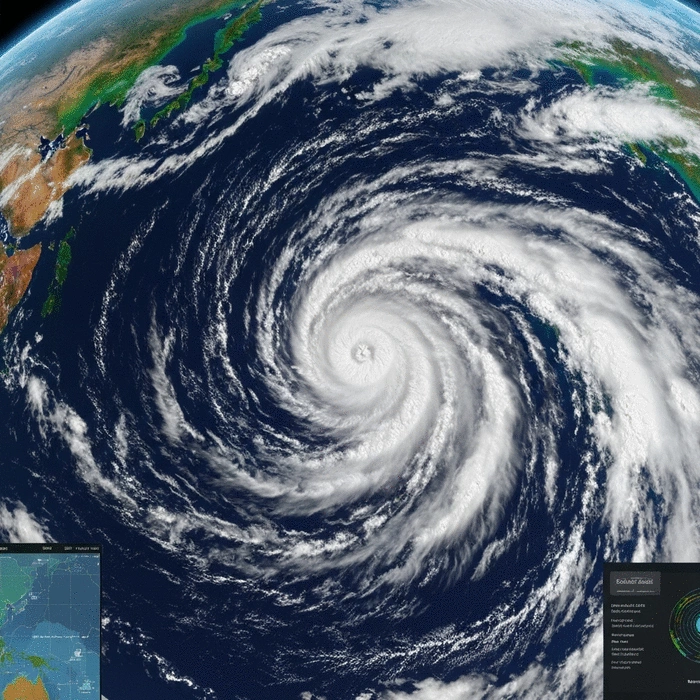
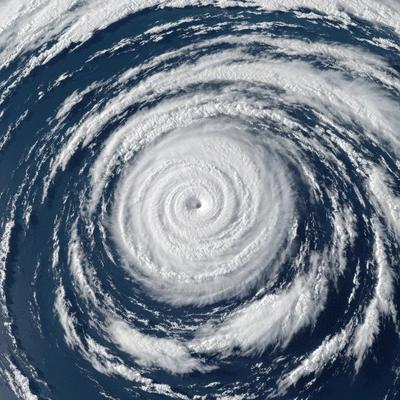
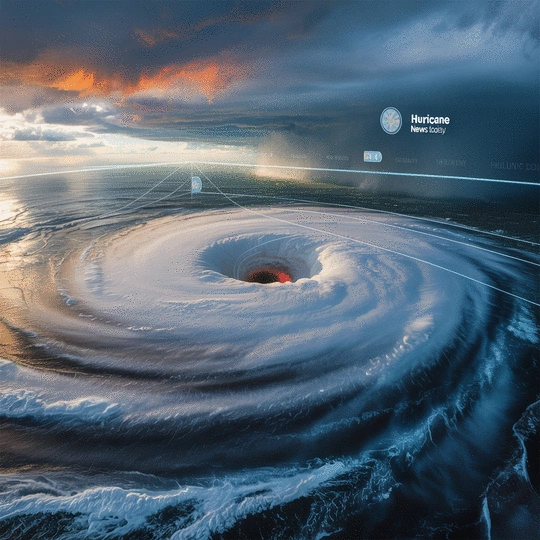
As we navigate the complexities of hurricane activity, understanding the evolving trends is essential for safety and preparedness. The insights discussed here highlight the critical influences driving hurricane behavior today.
What You Will Learn
Rising sea surface temperatures (SST) significantly increase hurricane intensity, making storms stronger and more destructive.
Natural phenomena like El Niño and La Niña greatly influence hurricane activity, with El Niño typically suppressing storms and La Niña increasing their formation.
The National Hurricane Center (NHC) is crucial for providing real-time data and forecasts that help communities prepare for hurricanes.
To enhance preparedness, communities should develop emergency plans, assemble supply kits, and stay informed about local weather alerts.
Global Hurricane Activity: Key Trends and Influences
An overview of the key factors influencing global hurricane activity patterns and intensity.
Climate Change & Hurricane Intensity
Rising Sea Surface Temperatures (SST) act as fuel, enhancing storm strength and longevity.
Higher SST correlates with increased wind speeds.
More intense storms lead to greater rainfall & flooding.
New areas threatened by hurricane formation.
+1°C SST = Stronger Storms
Natural Phenomena Influencing Activity
El Niño and La Niña significantly shape hurricane activity by affecting wind shear and ocean temperatures.
El Niño
Suppresses Atlantic hurricane activity
La Niña
Increases hurricane formation
Sea level rise contributes to storm impacts.
Natural Cycles = Predictable Shifts
Understanding Global Hurricane Activity: Key Trends and Influences
As a seasoned meteorologist, I've seen firsthand how global hurricane activity has evolved over the years. Understanding these trends is crucial for communities, especially as we face increasing storm intensity attributed to climate change. Let’s dive into the key factors influencing hurricane patterns today!
Climate change isn’t just a buzzword; it’s a reality that significantly affects hurricane behavior. Rising sea surface temperatures (SST) act like fuel for hurricanes, enhancing their strength and longevity. For every degree Celsius increase, we see storms becoming stronger and more devastating. It's vital to grasp how these changes impact our weather and safety.
The Impact of Climate Change on Hurricane Intensity
Climate change has led to a measurable increase in hurricane intensity. The connection between higher SST and stronger storms is well-documented. As the ocean warms, it provides the energy necessary for storms to intensify, making them more hazardous to coastal communities. Think of it as hurricanes having a "power-up" due to warmer waters.
Higher SST correlates with increased wind speeds in hurricanes.
More intense storms lead to greater rainfall, resulting in flooding.
Hurricanes are likely to form in new areas, threatening regions not previously affected.
As we've seen recently, the implications are severe. Communities must adapt and prepare for these changes, ensuring they understand the risks posed by stronger hurricanes.
Factors Affecting Hurricane Activity Patterns
Natural phenomena like El Niño and La Niña play a vital role in shaping hurricane activity. These patterns influence wind shear, ocean temperatures, and atmospheric conditions, all of which are crucial in determining the frequency and intensity of tropical cyclones. Understanding these influences helps us predict when and where storms may strike. For detailed information on tropical cyclone climatology, you can refer to resources from NOAA.
El Niño: Typically suppresses hurricane activity in the Atlantic.
La Niña: Often leads to an increase in hurricane formation.
Sea level rise contributes to more significant storm impacts on coastal areas.
By recognizing these factors, we can better prepare for future hurricane seasons and protect our communities more effectively.
Role of the National Hurricane Center in Forecasting
The National Hurricane Center (NHC) plays an essential role in hurricane forecasting and monitoring. As part of NOAA, the NHC provides critical data that guides public safety efforts. They use advanced technology to track storms and issue timely alerts, which are vital for communities at risk.
Real-time data from the NHC helps us make informed decisions during hurricane season. By staying connected to their updates, we can ensure our families and communities are prepared for the unexpected. Remember, knowledge is power!
Current Hurricane Forecast Trends: Insights and Projections
As we look to the future, understanding current hurricane forecast trends is essential for preparation. Each year brings its own set of predictions, and 2026 is no exception. Let’s explore what experts are saying about upcoming hurricane seasons!
Interactive Poll: Your Thoughts on Hurricane Preparedness
As we navigate the complexities of hurricane season, we want to hear from you! How prepared do you feel for the upcoming hurricane season? Let us know your thoughts:
Frequently Asked Questions About Hurricane Activity
How does climate change influence hurricane intensity?
Climate change contributes to rising sea surface temperatures (SST), which act as fuel for hurricanes. Warmer waters provide more energy, leading to increased wind speeds and overall stronger, more destructive storms.
What roles do El Niño and La Niña play in hurricane activity?
El Niño typically suppresses hurricane activity in the Atlantic basin by increasing wind shear, while La Niña often leads to an increase in hurricane formation due to more favorable atmospheric conditions.
Why is the National Hurricane Center (NHC) important?
The NHC provides crucial real-time data, forecasts, and warnings that are vital for public safety and community preparedness. Their accurate tracking and timely alerts help communities make informed decisions before, during, and after a hurricane.
What can communities do to prepare for future hurricane seasons?
Communities should develop emergency plans, assemble supply kits, stay informed about local weather alerts from trusted sources like the National Weather Service, and participate in preparedness programs. These measures enhance resilience and mitigate risks.
Are hurricanes forming in new areas due to climate change?
Yes, increased sea surface temperatures can expand the geographical areas where hurricanes can form and sustain their strength, potentially threatening regions not traditionally impacted by these storms.
Summary of Global Hurricane Activity and Future Outlook
As we delve into the world of hurricanes, it's essential to recap the main points discussed. Understanding hurricane trends is crucial, especially as we witness the profound impact of climate change on these storms. Rising sea temperatures and fluctuating weather patterns shape our forecasts and preparedness strategies. In this increasingly unpredictable landscape, the insights we've gathered will serve as a foundation for informed action.
Climate change is not merely a backdrop; it actively influences the frequency and intensity of hurricanes. With this in mind, it becomes clear that staying informed is not just advisable—it's necessary for safety and resilience.
Taking Action: Preparing for Future Hurricane Seasons
Now more than ever, it’s vital for coastal residents and communities to prepare for future hurricane seasons. Staying informed through reliable forecasts can significantly mitigate risks. Here are some practical steps to consider:
Assemble an emergency kit with essential supplies.
Stay updated on local weather alerts and forecasts from trusted sources.
Develop a family communication plan in case of evacuation.
Participate in community preparedness programs.
By taking these proactive measures, we can strengthen community resilience against hurricanes. Remember, preparedness today can make a world of difference tomorrow!
Stay Updated: Resources for Ongoing Monitoring
To effectively monitor hurricane activity, access to reliable resources is essential. Here’s a list of platforms where you can find live updates and forecasts:
Staying informed is key! As we know from experience at Hurricane News Today, timely information saves lives and strengthens community response.
Research and Data Analysis in Hurricane Prediction
Ongoing research and data analysis play a pivotal role in improving hurricane forecasting accuracy. Organizations like the Climate Prediction Center are at the forefront of these efforts. Their data not only helps refine prediction models but also contributes to our understanding of long-term trends. Here are some aspects of their work:
Collecting and analyzing historical data on hurricane activity.
Developing advanced forecasting models that incorporate climate variability.
Disseminating findings to enhance public awareness and preparedness.
By supporting this research, we equip ourselves with better tools to anticipate and respond to hurricane threats. At Hurricane News Today, we're committed to sharing these insights with you, ensuring that you have the knowledge needed to navigate the challenges posed by hurricanes.
Recap of Key Points
Here is a quick recap of the important points discussed in the article:
Climate change is significantly increasing hurricane intensity due to rising sea surface temperatures.
Natural phenomena like El Niño and La Niña affect hurricane patterns, influencing their frequency and strength.
The National Hurricane Center provides crucial forecasts and updates that are essential for community preparedness.
Staying informed and prepared through reliable resources is vital for safety during hurricane seasons.
Assembling an emergency kit and developing a family communication plan can greatly enhance community resilience.
Your go-to resource for live updates, breaking news, and comprehensive analysis of hurricanes worldwide. We help communities stay informed and prepared with our real-time alerts and in-depth safety resources.
Trusted by individuals and emergency responders, our mission is to provide timely and accurate hurricane information backed by seasoned meteorologists and cutting-edge storm tracking technology.