Key Forecasting Methods
Dynamic Models
Statistical Models
Ensemble Forecasting
Get Nolan Carter's live hurricane updates and expert forecasts delivered directly to your inbox.
Posted on: 2026-04-27
By: Nolan Carter
As hurricane season approaches, understanding how landfall probability forecasting works can be a matter of safety and preparedness. With advanced data analysis and modeling, we can make informed decisions to protect ourselves and our communities. Let’s explore the key insights you’ll gain from this vital topic!
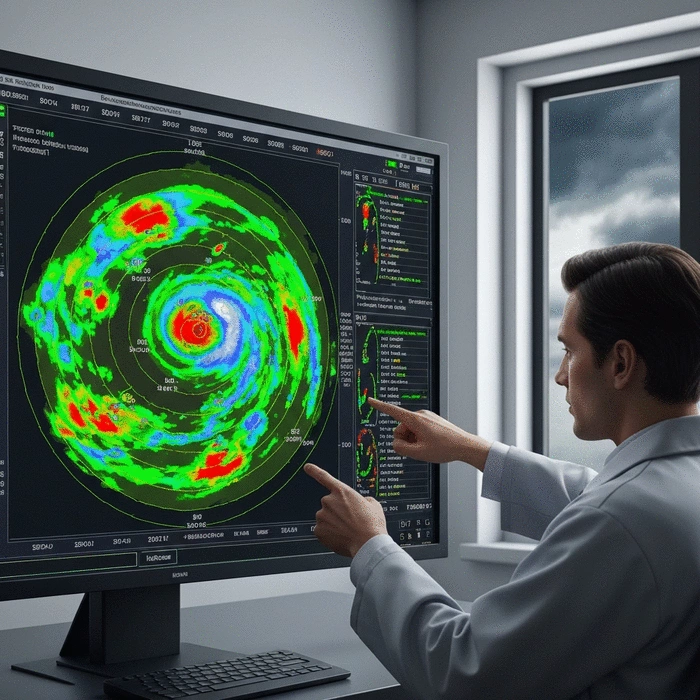
Understanding hurricane forecasting involves various methods and an eye toward future advancements. Below is a visual representation of these key aspects.
When we talk about hurricane landfall probability forecasting, we're diving into a crucial element of meteorology that helps us understand where and when a storm might make landfall. This process involves using complex models and data to predict the likelihood of a hurricane hitting a specific area. It’s not just about guessing; it's about analyzing data to make educated forecasts that can save lives and property.
For us at Hurricane News Today, understanding landfall probability is key to our mission. The more we know, the better we can inform our communities. By breaking down these forecasts, we empower individuals to prepare effectively for potential storms.
Hurricane landfall probability forecasting refers to the methods and models used to estimate the chances of a hurricane making landfall in a given area. This involves assessing various factors such as wind patterns, sea surface temperatures, and atmospheric conditions. As a seasoned meteorologist, I often see how these forecasts evolve as new data comes in, making them more reliable as the storm approaches.
Each of these methods contributes to a more comprehensive understanding of hurricanes, allowing us to relay crucial information to our audience as storms develop.
Accurate hurricane landfall forecasts are essential for effective emergency planning and response. When communities are equipped with reliable forecasts, they can make informed decisions about evacuations, resource allocation, and safety measures. This is particularly vital for regions that frequently experience hurricanes, as preparation can significantly reduce the impact of a storm.
At Hurricane News Today, I believe that having access to timely information can be the difference between safety and disaster. Understanding the probability of a hurricane’s landfall allows individuals and emergency services to plan strategically.
Several key concepts in meteorology are integral to understanding hurricane landfall probabilities. These include:
These concepts not only enhance our forecasts but also help communities prepare adequately for the storms. By grasping these foundational ideas, we can better interpret the information provided by forecasting models.
In the next section, we will dive deeper into the specific forecasting methods and models that meteorologists rely on to provide accurate hurricane predictions. With various tools at our disposal, understanding how each model works can truly enhance our preparedness strategies. For example, the National Weather Service provides detailed technical reports on hurricane forecasting, including the use of various models.
Did you know? Monitoring the National Hurricane Center and NOAA updates can significantly improve your preparedness for hurricanes? Regularly checking these sources ensures you have access to the latest forecasts and emergency instructions, allowing you to make timely decisions for your safety and that of your loved ones.
It is the process of using complex models and data to estimate the chances of a hurricane making landfall in a specific area, helping communities prepare for potential storms.
The main methods include Dynamic Models (based on physics and atmospheric conditions), Statistical Models (using historical data), and Ensemble Forecasting (running multiple simulations for a range of outcomes).
Accurate forecasts are crucial for effective emergency planning, allowing communities to make informed decisions about evacuations, resource allocation, and safety measures, thereby reducing a storm's impact.
Key concepts include Track Forecasting (predicted path), Intensity Forecasting (predicted strength at landfall), and Storm Surge Modeling (estimating rising sea levels).
Future advancements will include greater use of AI for enhanced predictions, improved communication strategies to reach at-risk populations, more community-centric approaches, and increased collaboration across agencies.
As we dive deeper into the world of hurricane forecasting, it's essential to grasp what modern methods and risk assessments truly entail. Today’s forecasting techniques leverage advanced technologies and vast amounts of data, making them more accurate and reliable than ever before. By understanding these methods, we can better prepare for the challenges posed by hurricanes.
Modern forecasting combines both statistical analysis and dynamical modeling. This blend allows meteorologists to predict potential hurricane paths and their associated risks with greater precision. It's all about giving communities the information they need to make informed decisions before a storm hits, and I’m passionate about sharing these insights with you!
In today’s climate, it's crucial to know what to expect from hurricane forecasting. Here are some key expectations:
Each of these aspects plays a vital role in how we respond to hurricanes. At Hurricane News Today, we strive to deliver the most up-to-date information and resources, empowering you and your community to be storm-ready!
Looking ahead, the future of hurricane forecasting is vibrant and promising! Advances in technology and research continue to shape how we predict and respond to these powerful storms. Here’s what I see on the horizon:
These directions not only improve forecasting but also help communities adapt to the changing landscape of hurricane threats. As we embrace these innovations, my goal at Hurricane News Today is to keep you informed and prepared for whatever may come.
To enrich our understanding of hurricane forecasting, we often turn to the experts! Engaging with meteorologists from the National Hurricane Center and the National Oceanic and Atmospheric Administration (NOAA) provides invaluable insights that can enhance our preparedness efforts. Their knowledge and experience allow us to understand the complexities of hurricane behavior and forecasting.
In upcoming articles, I’ll share interviews with these experts, diving into their observations and recommendations for communities as hurricane season approaches. It’s a fantastic opportunity to learn directly from those at the forefront of meteorology.
Staying informed is crucial, especially during hurricane season. Here are some ways to keep up with the latest forecasting developments:
By using these resources, you can stay ahead of the storm and make informed decisions for yourself and your loved ones. Remember, knowledge is power, and at Hurricane News Today, we’re here to help you harness it!
Here is a quick recap of the important points discussed in the article: