Tropical Cyclone Classifications
Tropical Depression
Below 39 mph
Tropical Storm
39 - 73 mph
Hurricane
74 mph or higher
Get Nolan Carter's live hurricane updates and expert forecasts delivered directly to your inbox.
Posted on: 2026-02-14
By: Nolan Carter
As we move into tropical cyclone season, it's vital to equip ourselves with knowledge that can empower our communities. Understanding the patterns, preparedness strategies, and monitoring systems can significantly enhance our resilience in the face of nature's fury.
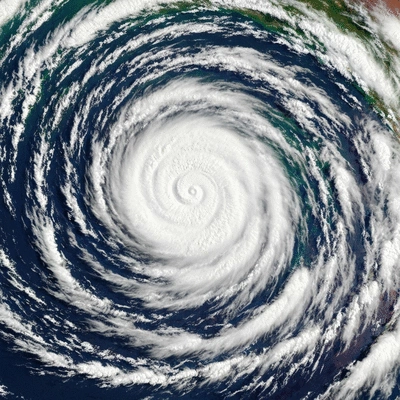
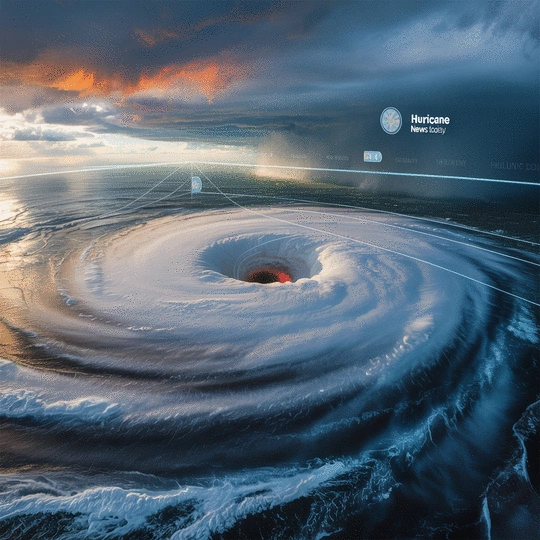
Understanding the categories of tropical cyclones and the entities responsible for monitoring them is crucial for effective preparedness and safety. This visual breaks down the different classifications based on wind speed and highlights the key contributions of NOAA and JTWC in cyclone monitoring.
Tropical Depression
Below 39 mph
Tropical Storm
39 - 73 mph
Hurricane
74 mph or higher
As someone who has dedicated over a decade to studying weather patterns, I can tell you that understanding tropical cyclones in the Pacific Basin is crucial for preparedness. Tropical cyclones, often referred to as hurricanes or typhoons depending on their location, are powerful storms characterized by rotating winds and a well-defined center. They typically form over warm ocean waters, and their impact can be devastating, especially for coastal communities.
In the Pacific Basin, these storms present unique challenges and opportunities for monitoring and safety. As we dive deeper into the seasonal outlook, it's essential to grasp how these cyclones interact with regional weather patterns. This understanding can empower communities to take proactive steps towards safety and resilience. For detailed historical data and ongoing analysis of tropical cyclones in the Eastern Pacific, the National Hurricane Center (NHC) provides comprehensive Tropical Cyclone Reports which are invaluable for understanding past seasons and preparing for future ones. Similarly, for those interested in the Central Pacific, the NHC also offers specific reports for the Central Pacific basin, detailing cyclone activities and their characteristics. These resources offer critical insights into the patterns and behaviors of tropical cyclones.
Tropical cyclones are categorized based on their wind speeds and can lead to significant impacts including heavy rainfall, flooding, and storm surges. The Pacific Basin includes various storm classifications:
Understanding these definitions is key to navigating the storm season effectively. Each category comes with different risks and requires varying levels of preparedness. Our mission at Hurricane News Today is to keep you informed about each storm's status as it develops, ensuring you're always one step ahead. For a specific seasonal outlook on tropical cyclones for the Southwest Pacific, you can consult resources like the NIWA Tropical Cyclone Outlook, which provides forecasts and detailed information pertinent to regional preparedness.
Seasonal forecasts are invaluable for communities at risk of tropical cyclones. They provide insights into expected storm activity, allowing individuals and families to prepare adequately. By staying informed, communities can:
These steps can make a substantial difference when a storm hits. The forecasts help to gauge the likelihood of severe weather, which can lead to better-informed decisions and a more resilient community.
The National Oceanic and Atmospheric Administration (NOAA) and the Joint Typhoon Warning Center (JTWC) play pivotal roles in monitoring tropical cyclones. They provide real-time data and forecasts essential for public safety. Here’s how they contribute:
By leveraging their expertise, we can effectively track cyclones and react quickly. At Hurricane News Today, we monitor their updates closely, sharing the most relevant information with you as storms develop.
Did you know? Preparing a family communication plan is just as important as assembling an emergency kit. Ensure everyone in your household knows whom to contact, where to meet, and how to stay informed during a cyclone. This simple step can provide peace of mind and swift coordination during an emergency.
As the tropical cyclone season approaches, preparation becomes essential for communities in affected areas. At Hurricane News Today, we understand that being proactive can make a significant difference in your safety and readiness. Here are some strategies to ensure your community is equipped to handle the potential impacts of tropical cyclones.
One of the first steps in preparation is engaging your community in mitigation strategies. This involves educating residents on the potential risks and creating a plan to address those risks effectively. Let’s dive into some key community preparedness activities!
By implementing these strategies, communities can foster a culture of readiness. Being informed about the risks associated with tropical cyclones helps individuals make better decisions when a storm approaches. Remember, safety starts with knowledge!
Staying updated with real-time forecasts is critical as storms develop. At Hurricane News Today, we provide live updates and breaking news on tropical cyclones, ensuring you're never left in the dark. Here are some reliable ways to keep track of weather updates:
By utilizing these resources, you can receive timely information that can impact your safety. Remember, during cyclone season, being informed is your best defense!
Early warning systems play a vital role in disaster preparedness. They provide critical information that can guide evacuation efforts and inform communities about impending storms. Here’s why these systems are important:
At Hurricane News Today, we advocate for the use of these systems to enhance community resilience. When everyone is informed and connected, we strengthen our ability to respond effectively to any storm situation!
Here is a quick recap of the important points discussed in the article: