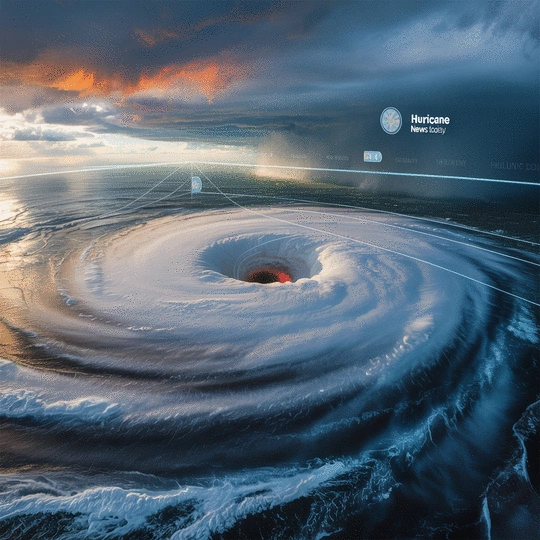
As the Atlantic hurricane season approaches, being well-informed could mean the difference between safety and disaster. Understanding key hurricane terminology and preparedness strategies is essential for protecting yourself and your loved ones.
What You Will Learn
Hurricane Watch vs. Warning: Know the difference—watches indicate possible conditions in 48 hours, while warnings mean conditions are expected in 36 hours.
Saffir-Simpson Scale: Understand hurricane categories from 1 to 5 to gauge potential damage and act accordingly.
National Hurricane Center's Role: Rely on accurate forecasts and safety tips from the NHC to keep your family informed during storms.
Emergency Planning: Create a well-thought-out emergency plan before the season begins to ensure swift action when needed.
Post-Hurricane Steps: Learn how to assess damage and navigate the insurance claims process for recovery.
Community Support: Discover the importance of local resources and support groups in the recovery process.
Key Aspects of Hurricane Preparedness and Recovery
Understanding hurricane terminology, scales, and planning is crucial for safety. The visual below outlines key concepts and steps for both preparing for and recovering from hurricanes.
Category Definitions Saffir-Simpson Scale
Rates hurricanes 1-5 based on wind speed and potential damage, informing preparedness actions.
Advisory Levels Watch vs. Warning
Watch: possible conditions within 48 hrs. Warning: expected within 36 hrs – act swiftly.
Official Guidance National Hurricane Center
Provides accurate forecasts, warnings, and vital safety tips for all storm phases.
Critical Coverage Flood Insurance
Homeowners insurance often excludes flood damage; essential for hurricane-prone areas.
Understanding Emergency Preparedness for Hurricane Forecasts
When it comes to hurricane preparedness, understanding the essential terminology is vital for keeping you and your loved ones safe. Key terms such as hurricane watches and warnings can make a significant difference in how you respond to a storm's approach. A hurricane watch means that conditions are favorable for the storm within 48 hours, while a warning indicates that hurricane conditions are expected within 36 hours. Familiarizing yourself with these terms will help you react quickly and appropriately as storms develop.
Another crucial concept is the Saffir-Simpson Hurricane Wind Scale, which categorizes hurricanes from Category 1 (minimal damage) to Category 5 (catastrophic damage). Understanding this scale allows you to gauge the potential impact of a hurricane based on its wind speed, helping you make informed decisions about safety and preparedness.
Key Terms and Concepts in Hurricane Preparedness
Hurricane Watch: Indicates possible hurricane conditions within 48 hours.
Hurricane Warning: Indicates hurricane conditions expected within 36 hours.
Saffir-Simpson Scale: A 1-5 rating based on a hurricane's sustained wind speeds and potential damage.
By understanding these terms, you position yourself to respond to alerts with confidence. Preparation is about being informed, and at Hurricane News Today, we strive to provide you with all the necessary knowledge for effective hurricane preparedness!
The Role of the National Hurricane Center in Hurricane Preparedness
The National Hurricane Center (NHC) is an invaluable resource during hurricane season. They provide accurate forecasts, timely warnings, and updated information about storm paths and potential impacts. Their detailed analyses can help you stay ahead of the storm, whether you’re in the direct path or on the outskirts. As a seasoned meteorologist, I've seen how critical their updates are in guiding communities through the storm. For more detailed guidance, you can refer to the National Weather Service's hurricane safety plan.
Moreover, the NHC also issues guidance on emergency preparedness and safety tips relevant to each storm, ensuring you have the information you need to protect yourself and your family. Being equipped with this knowledge can make a significant difference in determining how to act as a storm approaches.
The Importance of Planning for Hurricane Season
Planning is essential before hurricane season begins. The Atlantic hurricane season runs from June 1 to November 30. This timeframe demands vigilance as storms can develop rapidly, and preparation is key. Having a well-thought-out emergency plan can not only save lives but also minimize property damage. I always encourage families to sit down together and discuss their preparedness strategies well in advance. For comprehensive information on creating an effective plan, the CDC provides valuable hurricane safety resources.
By having a plan in place, you’ll know how to respond quickly to alerts and warnings. Whether it’s securing your property or knowing where to evacuate, being prepared ensures you can act swiftly when needed. Don’t wait for the storm to make your decisions—start planning now!
Review your emergency plan: Make sure everyone knows what to do.
Gather supplies: Stock up on essentials before storms are imminent.
Stay updated: Follow reliable sources for weather forecasts and alerts.
Pro Tip
Did you know? Having a family communication plan is just as important as preparing your home for a hurricane. Designate a meeting place and ensure everyone knows how to reach each other in case of separation. This simple step can provide peace of mind during the chaos of a hurricane evacuation.
Frequently Asked Questions About Hurricane Preparedness and Recovery
What is the difference between a hurricane watch and a hurricane warning?
A hurricane watch means hurricane conditions are possible within 48 hours, advising you to prepare. A hurricane warning means hurricane conditions are expected within 36 hours, requiring immediate action for safety.
How does the Saffir-Simpson Hurricane Wind Scale help in preparedness?
The Saffir-Simpson scale categorizes hurricanes from Category 1 to 5 based on wind speed. This helps you understand the potential damage and decide on appropriate preparedness actions, such as evacuation or reinforcing your home.
Why is the National Hurricane Center (NHC) an important resource?
The NHC provides accurate forecasts, timely warnings, and vital safety tips for all phases of a storm. Their information is crucial for making informed decisions to protect yourself and your family.
When is the Atlantic hurricane season, and why is planning beforehand crucial?
The Atlantic hurricane season runs from June 1 to November 30. Planning beforehand is crucial because storms can develop rapidly, and having a well-thought-out emergency plan in place can save lives and minimize property damage.
What steps should I take immediately after a hurricane passes?
After a hurricane, assess your property for damage, document everything with photos and notes, and contact your insurance provider as soon as possible to begin the claims process.
Is flood insurance necessary if I have homeowner's insurance?
Yes, flood insurance is often necessary. Standard homeowner's insurance typically does not cover flood damage, making flood insurance essential for those in hurricane-prone areas to protect against significant financial loss.
How can community support help in post-hurricane recovery?
Community support is vital for recovery, offering resources for repairs, mental health assistance, and a network of neighbors to share experiences and provide practical help, boosting overall recovery efforts.
Steps to Take Post-Hurricane for Recovery and Preparedness
After a hurricane has passed, the focus quickly shifts from survival to recovery. Assessing damage is crucial, and I want to share some steps to help you navigate this process effectively. It's important to stay organized and informed to ensure a smooth transition back to normalcy.
Assessment of Damage and Insurance Claims
First things first, take a thorough look at your property to assess any damage. Start by documenting everything with photos and notes. This will not only help you understand the extent of the damage but also assist in filing insurance claims.
Begin with the exterior: Check for roof damage, broken windows, and any structural issues.
Move inside: Look for water damage, mold, and any appliances that may have been affected.
Contact your insurance provider: Report your findings and start the claims process as soon as possible.
Remember, having your documentation organized can significantly speed up the insurance claims process, which is essential for your recovery.
Understanding Flood Insurance and Its Importance in Recovery
Flood insurance is a critical component of hurricane recovery that many people overlook. Regular homeowners' insurance often doesn't cover flood damage, making it essential for those in hurricane-prone areas to have this coverage.
Check your current policy: Ensure you know what is covered and what is not.
Consider the risk level: If you live in a flood zone, talk to your insurance agent about adding flood insurance to your coverage.
Understand the claims process: Familiarize yourself with how to file a flood claim to ensure you are prepared when the time comes.
Flood insurance can make a significant difference in the recovery process, helping you rebuild and recover without excessive out-of-pocket costs.
Long-term Recovery Strategies and Community Support
Recovering from a hurricane isn't just about repairing your property; it's about rebuilding your life. Local communities often rally together to support one another during these tough times, offering various resources to help.
Explore local recovery programs: Many organizations offer assistance for repairs and rebuilding.
Utilize mental health resources: It's normal to feel anxious or stressed after a hurricane, so don’t hesitate to reach out for support.
Connect with neighbors: Sharing experiences and resources can provide emotional relief and practical help.
Community support can really boost your recovery efforts, making it easier to get back on your feet.
Community Resilience Initiatives and Disaster Response Plans
Finally, let's talk about how community resilience initiatives play a vital role in recovery and preparedness. These programs focus on strengthening community ties and improving disaster response plans for the future. You can find more information on workplace preparedness through OSHA's hurricane preparedness guidelines, which also offer broader insights into community safety.
Get involved: Participate in local meetings to discuss disaster preparedness initiatives.
Promote awareness: Share information about available resources and support groups in your community.
Advocate for improvements: Encourage local leaders to invest in infrastructure that enhances community resilience.
By working together, we can enhance our collective preparedness and ensure that we are better equipped to handle future storms!
Recap of Key Points
Here is a quick recap of the important points discussed in the article:
Understand Key Terms: Familiarize yourself with essential terms like hurricane watches and warnings to ensure timely responses.
Know the Saffir-Simpson Scale: This scale helps gauge the potential impact of hurricanes based on wind speed.
Utilize the National Hurricane Center: Rely on their forecasts and safety tips to stay informed and prepared.
Plan Ahead: Create a comprehensive emergency plan before the hurricane season to ensure quick and effective responses.
Assess Damage Post-Hurricane: Document damage thoroughly to facilitate insurance claims and ensure a smooth recovery process.
Consider Flood Insurance: Essential for those in flood-prone areas, as standard policies often do not cover flood damage.
Engage with Community Resources: Local support and recovery programs can be invaluable during recovery efforts.
Participate in Resilience Initiatives: Strengthen community ties and improve future disaster response through active involvement.
Your go-to resource for live updates, breaking news, and comprehensive analysis of hurricanes worldwide. We help communities stay informed and prepared with our real-time alerts and in-depth safety resources.
Trusted by individuals and emergency responders, our mission is to provide timely and accurate hurricane information backed by seasoned meteorologists and cutting-edge storm tracking technology.