Hurricane Intensity Categories
Category 1: 74-95 mphCategory 3: 111-129 mphCategory 5: 157+ mph
Categorized by wind speed, understanding these levels helps gauge risk and potential damage.
Get Nolan Carter's live hurricane updates and expert forecasts delivered directly to your inbox.
Posted on: 2026-05-05
By: Nolan Carter
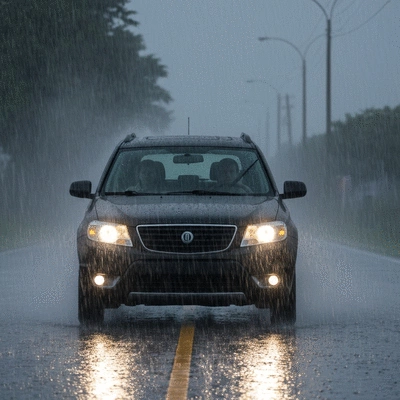
It's a sobering fact that over 100 people lose their lives each year in the U.S. due to car accidents during hurricanes. Understanding how to drive safely in such perilous conditions can be the difference between life and death. Here’s what you need to know to stay safe on the roads when the storm hits.
Understanding hurricane categories and alert levels is critical for safety during severe weather events.
Categorized by wind speed, understanding these levels helps gauge risk and potential damage.
Conditions favorable for hurricane conditions within 48 hours. Stay alert and prepare for potential evacuation.
Hurricane conditions expected within 36 hours. Take immediate action to protect yourself and property.
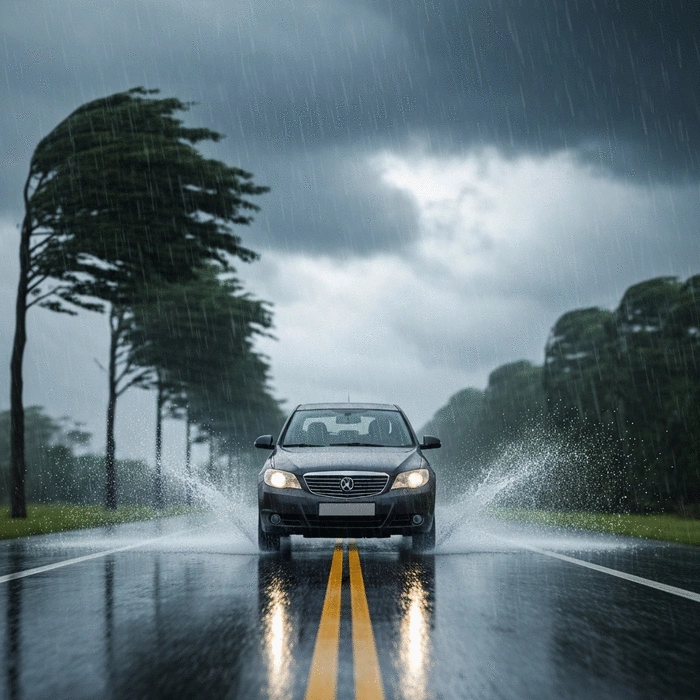
Driving during a hurricane can be one of the most dangerous situations you might find yourself in. It’s crucial to understand that the risks associated with driving in hurricane conditions are not to be taken lightly. With strong winds, heavy rain, and reduced visibility, the potential for accidents increases dramatically. My aim at Hurricane News Today is to empower you with the knowledge you need to stay safe on the roads when a storm approaches!
When faced with the decision to drive during a hurricane, always consider your safety first. If possible, avoid driving altogether. If you must be on the road, always stay updated on weather forecasts and official advisories. Knowledge is your best tool, and being informed can make all the difference!
The urgency of safe driving in hurricane conditions cannot be overstated. While some may feel confident about navigating the roads, the unpredictability of storms can turn a simple drive into a life-threatening situation. Not only do heavy winds and flooding create hazards, but debris can make roads impassable. For additional guidance on navigating roads during hurricanes, you can refer to resources from AAA.
In times of crisis, following safety protocols is essential. The best advice? If you don’t need to drive, stay home and ride out the storm. If you absolutely must travel, prepare yourself for the unexpected!
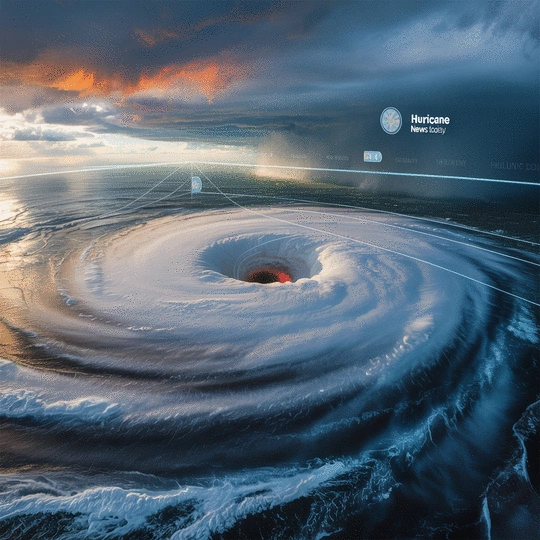
Hurricanes are classified into categories based on their wind speeds, and understanding these categories can help you gauge the risks associated with driving during these events. From Category 1, which brings minimal damage, to Category 5, with catastrophic consequences, knowing these differences is vital.
As a seasoned meteorologist, I can't stress enough how important it is to monitor these categories as storms approach. The National Hurricane Center regularly updates information, so keep an eye out for alerts and stay informed!
When a hurricane threatens, the National Hurricane Center issues watches and warnings that provide crucial information about impending storms. A hurricane watch means conditions are favorable for hurricane conditions within the next 48 hours, whereas a warning indicates that these conditions are expected within 36 hours.
Understanding these terms can significantly impact your safety. Always heed their advice and prepare accordingly—your safety should be your top priority during these critical times!
Before hitting the road during a hurricane, always ensure your vehicle is equipped with essential emergency supplies. This includes a flashlight, bottled water, non-perishable food, and a first-aid kit. Being prepared can significantly enhance your safety and help you manage unexpected situations on the road.
A: It is strongly advised to avoid driving during a hurricane if possible. Your safety is the top priority, and conditions can rapidly become life-threatening due to strong winds, heavy rain, and flooding.
A: The main risks include heavy rain causing rapid flooding, high winds toppling trees and power lines, and significantly reduced visibility, all of which increase the potential for accidents.
A: A hurricane watch means hurricane conditions are possible within 48 hours, requiring you to stay alert and prepare. A hurricane warning means hurricane conditions are expected within 36 hours, necessitating immediate action to protect yourself and your property.
A: Ensure your wipers, tires, and brakes are in top working condition. Also, make sure your fuel tank is full.
A: This is a critical safety message advising drivers never to attempt to drive through flooded roads. Even shallow water can hide dangerous currents, washed-out roadbeds, or be deeper than it appears, leading to your vehicle being swept away or stalled.
As we’ve discussed the intricacies of driving in hurricane conditions, it's vital to recap some key safety precautions. Keeping these tips in mind can make all the difference when faced with severe weather. Drive defensively and always prioritize safety over expediency!
When it comes to driving in hurricane conditions, preparation and awareness are your best friends. Here are some essential takeaways to ensure your safety:
By keeping these tips in mind, you can navigate the challenges of driving during a hurricane with greater confidence. Your safety is paramount, and preparedness is key!
Preparedness goes beyond just having a well-maintained vehicle. It’s about creating a comprehensive plan that includes communication strategies. Here’s why this is crucial:
By reinforcing these communication strategies, we can greatly enhance our preparedness for hurricane driving. It’s all about looking out for each other and ensuring that everyone stays safe!
As we gear up for hurricane season, it’s our collective responsibility to foster a culture of safety within our communities. Together, we can make a significant impact on how we respond to severe weather conditions. Let’s explore some actionable steps you can take!
One of the best ways to promote safety is by sharing valuable information. Here are some ways to get started:
By actively sharing information, we can arm our community with the knowledge they need to navigate hurricane driving safely.
In today’s technology-driven world, staying informed has never been easier! Here’s how you can keep up with local alerts and updates:
Being informed allows you to make better decisions, especially when driving during a hurricane. Keep your community connected!
Engaging local authorities can significantly enhance our community’s resilience against hurricanes. Here’s how you can get involved:
By working together with local authorities, we can forge a strong front against the challenges posed by hurricanes. Remember, each small action counts!
Here is a quick recap of the important points discussed in the article: