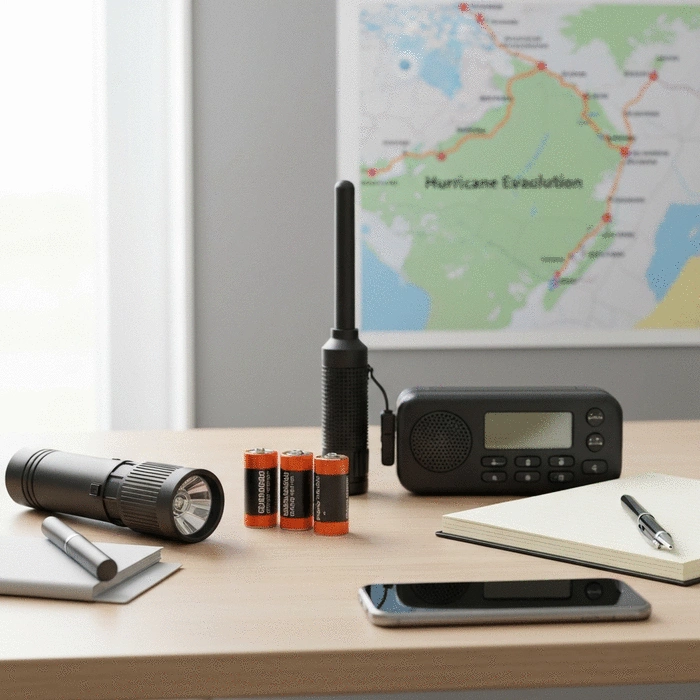
As the unpredictable hurricane season approaches, understanding the significance of an emergency communication plan can mean the difference between chaos and order. What steps can your business take to ensure safety and resilience? Let's explore the vital lessons learned from past storms.
What You Will Learn
The necessity of a robust emergency communication plan to safeguard employee safety during hurricanes.
How effective communication strategies can enhance operational continuity and community responsibility.
Key lessons learned from past hurricanes, emphasizing the importance of timely information and communication hierarchies.
Step-by-step guidance on creating an emergency communication plan tailored to your business's needs.
Resources and tools available for improving hurricane preparedness, including FEMA guidelines and local emergency management contacts.
Phased Approach to Emergency Communication Planning
Building an effective emergency communication plan involves several critical steps, from initial risk assessment to continuous testing and refinement. This phased approach ensures thorough preparation and adaptability.
Step-by-Step Guide for Businesses
Assess Risks: Identify potential risks.
Establish Communication Roles: Designate team members.
Choose Communication Tools: Select effective alerts.
Draft Messages: Prepare clear, concise messages.
Test the Plan: Conduct regular drills.
Key Resources for Preparedness
FEMA Website: Comprehensive disaster resources.
Ready.gov: Tips for emergency plans.
National Hurricane Center: Real-time updates & forecasts.
Local Emergency Mgmt: Specific guidelines.
Understanding the Importance of an Emergency Communication Plan for Hurricanes
As someone deeply invested in hurricane preparedness, I can tell you that having an emergency communication plan in place is absolutely vital for any business, especially during hurricane season. It’s not just about being prepared for the storm; it’s about ensuring that your team knows how to communicate effectively, no matter the circumstances. The unpredictable nature of hurricanes makes it essential to have a strategy that keeps everyone informed and safe!
From my experience at Hurricane News Today, where we strive to provide timely information, I understand how crucial these plans can be in minimizing chaos and confusion. A strong communication strategy not only helps in distributing vital information but also reinforces trust among employees and customers, allowing everyone to act swiftly and safely.
Why Every Business Needs a Robust Hurricane Preparedness Strategy
Every business, regardless of size, should develop a robust hurricane preparedness strategy. This not only protects your employees but also ensures business continuity during and after a storm. Here are some reasons why:
Employee Safety: Keeping your employees informed about safety measures helps protect their lives and well-being.
Operational Continuity: A solid plan minimizes disruptions, enabling quicker recovery post-storm.
Community Responsibility: Businesses play a role in community resilience; proactive preparedness contributes to the overall safety of the community.
The importance of a comprehensive plan cannot be overstated. The more prepared your business is, the less likely it is to face severe operational setbacks. Think of it as a safety net that allows you to focus on what really matters during a crisis.
Key Lessons Learned from Past Hurricanes, Including Katrina
The devastation caused by hurricanes such as Katrina serves as a stark reminder of the need for effective communication. One critical lesson is that timely information can save lives. Businesses that had a plan in place, with clear communication channels, were often able to respond quicker and recover faster.
Some of the lessons learned include:
Establishing communication hierarchies is crucial to avoid confusion.
Regular updates are essential; static information becomes outdated quickly in a fast-moving situation.
Investing in technology, such as mass notification systems, can enhance your reach and responsiveness.
Reflecting on these past events, we can draw valuable insights to shape a more effective approach for future hurricane preparedness. Each storm teaches us something new, urging us to refine our strategies continuously.
The Role of the National Hurricane Center in Effective Communication
The National Hurricane Center (NHC) plays a pivotal role in hurricane preparedness across the U.S. They provide real-time updates, forecasts, and warnings that are critical for individuals and businesses alike. Using their data, businesses can tailor their communication plans to be more effective and timely. For instance, the NHC issues regular updates including important hurricane guides, which are crucial for understanding potential impacts.
Here’s how the NHC contributes to effective communication:
Real-time Data: NHC offers updated forecasts that help businesses make informed decisions.
Clear Warnings: Their alerts clearly delineate the severity of storms, enabling appropriate response measures.
Accessible Resources: The NHC's website is a treasure trove of information that businesses can leverage to enhance their planning.
Utilizing NHC resources in your communication plan can significantly increase your organization’s situational awareness. By staying informed with accurate data, we can ensure our businesses and communities remain resilient in the face of storms.
Pro Tip
Did you know? Regularly reviewing and updating your emergency communication plan can significantly enhance your team's preparedness. Schedule bi-annual drills and update contact lists to ensure that everyone knows their roles and responsibilities when a hurricane strikes. This proactive approach keeps your plan fresh and your team ready!
Taking Action: Building Your Emergency Communication Plan
As we dive into the crucial task of building an effective emergency communication plan, it’s important to remember that preparation is key. Every business should have a clear strategy in place to ensure everyone stays informed and safe during a hurricane. Let’s take a closer look at how to create a robust plan that includes the needs of both businesses and employees.
Step-by-Step Guide for Businesses and Employees
Creating your emergency communication plan doesn't have to be overwhelming! Here’s a simple step-by-step guide to help you get started:
Assess Risks: Identify potential risks specific to your location and business operations.
Establish Communication Roles: Designate team members responsible for updates and information dissemination.
Choose Communication Tools: Select the most effective tools for alerts, such as emails, texts, and phone calls.
Draft Messages: Prepare clear, concise messages for different scenarios (pre, during, and post-hurricane).
Test the Plan: Conduct drills to ensure everyone is familiar with the communication process.
By following these steps, you can develop a communication plan that keeps your team well-informed and ready to act when a hurricane strikes. Remember, the goal is to minimize panic and ensure safety!
Resources for Further Learning and Preparation, Including FEMA Guidelines
There are numerous resources available to help you strengthen your hurricane preparedness. Here’s a list of valuable resources that can guide you:
FEMA Website: Offers comprehensive resources on disaster preparedness.
Ready.gov: Provides tips and tools for creating emergency plans, including specific guidance on hurricane preparedness.
National Hurricane Center: Delivers real-time updates and forecasts for hurricanes.
Local Emergency Management Agencies: Connect with local authorities for specific guidelines and resources.
Taking advantage of these resources can enhance your understanding of emergency protocols and improve your overall readiness. Don't hesitate to reach out to your local emergency management agency for tailored advice!
Understanding Evacuation Routes and Shelter Locations
Knowledge of evacuation routes and shelter locations is vital for any effective communication plan. Ensuring your team knows where to go during a hurricane can save lives. Here’s how to prepare:
Map Out Evacuation Routes: Identify the safest and quickest routes to take in an emergency.
List Nearest Shelters: Keep a list of local shelters, including their capacities and available services.
Share Information: Regularly communicate this information with your team to ensure everyone is informed.
By familiarizing yourself with these essential details, you’ll help create a safer environment for your employees and their families during hurricane season. Remember, communication is the key to effective action!
Frequently Asked Questions about Hurricane Preparedness
Q1: Why is an emergency communication plan crucial for businesses during hurricane season?
A1: An emergency communication plan is vital to ensure employee safety, maintain operational continuity, and fulfill community responsibility by providing clear, timely information before, during, and after a hurricane.
Q2: What are the key steps in creating an effective emergency communication plan?
A2: Key steps include assessing risks, establishing communication roles, choosing appropriate communication tools, drafting clear messages for different scenarios, and regularly testing the plan through drills.
Q3: How can businesses leverage resources like the National Hurricane Center and FEMA for preparedness?
A3: Businesses can use the National Hurricane Center for real-time updates, forecasts, and warnings, and FEMA (Federal Emergency Management Agency) for comprehensive disaster preparedness guidelines and resources to enhance their planning.
Q4: What important lessons have been learned from past hurricanes regarding communication?
A4: Past hurricanes, like Katrina, demonstrated that timely information saves lives, establishing clear communication hierarchies is crucial, and regular updates are essential. Investing in mass notification systems can also improve responsiveness.
Q5: Why is it important to know evacuation routes and shelter locations in advance?
A5: Knowing evacuation routes and shelter locations is critical for ensuring the safety of employees and their families. This information should be regularly communicated to the team to minimize panic and facilitate effective action during an emergency.
Recap of Key Points
Here is a quick recap of the important points discussed in the article:
Importance of an Emergency Communication Plan: Essential for businesses to ensure effective communication during hurricanes.
Employee Safety: Keeping team members informed protects their well-being and enhances operational continuity.
Timely Information Saves Lives: Businesses that established communication plans were able to respond faster during past hurricanes.
Utilizing Resources: Leverage tools from the National Hurricane Center and FEMA to enhance preparedness.
Step-by-Step Plan Creation: Assess risks, designate roles, choose tools, draft messages, and conduct drills for effective communication strategies.
Evacuation Knowledge: Familiarize your team with evacuation routes and shelter locations to ensure safety during emergencies.
Your go-to resource for live updates, breaking news, and comprehensive analysis of hurricanes worldwide. We help communities stay informed and prepared with our real-time alerts and in-depth safety resources.
Trusted by individuals and emergency responders, our mission is to provide timely and accurate hurricane information backed by seasoned meteorologists and cutting-edge storm tracking technology.