Stay Ahead of the Storm!

Get Nolan Carter's live hurricane updates and expert forecasts delivered directly to your inbox.

Hurricane Home Safety Checklist


Hurricane Home Safety Checklist

Posted on: 2026-06-07
By: Nolan Carter


What if a simple post-hurricane safety check could save your home or even your life? Understanding what hazards lurk beneath the surface after a storm can empower you to act quickly and decisively.

What You Will Learn

  • The importance of conducting post-hurricane safety checks to prevent injuries and damage.
  • Common risks such as downed power lines and structural damage that may not be immediately visible.
  • Essential steps for conducting thorough safety checks on your home, including preparation and documentation.
  • How to create a personalized safety checklist to stay ready for future storms.

Essential Post-Hurricane Home Safety Checks

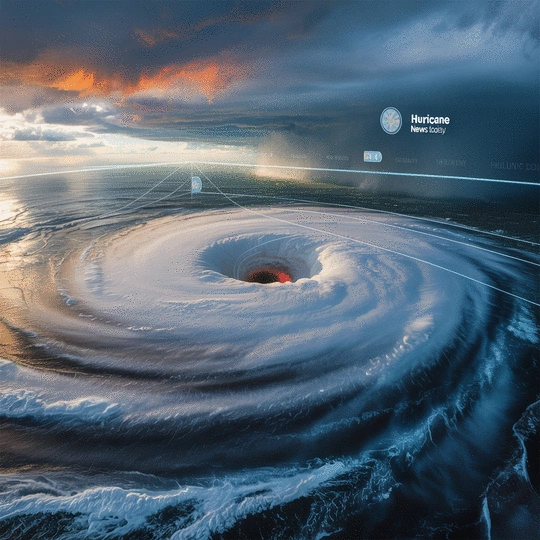
Ensuring your home is safe after a hurricane is critical. The following visual outlines key steps to identify and mitigate common risks, protecting your property and family.

Why Safety Checks Are Crucial

  • Preventing Injuries: Unstable debris, exposed wires.
  • Identifying Damage: Early detection saves costly repairs.
  • Insurance Requirements: Document damage for claims.

Common Risks & Hazards

  • Puddles & Flooding: Slips, mold growth.
  • Downed Power Lines: Deadly hazard.
  • Structural Damage: Weakened walls/ceilings.
  • Gas Leaks: Evacuate if odor detected.

Essential Safety Steps

  • Prepare Emergency Kit: Tools, supplies.
  • Stay Informed: Local advisories.
  • Document Everything: Photos & notes for insurance.

Understanding the Importance of Post-Hurricane Safety Checks

After the winds die down and the rain stops, the next crucial step is to ensure your home is safe. Post-hurricane safety checks are essential for protecting both your property and your loved ones. These checks help identify potential hazards that may cause injuries or further damage if not addressed promptly. At Hurricane News Today, we emphasize the significance of these safety checks because being proactive can make all the difference in your recovery.

Taking the time to conduct a thorough safety inspection can prevent future complications. Whether you’re dealing with downed power lines, unstable structures, or hidden water damage, being vigilant will help you return to normalcy more quickly. Remember, it’s not just about what you see on the surface; many dangers lurk beneath.

Why Safety Checks are Crucial After a Hurricane

Understanding the importance of post-hurricane safety checks is vital. Right after a hurricane, your home may appear intact, but there could be underlying issues that need immediate attention. Here are some key reasons why these checks cannot be overlooked:

  • Preventing Injuries: Many hazards can cause physical harm, such as unstable debris, exposed electrical wires, and flooding. For more details on hurricane hazards, you can review this Hurricane Hazard Info Sheet from Ready.gov.
  • Identifying Damage: An early detection of damage can save you from costly repairs down the line.
  • Insurance Requirements: Documenting safety checks may be necessary for your insurance claims, helping to ensure you receive the support you need.
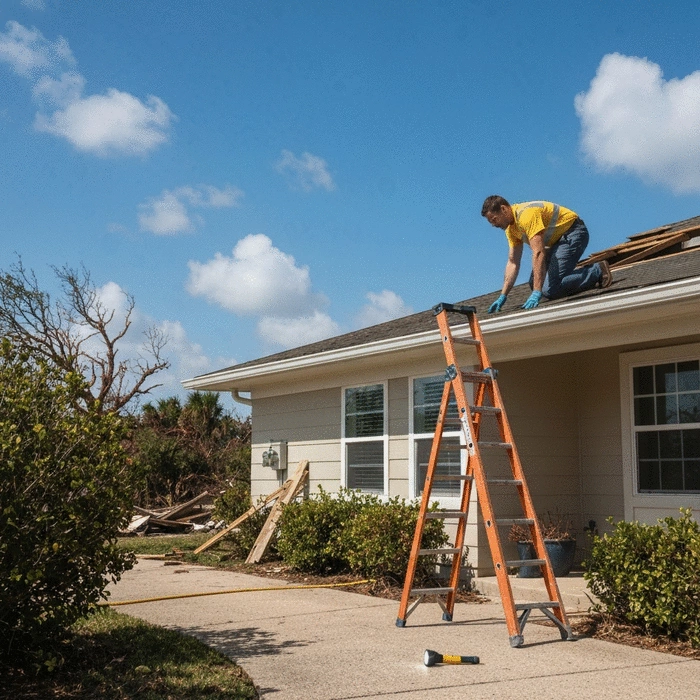
Person inspecting a damaged roof after a hurricane

By conducting these checks, you’re not just looking out for yourself; you’re also ensuring the safety of others in your community. As a meteorologist passionate about public safety, I encourage everyone to view safety checks as a crucial part of hurricane preparedness.

Common Risks and Hazards to Anticipate

When assessing your property after a hurricane, it’s essential to be aware of the common risks and hazards that may arise. Here are some typical issues you should watch for:

  • Puddles and Flooding: Standing water can lead to slips and falls, as well as create conditions for mold growth.
  • Downed Power Lines: These can be deadly, so it's important to maintain a safe distance.
  • Structural Damage: Cracks in walls or ceilings may indicate weakened structures that could collapse.
  • Gas Leaks: If you smell gas, evacuate immediately and call for help.

Being vigilant about these hazards allows you to take immediate action, ensuring not just your safety, but also that of your family and neighbors. At Hurricane News Today, we’re committed to empowering communities with the knowledge to stay safe not just during storms, but after them as well. For further guidance on developing a comprehensive safety strategy, consider consulting resources like the National Weather Service's Hurricane Plan.

Essential Steps for Conducting Safety Checks on Your Home

Now that we understand the importance of post-hurricane safety checks, let’s delve into the essential steps you should take to ensure your home is safe. Following a structured approach can significantly enhance the effectiveness of your inspection.

Remember, safety is paramount, and taking these steps can help you avoid potential disasters while restoring your home. Here’s a breakdown of what to keep in mind as you conduct your checks:

  • Prepare your emergency kit: Ensure you have essential tools and supplies ready for inspection.
  • Stay informed: Keep updated with local news for any safety advisories in your area.
  • Document everything: Take pictures and notes of any damage to support your insurance claims.

As you begin to assess your home, approach each area systematically to ensure nothing is overlooked. Your safety and peace of mind are worth the effort!

We Want to Hear From You!

What do you think about the importance of conducting safety checks after a hurricane? Share your thoughts below:

Frequently Asked Questions About Post-Hurricane Safety Checks

Q: Why are post-hurricane safety checks so important?
A: Post-hurricane safety checks are crucial for preventing injuries from hazards like unstable debris and exposed wires, identifying damage early to save on repair costs, and fulfilling insurance requirements for claims documentation.
Q: What are the most common risks to look for after a hurricane?
A: Common risks include puddles and flooding (leading to slips and mold), downed power lines (which are deadly), structural damage (like cracks in walls or ceilings), and gas leaks (requiring immediate evacuation if suspected).
Q: What essential steps should I take when conducting safety checks?
A: Essential steps include preparing an emergency kit with tools and supplies, staying informed with local advisories, and thoroughly documenting all damage with photos and notes for insurance purposes.
Q: How can I prepare for future storms?
A: You can prepare for future storms by creating a personalized safety checklist, staying informed through reputable resources like Hurricane News Today, and engaging with local emergency management agencies for valuable insights and support.
Q: Where can I find a comprehensive checklist for hurricane safety?
A: For a detailed checklist, you can refer to resources such as the American Red Cross Hurricane Safety Checklist, which offers guidance on preparing for and responding to hurricanes.

Final Thoughts on Post-Hurricane Safety Checks

As we reflect on the importance of post-hurricane safety checks, it’s evident that taking these measures seriously can save lives and protect property. After a hurricane, your home may have hidden risks that aren’t immediately visible. Ensuring safety through thorough inspections is not just about your peace of mind—it's about safeguarding your family and community.

Here’s a quick recap of the key steps we've discussed for ensuring home safety:

  • Conduct pre-entry safety assessments for gas and electrical issues.
  • Inspect the exterior for roof damage, siding issues, and blockages in gutters.
  • Check the interior for cracks, moisture, and potential mold growth.
  • Document any damage thoroughly for insurance purposes.
  • Know when to call in professionals for a thorough evaluation.

By following these key steps, you can feel confident in your ability to tackle any challenges that arise after a storm. Remember, knowledge is power, and at Hurricane News Today, we’re dedicated to keeping our communities safe and informed!

Taking Action: Preparing for Future Storms

Creating Your Personalized Safety Checklist

Preparation is crucial in the face of future storms. Creating a personalized safety checklist ensures that you're not only ready for a hurricane but also for any challenges that may arise afterward. Start by jotting down essential items you need for your safety kit, which may include:

  • Flashlights and batteries
  • First-aid supplies
  • Non-perishable food and water
  • Medications and a list of emergency contacts
  • Important documents stored securely
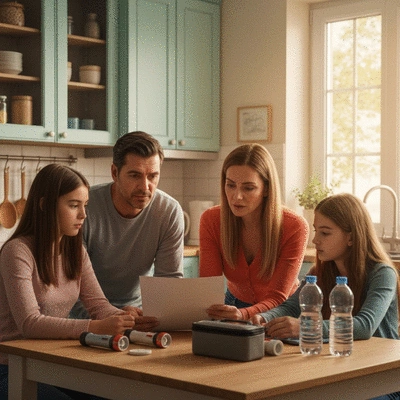
Family reviewing a hurricane safety checklist at home

This checklist should be tailored to your specific needs, ensuring that you have everything necessary to keep your family safe. And don't forget to review and update it regularly!

Resources for Continued Learning and Support

Staying informed about hurricane preparedness is an ongoing journey. At Hurricane News Today, we provide a wealth of resources for you to tap into. Whether it’s safety tips, storm tracking updates, or community webinars, we have you covered. Make it a habit to visit our website regularly for the latest information and sign up for alerts so you’re always one step ahead.

Engaging with Local Emergency Management Agencies for Preparedness

Finally, I encourage you to connect with local emergency management agencies. They play a vital role in our community’s preparedness efforts and can provide valuable insights and resources. By working together and staying informed, we can enhance our resilience against the unpredictable nature of hurricanes.

Remember, our safety is a shared responsibility, and at Hurricane News Today, I'm here to support you every step of the way. Together, we can weather any storm!

Recap of Key Points

Here is a quick recap of the important points discussed in the article:
  • Conduct Safety Assessments: Before entering your home, assess for gas and electrical issues.
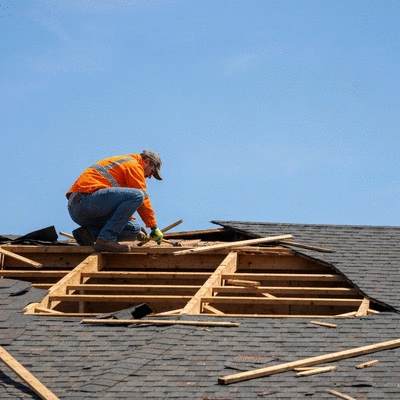
  • Inspect the Exterior: Look for roof damage, siding issues, and blockages in gutters.
  • Check the Interior: Be vigilant for cracks, moisture, and potential mold growth.
  • Document Damage: Take photos and notes to support your insurance claims.
  • Know When to Seek Help: Don't hesitate to call in professionals for a thorough evaluation.

Subscribe & Share
2025 Hurricane Season Storm Tracker 2025 Hurricane Season Storm Tracker As we gear up for the 2025 hurricane season, understanding the timeline, storm names, and preparedne
Hurricane Path Projections Explained Hurricane Path Projections Explained As the intensity of hurricane seasons rises, knowing how to stay informed becomes essential. Real-ti
Hurricane Preparedness: Stay Informed Hurricane Preparedness: Stay Informed As the winds howl and the skies darken, the importance of reliable information during a hurricane ca
Banner
Hurricane News Today

Your go-to resource for live updates, breaking news, and comprehensive analysis of hurricanes worldwide. We help communities stay informed and prepared with our real-time alerts and in-depth safety resources.

Trusted by individuals and emergency responders, our mission is to provide timely and accurate hurricane information backed by seasoned meteorologists and cutting-edge storm tracking technology.

Learn More
Recent Posts
2025 Hurricane Season Storm Tracker 2025 Hurricane Season Storm Tracker

As we gear up for the 2025 hurricane season, under

Hurricane Path Projections Explained Hurricane Path Projections Explained

As the intensity of hurricane seasons rises, knowi

Hurricane Preparedness: Stay Informed Hurricane Preparedness: Stay Informed

As the winds howl and the skies darken, the import

Hurricane Preparedness Tips