Primary Goals of Preparedness
- ✓Safeguarding lives
- ✓Protecting property
- ✓Ensuring business continuity
Get Nolan Carter's live hurricane updates and expert forecasts delivered directly to your inbox.
Posted on: 2026-01-31
By: Nolan Carter
Have you ever thought about what it takes to weather the storm? Proper hurricane preparedness can be the difference between safety and catastrophe. Let’s explore the essential lessons that can guide you in facing these natural disasters.
Proactive measures are crucial for mitigating the devastating impacts of hurricanes. Here's a breakdown of the primary goals and essential components, designed to enhance safety and resilience.
As a passionate meteorologist, I've seen firsthand the devastating impacts hurricanes can have on communities, businesses, and individuals. Understanding the gravity of these storms goes beyond just tracking their paths; it’s about preparing for their effects. Proactive measures can make a significant difference in how we weather the storm, and they can ultimately save lives and property.
Hurricanes can disrupt daily life, causing power outages, flooding, and property damage. This is why preparing for a hurricane is not just advisable but essential. When we take the time to prepare, we empower ourselves and our loved ones to face these challenges head-on!
The impacts of hurricanes can be felt across various sectors. For communities, they can dismantle infrastructure, lead to evacuations, and even cause long-term economic downturns. Businesses face risks such as losing inventory, damaging property, and facing a loss of revenue during downtime. Individuals and families may suffer losses of personal belongings, and in the worst cases, even lives can be at stake.
Ultimately, by prioritizing hurricane preparedness, we create a culture of resilience within our communities, allowing us to rebound quicker and stronger.
So, what does effective hurricane preparedness look like? At Hurricane News Today, we emphasize three primary goals that should guide your preparation efforts:
By focusing on these objectives, we can foster a stronger foundation for safety and preparedness. Don’t wait for a storm to strike; let’s get started with your hurricane preparedness now!
Once you understand the importance of preparedness, the next step is creating a solid checklist. This will help ensure you have all the essentials covered when a hurricane threatens your area.
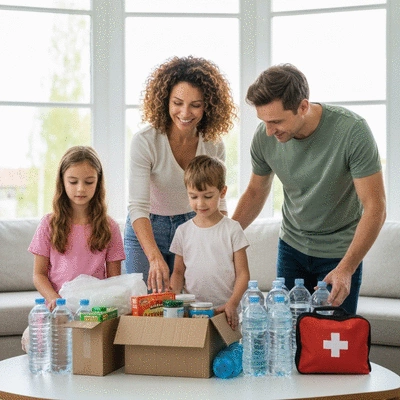
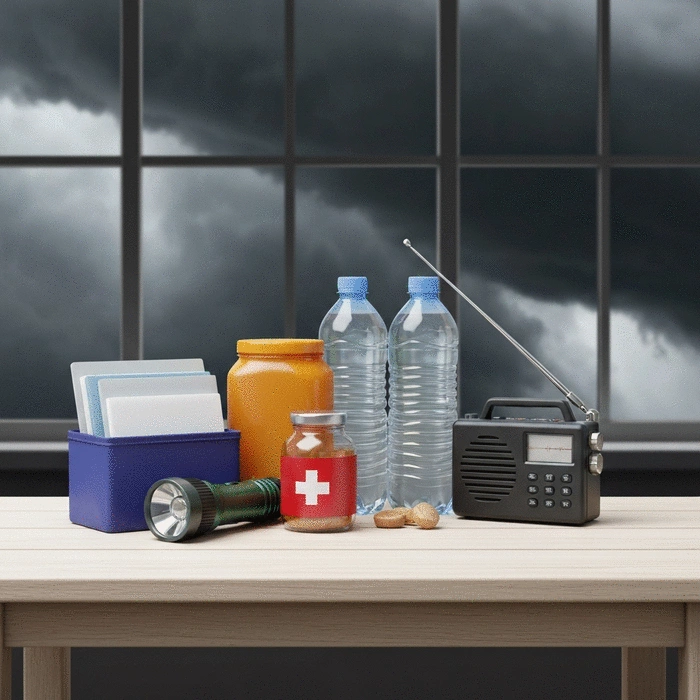
When preparing for a hurricane, an emergency kit is essential. This kit should contain items that will help support you and your family during and after the storm. The American Red Cross offers comprehensive guidance on what to include. Here’s what to include:
Don’t forget about your pets! Include pet food and supplies in your emergency kit to ensure every member of your family is cared for during a storm.
Here’s a detailed checklist of items every household should have in their emergency kit:
By gathering these essentials, you’re taking proactive steps toward ensuring your safety and well-being during a hurricane event!
Securing your property is a critical aspect of hurricane preparedness. Here are some key techniques to consider:
Taking these steps not only protects your home but also gives you peace of mind as storms approach. Remember, being physically prepared is just as crucial as having supplies!
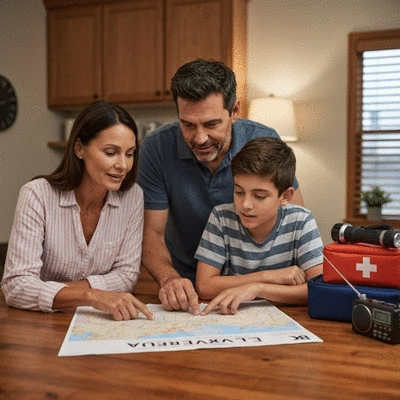
In the event of a hurricane, knowing your evacuation routes is vital. Start by identifying the quickest and safest paths away from your area. Make sure that everyone in your household is aware of these routes. The National Weather Service provides valuable resources for creating your hurricane plan, including evacuation considerations.
Having an evacuation plan ensures that you and your loved ones can leave safely and efficiently when the time comes.
When a hurricane hits, communication becomes even more crucial. Establishing a family communication plan can help everyone stay connected. Here’s how to create one:
Remember, a well-thought-out communication plan can help reduce anxiety and keep your family safe during the storm!
A: Hurricane preparedness is crucial because it helps safeguard lives, protect property, and ensure business continuity. Proactive measures can significantly mitigate the devastating impacts of hurricanes, allowing individuals and communities to rebound quicker and stronger.
A: An essential hurricane emergency kit should include non-perishable food (at least a three-day supply), water (one gallon per person per day for at least three days), medications and medical supplies, a first-aid kit, a flashlight with extra batteries, a battery-powered or hand-crank radio, and personal sanitation items.
A: To secure your property, consider installing storm shutters for windows, using sandbags to divert floodwaters, checking and reinforcing your roof, and securing all outdoor items that could become projectiles in strong winds.
A: A family communication plan should designate a main point of contact, establish agreed-upon meeting places in case of evacuation, and encourage the use of text messages or social media for updates, as these methods often work better than phone calls during emergencies.
A: FEMA offers guidance on disaster assistance and recovery resources, while the National Hurricane Center provides real-time updates on hurricane forecasts, storm tracks, and safety recommendations. Both organizations offer valuable checklists, educational materials, and webinars to help individuals and communities stay informed and prepared.
Did you know? Regularly reviewing and updating your hurricane preparedness plan can significantly enhance your safety. Ensure that your emergency kit is stocked with fresh supplies and that your family is familiar with evacuation routes and communication plans. Make it a yearly tradition to check off your preparedness checklist!
As we conclude our discussion on hurricane preparedness, it's clear that taking action now is essential for ensuring your safety and peace of mind. Effective preparedness not only protects lives but also helps safeguard property and maintain community resilience. Here are some key takeaways to reflect on:
It's easy to feel overwhelmed when preparing for storms, but remember, every step you take counts! Proactive measures can significantly reduce risks and enhance safety for you and your loved ones.
Now is the time to put these strategies into action! Don’t wait until the last minute—take a moment to download our hurricane preparedness checklist and templates available on Hurricane News Today. These resources will help guide your efforts and ensure that you’re well-equipped when the storm approaches. Every household can benefit from being prepared, so gather your family and start checking off those boxes!
Let’s make preparedness a priority together. Share the checklist with friends and family to spread awareness and create a community of preparedness!
FEMA and the National Hurricane Center (NHC) play a critical role in your hurricane readiness. Both organizations provide invaluable resources and information that can aid in your preparations. For instance, the National Hurricane Center offers detailed preparedness information, including hurricane tracking and safety tips. Here are some of the ways they can help:
Staying connected with these resources can empower you to make informed decisions before, during, and after a hurricane. By leveraging their expertise, you can enhance your preparedness and bolster your community's resilience against storms.
Here is a quick recap of the important points discussed in the article: