Stay Ahead of the Storm!

Get Nolan Carter's live hurricane updates and expert forecasts delivered directly to your inbox.

Hurricane Preparedness for Disabled Individuals


Hurricane Preparedness for Disabled Individuals

Posted on: 2026-06-22
By: Nolan Carter


When it comes to hurricane safety, preparedness is crucial, especially for individuals with disabilities. By understanding the unique challenges faced during a storm, we can empower ourselves and our communities to respond effectively.

What You Will Learn

  • The importance of creating a personalized hurricane safety plan tailored to individual needs.
  • Key challenges faced by individuals with disabilities during hurricanes, including mobility and communication barriers.
  • The role of disability advocacy organizations in providing essential resources and support for hurricane preparedness.
  • Effective strategies for engaging with local government emergency services to enhance personal safety during storms.
  • Resources and tools available for ongoing support in hurricane preparedness efforts.
  • How community engagement can strengthen disaster preparedness for individuals with disabilities.

Hurricane Preparedness: A Focus on Individuals with Disabilities

Understanding the unique challenges and essential steps for hurricane safety for individuals with disabilities. This visual outlines key areas of focus to enhance preparedness and community resilience.

Essential for:
Why Preparedness is Crucial

  • Access to medical care
  • Specific evacuation needs
  • Communication methods

Key Obstacles:
Challenges Faced During Hurricanes

  • Inaccessible facilities
  • Communication issues
  • Medical supply access

Empowering Steps:
Taking Action for Preparedness

  • Create a personalized plan
  • Gather essential supplies
  • Connect with local services

Community Strength:
The Role of Advocacy & Engagement

  • Tailored training & support
  • Community awareness initiatives
  • Sharing experiences & strategies

Understanding Hurricane Safety for People with Disabilities

Hurricane safety is a crucial topic for everyone, but it takes on special importance for individuals with disabilities. Preparedness is essential because these individuals often face unique challenges during emergency situations. We are committed at Hurricane News Today to ensuring that everyone, regardless of ability, has the information they need to stay safe during hurricane season.

Person using a tablet to create a personalized hurricane safety plan, with a checklist and emergency supplies in the background.

By equipping ourselves with knowledge and resources, we can work toward empowering the community. Understanding the specific considerations for people with disabilities helps in creating effective plans that prioritize everyone's safety.

Why Hurricane Preparedness is Essential for Individuals with Disabilities

Individuals with disabilities may encounter various obstacles during a hurricane, from mobility issues to communication barriers. Preparedness is not just about having supplies—it's about making informed decisions ahead of time. By planning and preparing, individuals can reduce anxiety and ensure their safety. For more detailed guidance, consider resources such as the comprehensive guide on Emergency Preparedness for People with Disabilities from Ready.gov.

  • Access to medical care during and after a storm
  • Specific evacuation needs based on mobility
  • Communication methods for alerts and updates

Recognizing these needs is the first step in crafting a comprehensive safety plan that includes everyone. The more we prepare, the better the outcomes for those who might be at risk during a storm.

Key Challenges Faced During Hurricanes

When hurricanes strike, the challenges faced by individuals with disabilities can become magnified. Barriers such as inaccessible facilities, lack of transportation, and the sudden need for specialized medical assistance can create dire situations. It’s essential to identify these challenges to formulate effective strategies. The American Red Cross also offers valuable information on how to prepare for disasters, including considerations for individuals with disabilities.

  • Limited access to shelters that accommodate mobility devices
  • Potential communication issues during emergencies
  • Difficulty in obtaining necessary medical supplies

Identifying these challenges helps us address them head-on. At Hurricane News Today, we aim to amplify awareness and provide solutions that empower communities to better serve individuals with disabilities during hurricanes.

The Role of Disability Advocacy Organizations in Hurricane Preparedness

Disability advocacy organizations play a fundamental role in hurricane preparedness by providing resources, training, and support tailored to those with unique needs. These organizations can bridge gaps that may exist in traditional emergency management plans. Additionally, the U.S. Department of Health & Human Services provides resources for individuals with disabilities to ensure their civil rights are protected during emergencies.

  • Offering tailored training sessions on emergency preparedness
  • Providing resources to help individuals create personalized plans
  • Facilitating community awareness initiatives to educate the public

By collaborating with these organizations, we can ensure that everyone is included in disaster preparedness efforts. Together, we can create a safer environment for all, especially those who face additional risks during hurricane events.

We Want to Hear From You!

What do you think about the challenges faced by individuals with disabilities during hurricanes? Share your thoughts below:

Frequently Asked Questions About Hurricane Preparedness for Individuals with Disabilities

Individuals with disabilities often face unique challenges during emergencies, such as mobility issues, communication barriers, and specific medical needs, making proactive preparedness crucial for their safety and well-being.

Challenges can include inaccessible shelters, difficulties with emergency communication, lack of transportation for evacuation, and issues with accessing necessary medical supplies and care.

These organizations provide tailored training, resources for personalized safety plans, community awareness initiatives, and support networks to ensure that the unique needs of individuals with disabilities are addressed in disaster planning.

A personalized plan should list emergency contacts, essential supplies (food, water, medication, assistive devices), a communication strategy for family/caregivers, and evacuation routes, all tailored to individual needs.

You can contact your county or city emergency management office, follow their social media for updates, attend community meetings, and inquire about resources specifically designed for individuals with disabilities.

Community engagement builds support networks, fosters collaboration, increases awareness of unique challenges, and promotes a collective culture of preparedness, leading to a more resilient community for everyone.

Taking Action for Enhanced Hurricane Preparedness

When it comes to hurricane safety, having a solid plan is crucial. That’s why I encourage you to start creating your personalized hurricane safety plan today. Tailoring a plan to your specific needs ensures that you’re ready to face any storm that comes your way! Preparedness is power!

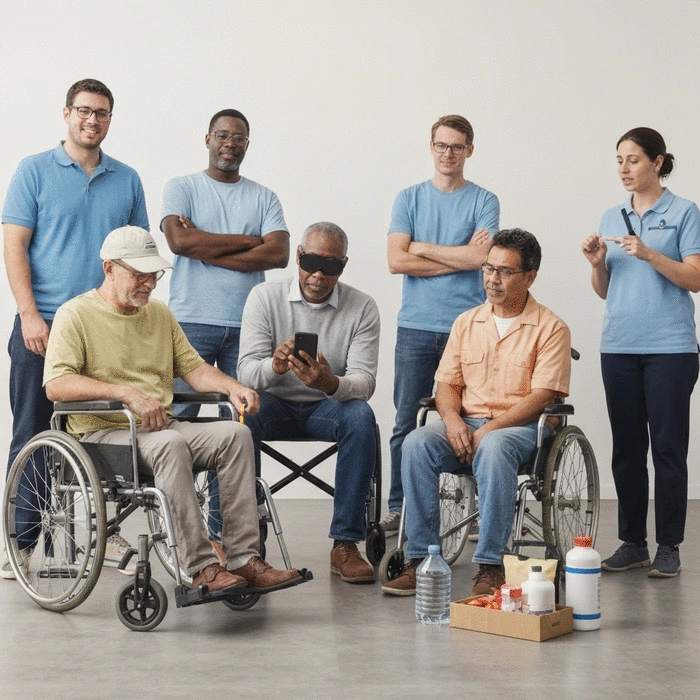
Diverse group of people, including individuals with disabilities, actively participating in a community workshop on disaster preparedness.
  • Identify your emergency contacts and keep them updated.
  • Gather essential supplies, including food, water, and medical needs.
  • Create a communication plan with your family and caregivers.
  • Develop a checklist tailored to your unique requirements.

Each of these steps will help you build a foundation that can keep you safe during the storm. Remember, the key to survival is in the preparation! The more you plan, the more peace of mind you’ll have when hurricane season hits.

Resources and Tools for Ongoing Support

As you dive into your preparedness journey, there are numerous resources available. It’s important to tap into these tools to stay informed and equipped. Here’s a list of valuable resources that can be a game-changer:

  • Local emergency management office websites
  • Disability advocacy organizations with hurricane preparedness guides
  • Mobile apps for real-time weather alerts
  • Community workshops on emergency planning

Utilizing these resources will help you navigate the complexities of hurricane preparedness. Stay connected! Engaging with local organizations can provide additional support and knowledge, ensuring you’re not alone in this process.

Connecting with Local Government Emergency Services

One of the best ways to enhance your hurricane preparedness is by connecting with local government emergency services. They have the most current information and resources tailored to your community's needs. Here are some steps to effectively engage with them:

  • Reach out to your county or city emergency management office.
  • Follow them on social media for updates and alerts.
  • Attend community meetings to learn about local emergency plans.
  • Ask about resources specifically for individuals with disabilities.

Engaging with these services helps ensure that your unique needs are addressed. Never underestimate the value of local support! They are there to help you prepare and respond effectively during hurricane events.

Empowering the Disability Community in Disaster Preparedness

Empowerment starts with sharing knowledge and experiences. Together, we can create a more resilient community when it comes to disaster preparedness. Let’s work together to ensure everyone is ready!

Sharing Experiences and Strategies for Better Preparedness

Personal stories and shared strategies can significantly enhance our collective understanding of hurricane preparedness. Consider forming a support group or attending local workshops where you can share your insights. Here are some ideas to get started:

  • Host community meetings focused on preparedness.
  • Share your own experiences on social media or local forums.
  • Participate in or lead preparedness training sessions.
  • Encourage feedback and tips from others in your community.

By sharing our experiences, we not only learn from one another but also foster a sense of community. Everyone’s story matters! Each shared experience can help someone else navigate their own preparedness journey.

Connect with Local Resources and Advocacy Groups

Connecting with local resources and advocacy groups is vital. These organizations are designed to support individuals with disabilities during emergencies. Here’s how you can make the most of these connections:

  • Research local advocacy groups focusing on disaster preparedness.
  • Attend their events for valuable information and networking.
  • Share their resources within your community.
  • Collaborate on initiatives aimed at improving disaster readiness.

Utilizing these connections can greatly enhance your preparedness efforts. Together, we can make a difference! Remember that advocacy is a powerful tool in ensuring that our community is informed and prepared for hurricanes.

The Importance of Community Engagement in Disaster Preparedness

Community engagement plays a critical role in disaster preparedness. The more involved we are, the better equipped we become to handle emergencies. Here’s why community engagement matters:

  • It builds a network of support for those in need.
  • It fosters collaboration and shared resources.
  • It enhances awareness of specific challenges faced by individuals with disabilities.
  • It promotes a culture of preparedness throughout the community.

Working together strengthens our collective resilience. Let’s harness the power of community! By involving ourselves in local efforts, we can create a safer environment for everyone, especially those who need it the most.

Recap of Key Points

Here is a quick recap of the important points discussed in the article:

  • Preparedness is essential for individuals with disabilities to navigate hurricane challenges effectively.
  • Identify specific evacuation needs and communication methods to ensure safety during emergencies.
  • Engage with disability advocacy organizations for tailored resources and training on hurricane preparedness.
  • Create a personalized hurricane safety plan that includes emergency contacts and essential supplies.
  • Utilize local resources and maintain connections with emergency services for real-time updates and support.

Subscribe & Share
2025 Hurricane Season Storm Tracker 2025 Hurricane Season Storm Tracker As we gear up for the 2025 hurricane season, understanding the timeline, storm names, and preparedne
Hurricane Path Projections Explained Hurricane Path Projections Explained As the intensity of hurricane seasons rises, knowing how to stay informed becomes essential. Real-ti
Hurricane Preparedness: Stay Informed Hurricane Preparedness: Stay Informed As the winds howl and the skies darken, the importance of reliable information during a hurricane ca
Banner
Hurricane News Today

Your go-to resource for live updates, breaking news, and comprehensive analysis of hurricanes worldwide. We help communities stay informed and prepared with our real-time alerts and in-depth safety resources.

Trusted by individuals and emergency responders, our mission is to provide timely and accurate hurricane information backed by seasoned meteorologists and cutting-edge storm tracking technology.

Learn More
Recent Posts
2025 Hurricane Season Storm Tracker 2025 Hurricane Season Storm Tracker

As we gear up for the 2025 hurricane season, under

Hurricane Path Projections Explained Hurricane Path Projections Explained

As the intensity of hurricane seasons rises, knowi

Hurricane Preparedness: Stay Informed Hurricane Preparedness: Stay Informed

As the winds howl and the skies darken, the import

Hurricane Preparedness Tips