Why Hurricane Preparedness Matters for Your Community
A well-prepared community recovers faster, ensures public safety through mutual aid, and optimizes emergency services' resource management. It's a collective effort for resilience.
Get Nolan Carter's live hurricane updates and expert forecasts delivered directly to your inbox.
Posted on: 2026-01-15
By: Nolan Carter
As hurricane season approaches, the safety of your community and family relies heavily on preparedness. Are you ready to take actionable steps to protect those you care about? Let's explore how understanding hurricane safety can empower you and your neighbors to stay safe and resilient.
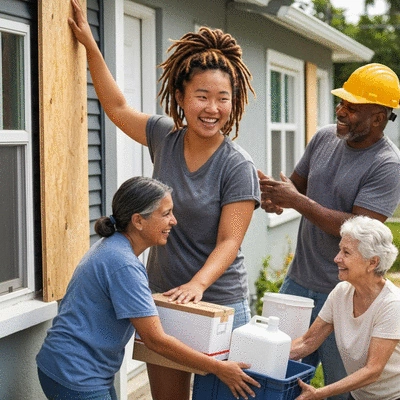
Proactive hurricane preparation involves both community engagement and fortifying your home. This visual outlines key actions for safeguarding your family and property.
As a seasoned meteorologist with over a decade of experience, I can’t stress enough the importance of hurricane preparedness in vulnerable areas. Communities close to coastlines are particularly at risk, and understanding how to stay safe during hurricane season can make a significant difference. By equipping ourselves with the right knowledge, we can empower not only our families but also our neighbors to take proactive measures against the unpredictable nature of hurricanes!
When a hurricane approaches, the scale of potential destruction can be daunting. However, being prepared means you can take actions that reduce risks. This preparation begins with understanding why it's crucial for your community to be ready for hurricanes.
Hurricane preparedness isn't just a personal responsibility; it’s a community effort. When a storm approaches, the more people are informed and prepared, the better off we all are. Here’s why preparedness matters:
Remember, it's not just about individual safety. It's about building a resilient community that can face hurricanes together. By sharing knowledge and resources, we can foster a culture of preparedness!
Local resources play a pivotal role in hurricane safety. They provide essential information and services that can help residents prepare for storms. Here are some key local resources to consider:
Utilizing these resources ensures that you and your community are not left in the dark during a storm. Make it a habit to connect with local services ahead of the hurricane season!
The Federal Emergency Management Agency (FEMA) offers valuable resources that can help enhance your hurricane preparedness efforts. Here’s how you can utilize FEMA and local emergency services:
By proactively engaging with FEMA and your local emergency services, you can create a solid foundation for hurricane preparedness in your community. Remember, your safety starts with being informed and connected!
How well-prepared do you feel for hurricane season? Share your thoughts with us! Is your community taking steps to enhance hurricane preparedness? Your insights can inspire others to take action. Let us know in the comments below!
Being prepared is crucial when it comes to hurricanes. At Hurricane News Today, we understand the importance of taking proactive steps to protect your family and property. By implementing essential preparations, you can significantly reduce the impact of a storm when it arrives. Let's dive into some effective strategies that can make a difference!
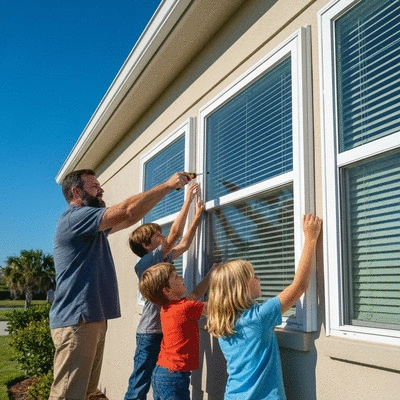
Hardening your home is one of the best defenses against hurricane damage. Here are some key techniques to consider:
Taking these measures not only enhances your home's safety but also provides peace of mind for you and your loved ones. Remember, investing in home hardening now can save you time and money later!
Storm shutters are a fantastic investment! They can be installed on your windows and doors, offering a strong barrier against hurricane winds. If you're opting for plywood, make sure you cut it in advance and have the necessary tools ready. If the storm is on its way, you won’t want to be scrambling for supplies!
Don’t underestimate the power of wind! Items like patio furniture, planters, and bicycles can easily become dangerous projectiles during a hurricane. Secure these items or store them inside to minimize damage and keep your neighborhood safe.
If you’re in the process of constructing your home, consider using hurricane-resistant materials. This could include reinforced roofing and impact-resistant windows. It’s a smart long-term investment that enhances your safety and may even save you on insurance costs!
Having an emergency kit can be your lifeline during a hurricane. Here’s what to include in your kit:
By assembling these items ahead of time, you can focus on keeping your family safe instead of scrambling for supplies at the last minute.
Here’s a deeper dive into your emergency kit essentials:
Even if you think you won't need it, having a well-stocked emergency kit is invaluable. Your preparedness can truly make a difference!
Consider the unique needs of your family. If you have elderly members or children, tailor your kit accordingly. And don’t forget about your pets! Ensure you pack food, water, and any medications they might need as well.
A solid first aid kit is crucial. Include band-aids, gauze, antiseptic wipes, and other supplies to handle minor injuries. Familiarize yourself with how to use the supplies, as this knowledge can be lifesaving during an emergency.
Not every hurricane allows you to stay at home, so having a clear evacuation plan is crucial. Consider these elements:
Planning ahead and discussing these routes with your family can help ensure a smoother evacuation process.
Familiarize yourself with the evacuation routes designated by local authorities. These are typically designed to keep you safe. Check your local news stations or websites for updated information before a storm arrives!
If your family includes elderly or disabled individuals, plan for their specific needs. Identify accessible transportation options and shelters that can accommodate them. Communication is key, so discuss these plans together!
Engaging with your community can enhance your evacuation plans. Attend local meetings, share resources, and even organize practice drills! When everyone in the community is prepared, the entire area becomes safer.
Hurricane preparedness is a community effort because when more individuals are informed and prepared, the entire community benefits. It leads to faster recovery, enhanced public safety through mutual aid, and more efficient resource management by emergency services. A collective approach fosters resilience, allowing the community to face hurricanes together.
A comprehensive emergency kit should include at least a three-day supply of water (one gallon per person per day) and non-perishable food. Other essential items are a first aid kit (with bandages, antiseptic, and prescription medications), flashlights and extra batteries, and copies of important documents such as insurance policies and identification. Don't forget items for special populations like elderly family members, children, and pets.
Effective home hardening techniques include installing storm shutters or using plywood to protect windows from flying debris. It's also crucial to secure all outdoor items like furniture, grills, and decorations to prevent them from becoming dangerous projectiles. For those building or renovating, consider hurricane-resistant construction materials and reinforced roofing to withstand high winds.
An effective evacuation plan should clearly outline local evacuation routes and identify community shelters. It's vital to plan for all family members, including pets and those with special needs, by identifying pet-friendly options and accessible transportation or shelters. Discussing these plans with your family and engaging with the community for shared safety can ensure a smoother evacuation process.
FEMA offers valuable resources, including guides for creating emergency plans and information on available local resources. Local emergency services can provide details on evacuation routes and shelters. You can also participate in community training programs offered by local agencies to enhance your preparedness skills. Staying informed through local government updates and engaging with these services proactively builds a strong foundation for safety.
Here is a quick recap of the important points discussed in the article: