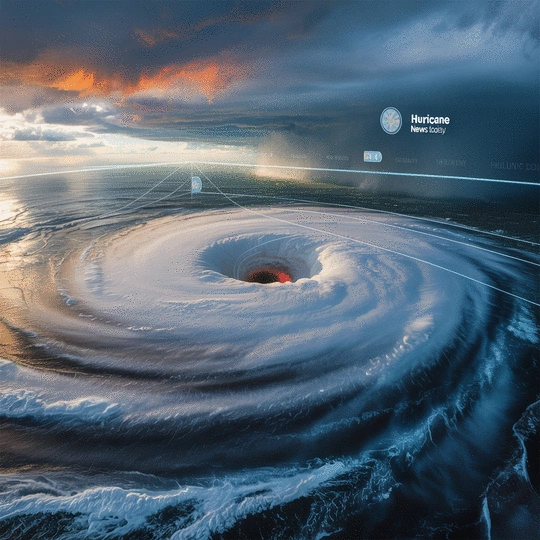
2025 Hurricane Season Key Dates
Posted on: 2026-05-10
By: Nolan Carter
As the hurricane season approaches, many people may find themselves wondering how best to prepare and stay informed. With the right tools and knowledge, you can safeguard your family and property during this unpredictable time.
What You Will Learn
- The hurricane season runs from June 1 to November 30, marking critical dates for preparation.
- Peak hurricane activity is expected from late August through early October, with September 10 being the most active day.
- Florida, Texas, and Louisiana are among the most vulnerable states, each with unique risks associated with hurricanes.
- Essential resources for preparation include downloadable peak activity calendars and emergency contact lists.
- A well-stocked hurricane preparedness kit should contain at least one gallon of water per person for three days and essential non-perishable food items.
- Stay informed by signing up for local alert systems and following trusted weather sources like NOAA and Hurricane News Today.
- Understanding the role of emergency management agencies can enhance your preparedness and response during a hurricane.
2025 Hurricane Season Overview and Preparedness
The 2025 hurricane season runs from June 1 to November 30, with peak activity expected from late August through early October. Below is a visual guide to key dates, at-risk locations, and essential preparedness steps.
Key Season Dates
- Official Start: June 1
- Official End: November 30
- Peak Activity: Late August - Early Oct
- Most Active Day: September 10
Key Locations at Risk
- Florida (Extensive coastline)
- Texas (Size & Gulf proximity)
- Louisiana (Prone to flooding)
- Other Gulf Coast States
Essential Preparedness Resources
- Peak Activity Calendars
- Risk Assessment Tools
- Emergency Contact Lists
- Community Workshops
Hurricane Preparedness Kit
- Water (1 gal/person/3 days)
- Non-perishable Food (3 days)
- First Aid Kit & Meds
- Flashlights & Batteries
Understanding the 2025 Hurricane Season: Key Dates and Locations
The 2025 hurricane season is upon us, running from June 1 to November 30. This timeline is crucial for anyone living in hurricane-prone areas, as it marks the period when tropical storms can develop into hurricanes. Staying informed during these months is essential to ensure safety and preparedness for you and your loved ones.
During this season, we will see a variety of storms, and our goal at Hurricane News Today is to keep you updated with the latest information, forecasts, and safety tips. Understanding the timeline helps you plan and prepare effectively, so let's dive into the specifics!
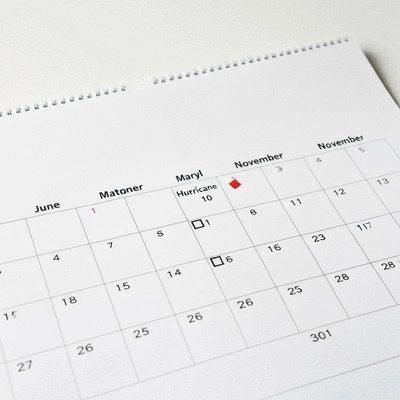
Overview of the 2025 Atlantic Hurricane Season
The Atlantic hurricane season is characterized by its unpredictable nature, but we can anticipate some patterns. The National Oceanic and Atmospheric Administration (NOAA) provides forecasts that help us understand potential storm developments throughout the season. Knowing these details can help you gauge when to be especially vigilant.
- June 1 marks the official start of the hurricane season.
- Late August through October typically sees the most activity.
- November 30 concludes the season, but storms can occur beyond this date.
By keeping track of these key dates, you can better prepare for the peaks in activity that define the season. Remember, preparation is not just about having supplies; it's about being informed and ready to act!
Peak Activity: When and Where to Expect Storms
The peak hurricane activity in 2025 is expected from late August through early October, with September 10 often recognized as the most active day of the season. During this time, atmospheric conditions are typically more favorable for storm formation. It's essential to stay alert as this period approaches, as storm systems can develop rapidly. For more detailed insights into historical and forecasted activity, you can refer to reports such as the Colorado State University forecast.
- Late August: Increased storm formation potential.
- September: Peak month with the highest likelihood of hurricanes.
- Early October: Continued risk before the season begins to wind down.
Being aware of these peak times will allow you to stay prepared and informed. At Hurricane News Today, we’ll offer regular updates and live alerts to keep you in the loop throughout these critical weeks!
Key Locations at Risk: Florida, Texas, and the Gulf Coast
This season, specific regions are likely to bear the brunt of hurricane activity. The areas most at risk include Florida, Texas, Louisiana, and other Gulf Coast states. Each of these locations has unique vulnerabilities that can affect how they respond to incoming storms. Understanding the specific risks for these regions can be aided by resources from organizations like the Center for Disaster Philanthropy, which often details regional vulnerabilities and recovery efforts.
- Florida: Known for its extensive coastline and frequent hurricane impacts.
- Texas: Vulnerable due to its size and proximity to the Gulf of Mexico.
- Louisiana: Prone to flooding, making storm surge a significant concern.
As we move forward into the 2025 season, my team and I at Hurricane News Today will provide targeted updates and safety information tailored to these areas. Being aware of your local risks can make all the difference in your preparedness efforts!
Interactive Poll: Your Preparedness Level
As we approach the 2025 hurricane season, we want to know how prepared you feel. Share your thoughts below:
Preparing for Hurricane Season: What You Need to Know
As we gear up for the hurricane season, preparation is critical! At Hurricane News Today, we want to equip you with the right tools and information to stay safe. Knowing what to prepare can make all the difference when a storm approaches.
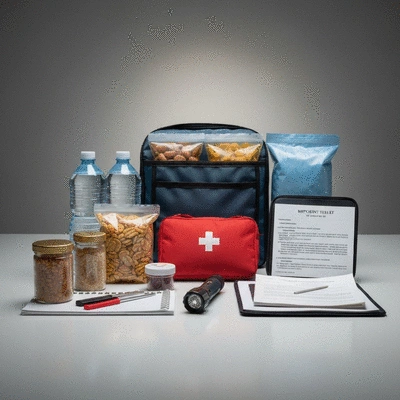
Essential Resources for Hurricane Season Preparation
Having access to reliable resources is key for residents in vulnerable areas. Here are some invaluable tools you should consider:
- Downloadable Peak Activity Calendars: These will help you keep track of the busiest hurricane periods.
- Risk Assessment Tools: Assess your area's vulnerability and prepare accordingly.
- Emergency Contact Lists: Create and update a list of contacts for family and emergency services.
- Community Preparedness Workshops: Participate in local events to gain knowledge and resources.
By utilizing these resources, you can enhance your readiness for the hurricane season, giving you peace of mind when storms are on the horizon!
Hurricane Preparedness Kits: What to Include
One of the most critical aspects of being prepared is having a well-stocked hurricane preparedness kit. Here's a list of essential items to include:
- Water: At least one gallon per person for three days.
- Non-perishable Food: Enough for at least three days; think canned goods, granola bars, and dried fruits.
- First Aid Kit: Include antiseptics, bandages, and any necessary medications.
- Flashlights and Batteries: Power outages are common during storms.
- Multi-tool or Swiss Army knife: Great for various situations.
- Important Documents: Keep copies of IDs, insurance policies, and medical information.
Regularly check your kit to ensure everything is up-to-date. Remember, being ready means you’re less stressed when a storm approaches!
Staying Informed During the Season
Remaining updated is crucial during the hurricane season. I recommend regularly checking resources like the NOAA and local news for real-time information. Here are some tips for staying informed:
- Sign up for Alert Systems: Use local alerts or apps to get immediate notifications regarding storms.
- Follow Trusted Sources: Stick with reputable weather services, including Hurricane News Today, for accurate updates.
- Listen to NOAA Weather Radio: This provides continuous broadcasts of weather information.
- Engage with Community Groups: Social media groups can often relay live experiences and advice.
Staying connected with reliable sources can empower you to make informed decisions when it matters most!
Understanding Emergency Management Agencies and Their Role
It's essential to know how emergency management agencies function and how they can assist you during a hurricane. Below are the main roles of agencies like FEMA and your local emergency management team:
- Disaster Response Coordination: They organize resources and logistics during a crisis.
- Public Safety Information: Providing updates and guidance on safety protocols.
- Recovery Resources: Assisting communities and individuals in recovering post-storm.
- Training and Preparedness Programs: Offering workshops and materials to help you get ready.
Understanding the role of these agencies can help you navigate the complexities of disaster preparedness and response more effectively.
Frequently Asked Questions About Hurricane Preparedness
Here are some common questions to help you prepare for hurricane season:
- When does the 2025 hurricane season officially begin and end?
The 2025 hurricane season officially runs from June 1 to November 30. - When is the peak hurricane activity expected?
Peak hurricane activity is expected from late August through early October, with September 10 often being the most active day. - Which states are most at risk during the hurricane season?
Florida, Texas, and Louisiana are among the most vulnerable states, along with other Gulf Coast states. - What are the essential items to include in a hurricane preparedness kit?
A well-stocked kit should include at least one gallon of water per person for three days, non-perishable food for three days, a first aid kit, flashlights with batteries, a multi-tool, and important documents. - How can I stay informed about hurricane developments?
You can stay informed by signing up for local alert systems, following trusted weather sources like NOAA and Hurricane News Today, listening to NOAA Weather Radio, and engaging with community groups. - What role do emergency management agencies play during a hurricane?
Emergency management agencies coordinate disaster response, provide public safety information, offer recovery resources, and conduct training and preparedness programs.
Recap of Key Points
Here is a quick recap of the important points discussed in the article:
- The 2025 hurricane season runs from June 1 to November 30, with peak activity expected from late August through early October.
- Key dates to remember include September 10, often the most active day of the season.
- Areas most at risk include Florida, Texas, and Louisiana, each with unique vulnerabilities.
- Essential preparation resources include downloadable peak activity calendars and emergency contact lists.
- A well-stocked hurricane preparedness kit should contain water, non-perishable food, a first aid kit, and important documents.
- Stay informed by signing up for local alerts and following trusted weather sources like Hurricane News Today.
- Understand the roles of emergency management agencies to navigate disaster preparedness effectively.
 As we gear up for the 2025 hurricane season, understanding the timeline, storm names, and preparedne
 As the intensity of hurricane seasons rises, knowing how to stay informed becomes essential. Real-ti
 As the winds howl and the skies darken, the importance of reliable information during a hurricane ca