Stay Ahead of the Storm!

Get Nolan Carter's live hurricane updates and expert forecasts delivered directly to your inbox.

2025 Hurricane Season Predictions


2025 Hurricane Season Predictions

Posted on: 2026-02-06
By: Nolan Carter


As the 2025 hurricane season approaches, understanding the forecasts is more crucial than ever. These predictions can shape our preparedness and enhance community safety. Consider this: being informed about hurricane activity can make the difference between chaos and calm when storms hit.

What You Will Learn

  • Expect 14-20 named storms and 7-10 hurricanes, with 2-4 classified as major hurricanes this season.
  • Pre-season forecasts rely on historical data, while post-season adjustments reflect real-time atmospheric changes.
  • Warm sea surface temperatures and low wind shear are key factors influencing hurricane development and intensity.
  • Regular updates from the National Hurricane Center are essential for accurate predictions and effective preparedness.
  • Stay aware of environmental factors like ENSO conditions and sea surface temperatures to better anticipate storm behavior.
  • Utilize digital resources, such as interactive tracking maps and emergency preparedness apps, to enhance your readiness.
  • Engaging with local authorities ensures you receive timely information about evacuations, shelters, and safety protocols.

2025 Hurricane Season Forecast: Key Predictions & Factors

Below is a summary of the 2025 hurricane season forecasts from NOAA and CSU, highlighting the projected activity and the critical environmental factors influencing storm development. This visual aims to provide a clear, side-by-side comparison for better preparedness.

NOAA & CSU Predictions

NOAA Forecast:

  • 14-20 Named Storms

CSU Forecast:

  • 7-10 Hurricanes
  • 2-4 Major Hurricanes

Both predict above-average activity.

Key Influencing Factors

Warm Sea Surface Temperatures

Provide energy for storm development, indicating more active seasons.

Weak Wind Shear

Allows storms to grow without disruption, reducing dissipation.

ENSO Conditions (El Niño/La Niña)

Significant influence on storm patterns; shifts are closely monitored.

Understanding the 2025 Hurricane Season Forecasts

As we gear up for the 2025 hurricane season, understanding forecasts can help us all prepare better. Organizations like NOAA and CSU provide valuable insights into what we can expect. Their predictions not only guide individuals but also help communities and authorities plan for potential impacts. Let’s dive into the key predictions that will shape our preparedness this year!

Key Predictions from NOAA and CSU for Atlantic Hurricane Activity

NOAA (National Oceanic and Atmospheric Administration) and CSU (Colorado State University) are at the forefront of predicting the Atlantic hurricane activity. According to their latest forecasts, we can anticipate a season with above-average activity. They project the formation of several named storms, hurricanes, and potentially major hurricanes. For a graphical representation of NOAA's outlook, you can refer to their Hurricane Outlook.

  • NOAA predicts 14-20 named storms.
  • CSU anticipates 7-10 hurricanes, with 2-4 reaching major hurricane status.
  • Both organizations emphasize the importance of monitoring conditions closely throughout the season.
Satellite view of a hurricane forming over the ocean

These predictions are crucial because they remind us to stay informed. The numbers may vary, but being prepared is always a wise approach. As a meteorologist, I've seen firsthand how these forecasts impact community readiness!

Comparison of Pre-season and Post-season Predictions

It's fascinating to observe how forecasts change once hurricane season progresses. Typically, pre-season predictions are made based on historical data and current environmental conditions. However, as the season unfolds, factors like atmospheric pressure and sea temperatures can shift, leading to updated predictions.

  • Pre-season forecasts set expectations based on initial conditions.
  • Post-season adjustments reflect real-time developments and emerging patterns.
  • Monitoring these changes helps communities stay agile in their preparations.

By staying tuned to the evolving forecasts, you can make informed decisions, ensuring that you're always one step ahead of the storm. This adaptability is key to safety during hurricane season!

The Role of Warm Sea Surface Temperatures and Weak Wind Shear

Two critical factors in hurricane formation are warm sea surface temperatures and weak wind shear. When ocean temperatures rise, they provide the energy necessary for storms to develop. Similarly, low wind shear allows storms to grow without disruption.

  • Warm waters typically indicate more active hurricane seasons.
  • Weak wind shear reduces the chance of storms weakening or dissipating.
  • Monitoring these elements can help us predict where storms might form.

Understanding these dynamics is essential for anyone who wants to stay informed about hurricane activity. At Hurricane News Today, we keep a close watch on these indicators so that we can share timely updates with you!

Insights from the National Hurricane Center on Seasonal Forecasting

The National Hurricane Center (NHC) plays a pivotal role in forecasting and monitoring hurricanes. Their insights are invaluable, especially as we dive into the 2025 hurricane season. The NHC uses advanced models and real-time data to predict hurricane paths and intensities.

  • The NHC recommends checking their updates regularly for the most accurate information.
  • They stress the importance of preparedness, regardless of the forecast.
  • Utilizing their resources can greatly enhance individual and community safety.

As a passionate advocate for public safety, I encourage everyone to stay connected with the NHC. Their updates can be a lifeline, providing critical information you need to make informed decisions during the storm season!

Factors Influencing Hurricane Activity in 2025

With the initial forecasts set, it’s important to look at the factors that will influence activity this year. Understanding these elements helps us grasp why certain seasons may be more active than others. Let’s break down some key influences!

Pro Tip

When preparing for hurricane season, consider creating a family communication plan. Ensure every member knows how to reach each other and where to meet if evacuation becomes necessary. This simple step can significantly reduce panic and confusion during a storm!

Frequently Asked Questions About the 2025 Hurricane Season

What are the key predictions for the 2025 hurricane season?
NOAA forecasts 14-20 named storms, while CSU predicts 7-10 hurricanes, with 2-4 reaching major hurricane status. Both anticipate an above-average season.
How do pre-season and post-season forecasts differ?
Pre-season forecasts are based on historical data and initial environmental conditions, while post-season adjustments reflect real-time atmospheric changes and evolving patterns as the season progresses.
What are the main environmental factors influencing hurricane activity?
Warm sea surface temperatures (providing energy for storms) and weak wind shear (allowing storms to grow without disruption) are critical factors. ENSO conditions (El Niño/La Niña) also significantly influence storm patterns.
Where can I find the most accurate and up-to-date hurricane information?
The National Hurricane Center (NHC) is a primary source for accurate forecasting and monitoring. Regular updates from NOAA and CSU are also vital for informed preparedness.
What steps can I take to prepare for the hurricane season?
Gather supplies for an emergency kit, check local preparedness guides, stay informed through trusted sources, utilize interactive tracking maps and emergency apps, and engage with local authorities for updates on evacuations and shelters.

Summarizing Key Insights from the 2025 Hurricane Season Forecast

As we gear up for the 2025 hurricane season, understanding the major forecasts and influential factors is crucial for safety and preparedness. Key predictions from organizations like NOAA and CSU have indicated an active season ahead. Keeping an eye on these insights will help us stay informed and ready to take action.

Here are some major predictions and factors to monitor this season:

  • Active Atlantic hurricane activity, with increased storm frequency expected.
  • Influence of warm sea surface temperatures on storm intensity.
  • Potential impacts from the Atlantic Multi-decadal Oscillation (AMO).
  • Variations in wind shear patterns that could alter hurricane paths.
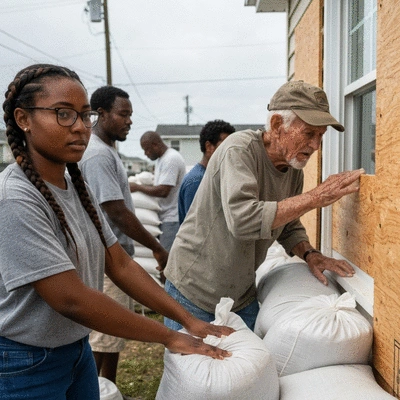
Community members preparing for a hurricane, securing their homes

Being aware of these predictions allows us to prepare effectively. This knowledge empowers communities to make informed decisions, ensuring we are not caught off-guard when a storm approaches!

Review of Major Predictions and Factors to Monitor

When looking at the forecasts for the 2025 hurricane season, several critical factors must be monitored closely. I often emphasize the importance of real-time data, as it can make all the difference in how we respond to storms.

  • ENSO Conditions: Watch for shifts between El Niño and La Niña, which greatly influence storm patterns.
  • Sea Surface Temperatures: Warm waters can fuel stronger storms, making it vital to track temperature changes.
  • Atmospheric Conditions: Changes in wind shear can either inhibit or enhance hurricane development.

By staying updated on these factors, we can better anticipate the behavior of hurricanes and take appropriate precautions. Remember, knowledge is our strongest ally when it comes to hurricane preparedness!

The Role of Meteorological Models in Predicting Hurricane Behavior

Meteorological models play a pivotal role in forecasting hurricane behavior. These sophisticated tools analyze vast amounts of data to simulate possible storm paths and intensities. At Hurricane News Today, we rely on these models to provide you with accurate and timely updates.

Here’s why these models are essential:

  • They incorporate various meteorological elements, including temperature, pressure, and humidity.
  • They help predict storm trajectories, allowing us to issue warnings for affected areas.
  • They improve over time, using historical data to enhance future forecasts.

Understanding how these models work can help you interpret forecasts more effectively. With this knowledge, we can better prepare our families and communities for the challenges ahead!

Taking Action: How to Stay Prepared for Hurricane Season

Preparation is key when it comes to hurricanes. As the season approaches, I encourage everyone to take proactive steps toward safety. This includes utilizing available resources and engaging with local authorities for the latest updates.

Here are actionable steps you can take to ensure you're ready:

  • Gather supplies for an emergency kit, including water, food, and medications.
  • Check local resources for hurricane preparedness guides and evacuation routes.
  • Stay informed through trusted sources like Hurricane News Today for real-time updates.

Being proactive in your preparation can significantly reduce risk and stress when storms impact our communities. Let’s work together to stay safe this hurricane season!

Utilizing Resources and Tools for Hurricane Preparation

In today’s digital age, we have access to a wealth of resources that can aid in hurricane preparation. At Hurricane News Today, we aim to be your go-to source for all things related to storm tracking and safety.

Consider these tools to enhance your preparedness:

  • Interactive Tracking Maps: Use our live maps to monitor storm developments and paths.
  • Emergency Preparedness Apps: Download apps that provide alerts and safety tips tailored to your location.
  • Community Forums: Engage with local groups to share insights and resources related to hurricane preparedness.

By leveraging these resources, you can ensure that you and your loved ones are well-prepared for whatever the season may bring!

Engaging with Local Authorities for Updated Information

Staying connected with local authorities is crucial during hurricane season. They provide the most relevant and timely information about evacuations, shelters, and emergency services. I always recommend that individuals establish a communication plan with local officials.

Here are some effective ways to engage:

  • Attend community meetings focused on hurricane preparedness.
  • Follow local government social media pages for real-time updates.
  • Sign up for alerts from local emergency management agencies.

Active engagement with local authorities can provide peace of mind and ensure you receive vital information when it matters most!

Understanding Evacuation Routes and Community Outreach Programs

Knowing evacuation routes and community outreach programs is essential for effective hurricane preparedness. In times of crisis, having a clear plan can save lives and reduce panic.

Consider the following when planning your evacuation:

  • Familiarize yourself with designated evacuation routes in your area.
  • Participate in local outreach programs that educate residents about emergency procedures.
  • Keep an updated list of contacts for assistance and local shelters.

Understanding these elements enhances your readiness and ensures you’re equipped to make informed decisions during a hurricane event. Stay safe, and let’s work together to keep our communities resilient!

Recap of Key Points

Here is a quick recap of the important points discussed in the article:

  • Expect an active 2025 hurricane season with NOAA predicting 14-20 named storms and CSU forecasting 7-10 hurricanes.
  • Monitor warm sea surface temperatures and weak wind shear as they significantly influence storm formation and intensity.
  • Stay updated on pre-season and post-season forecasts to adapt your preparedness plans accordingly.
  • Utilize resources from the National Hurricane Center for accurate information and safety tips.
  • Engage with local authorities for real-time updates on evacuations and shelters to ensure community safety.

Subscribe & Share
Cyclone Forecasting: Challenges and Innovations Cyclone Forecasting: Challenges and Innovations Did you know that advancements in technology are reshaping the way we forecast tropical cyclones? Fr
Current Hurricane Threats Today Current Hurricane Threats Today In times of hurricane threats, staying informed can be the difference between safety and disaster. A
Understanding Hurricane Tracking Tools Understanding Hurricane Tracking Tools As hurricane season approaches, understanding the tools that track these powerful storms becomes ess
Banner
Hurricane News Today

Your go-to resource for live updates, breaking news, and comprehensive analysis of hurricanes worldwide. We help communities stay informed and prepared with our real-time alerts and in-depth safety resources.

Trusted by individuals and emergency responders, our mission is to provide timely and accurate hurricane information backed by seasoned meteorologists and cutting-edge storm tracking technology.

Learn More
Recent Posts
Cyclone Forecasting: Challenges and Innovations Cyclone Forecasting: Challenges and Innovations

Did you know that advancements in technology are r

Current Hurricane Threats Today Current Hurricane Threats Today

In times of hurricane threats, staying informed ca

Understanding Hurricane Tracking Tools Understanding Hurricane Tracking Tools

As hurricane season approaches, understanding the

Hurricane Preparedness Tips