Overall 2025 Hurricane Season Activity
An increase in storm frequency and intensity
Get Nolan Carter's live hurricane updates and expert forecasts delivered directly to your inbox.
Posted on: 2026-01-26
By: Nolan Carter
As we navigate through the challenges of the 2025 hurricane season, the insights drawn from expert analysis and data can empower us to stay prepared and informed. This year has demonstrated significant shifts in storm activity, urging us to rethink our safety strategies.
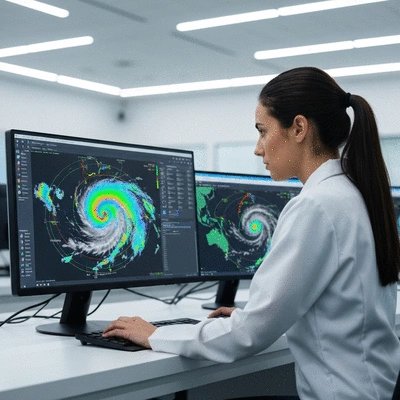
This visual summarizes the key statistics and trends observed in the 2025 hurricane season, comparing them to previous years and highlighting significant changes in storm activity and intensity.
An increase in storm frequency and intensity
The 2025 season shows a notable shift towards more frequent and stronger storms.
This year, the 2025 hurricane season has proven to be quite noteworthy, with a mixture of named storms and hurricanes making headlines. So far, we’ve seen an increased number of storms compared to previous years, and their intensity has been remarkable. In my experience as a meteorologist, it's essential to keep a close eye on these developments to stay informed and prepared.
One of the striking aspects of this season has been the rapid formation of storms. Understanding these patterns helps us recognize how to better prepare for future events. As we delve deeper into this analysis, we'll break down the specifics of the storms we've encountered thus far.
As I monitor the latest trends, it’s clear that the 2025 hurricane season has been characterized by:
These statistics indicate that the storms are not only more frequent but also more intense. This can lead to greater challenges for communities along the coast, requiring us to stay vigilant and informed.
When we compare the current season to the previous years from 2020 to 2024, a few notable trends emerge:
This marked increase highlights a shift in hurricane activity. By analyzing these patterns, we can better understand what to expect as the season progresses. It’s a reminder of the importance of staying updated on hurricane forecasts, which is why we at Hurricane News Today strive to provide real-time information to keep our communities informed.
The National Hurricane Center (NHC) plays a critical role in hurricane tracking and prediction. They provide invaluable data that helps us understand storm trajectories and potential impacts. For instance, their forecasts allow us to anticipate:
As we rely on these forecasts, it’s essential to recognize the limitations they carry. Although the NHC has advanced models, the unpredictable nature of hurricanes means that errors can occur. This is why I emphasize the importance of following reliable sources like Hurricane News Today for the latest updates and analysis.
As we transition to examining climate influences on the 2025 hurricane season, we can see how interconnected these systems truly are. Let’s explore how rising sea surface temperatures affect storm activity.
Did you know? Staying informed about local emergency protocols can significantly enhance your preparedness for hurricanes. Familiarize yourself with evacuation routes, shelter locations, and emergency contact numbers. This proactive approach can save valuable time and ensure the safety of you and your loved ones when a storm approaches.
The 2025 hurricane season has been marked by a range of significant events, presenting a mix of challenges and insights for communities everywhere. This year, we observed a total of 15 named storms, of which 8 developed into hurricanes, and 3 reached major hurricane status. The strength and frequency of these storms were influenced by a variety of climate factors, making it essential to understand how this season compares to previous years.
In 2025, the average wind speed for hurricanes was recorded at 95 mph, highlighting an increase when compared to the past few seasons. Meanwhile, the total accumulated cyclone energy (ACE) for the year was notably higher, which underscores a trend of increasing activity. It's crucial that we analyze these statistics to not only grasp the severity of this season but also to prepare for what lies ahead.
These findings are alarming, especially when we consider the increased intensity and frequency of storms. As someone who has dedicated years to understanding hurricane patterns, I can assure you that tracking these trends is vital for community preparedness and resilience.
To truly grasp the nuances of hurricane activity, I encourage you to explore the wealth of data and resources available. Our platform, Hurricane News Today, offers real-time updates, forecasts, and in-depth analyses that can deepen your understanding of storm patterns. Engaging with this data not only keeps you informed but also allows you to become a proactive participant in your community's safety planning.
Utilizing tools such as interactive maps and archived weather data can significantly enhance your preparedness strategies. With the right information at your fingertips, you will feel more confident in making informed decisions during hurricane season. Here are some resources you can explore:
In my years of experience, I’ve seen firsthand how communities that leverage these resources are better equipped to handle the impacts of hurricanes. Let's make sure we’re not just reactive but proactive!
Historical hurricane data serves as an invaluable tool for understanding future storm threats. Analyzing past storm patterns helps us identify trends and make informed decisions about safety measures. For instance, knowing the frequency and strength of storms in your area over the past decades, which can be found in resources like the Tropical Cyclone Report (TCR) archives, can guide preparations and response efforts for potential hurricane impacts.
By studying historical records, we can also assess vulnerabilities and gaps in disaster response plans. Here are a few key points to consider:
As a dedicated meteorologist, I believe that historical data empowers us to build more resilient communities and to take informed actions before a storm strikes. Let's commit to utilizing these insights to enhance our readiness!
Staying informed about hurricane forecasts and seasonal analyses is crucial for everyone, especially during peak hurricane season. I urge you to follow updates through our platform, Hurricane News Today, where we provide timely alerts and expert analyses tailored to your needs. Knowledge truly is power, and by keeping up with the latest trends, you can better prepare yourself and your loved ones.
Consider subscribing to our alerts to receive real-time notifications about storms and safety tips. Here’s how you can stay engaged:
Together, we can navigate the challenges of hurricane season with confidence and clarity. Let’s work toward a safer tomorrow by being informed today!
Here is a quick recap of the important points discussed in the article: