Warmer Ocean Temperatures
Fuel stronger, longer-lasting storms
Get Nolan Carter's live hurricane updates and expert forecasts delivered directly to your inbox.
Posted on: 2026-04-02
By: Nolan Carter
The 2025 hurricane season is set to be one of unprecedented challenges, shaped significantly by climate change. With each storm season, understanding the evolving dynamics of hurricanes becomes critical for preparedness. Here’s what you’ll learn from this article to better equip yourself for the storms ahead.
The following visual outlines how climate change influences hurricane characteristics, focusing on the 2025 season projections.
Fuel stronger, longer-lasting storms
Warmer waters lead to more powerful storms that persist.
Fewer but significantly stronger, more destructive storms.
Alters storm paths and intensifies localized impacts.
As we dive into the upcoming hurricane season, it's essential to understand how climate change is reshaping the characteristics of hurricanes. The alarming rise in global temperatures is not just a statistic; it has real implications for storm intensity and frequency. With each passing year, we witness an undeniable correlation between warming oceans and stronger hurricanes. This year, as we look ahead to the 2025 season, the stakes are higher than ever.
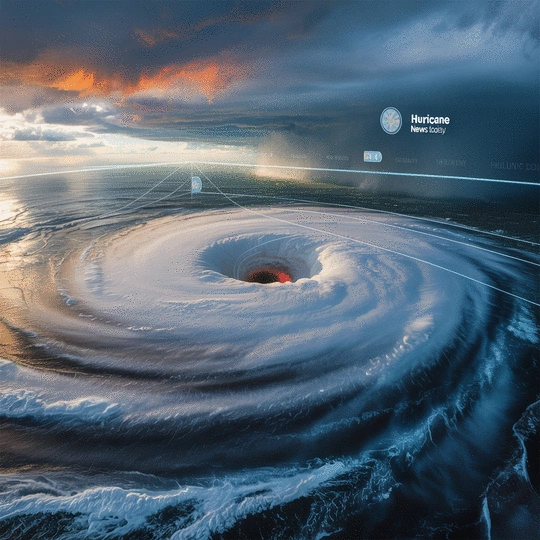
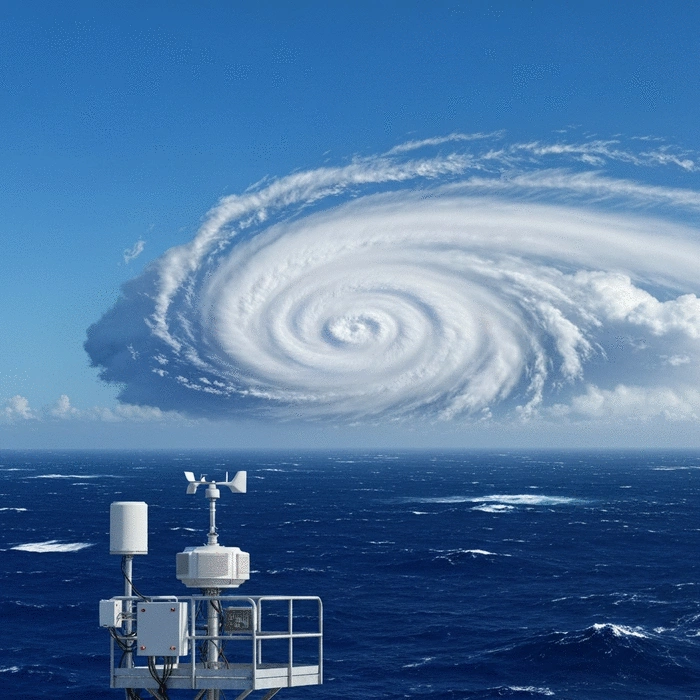
Warmer ocean temperatures can significantly enhance hurricane intensity. As sea surface temperatures (SST) rise, they provide more energy for storms to develop and strengthen. This phenomenon is critical in hurricane formation, and is at the forefront of meteorological research. Understanding this link is vital for both individual and community preparedness, which we discuss further throughout this article! For more detailed insights into how climate change fuels these events, you can refer to resources like Climate Central's analysis on hurricanes and climate change.
The relationship between ocean temperature and hurricane formation is clear. Higher SST leads to stronger storms, and with climate change accelerating this warming, we can expect a noticeable impact during the 2025 hurricane season. Research indicates that in warmer waters, hurricanes can gain strength more rapidly and maintain their intensity for longer periods. Here are some key effects of warmer ocean temperatures:
This trend not only affects how hurricanes form but also alters their paths and impacts. Being aware of these changes can better prepare communities and individuals to respond effectively as the season unfolds. The National Oceanic and Atmospheric Administration (NOAA) provides comprehensive data on the economic impacts of these severe weather events, highlighting the increasing costs associated with stronger storms. You can find more information about these trends and their financial implications on the NOAA National Centers for Environmental Information website.
One of the most concerning trends we've observed is the emergence of fewer, but significantly stronger storms. The 2025 hurricane season is projected to see an unprecedented occurrence of Category 5 hurricanes, which are the most destructive storms on the Saffir-Simpson scale. This phenomenon has led to heightened concern among meteorologists and communities alike.
With advancements in tracking and analysis, we can now predict these storms more accurately. This allows us to prepare for the worst while hoping for the best. Here are some reasons why we are witnessing this shift:
As we brace for the 2025 season, it’s crucial to recognize this trend and prepare accordingly. The devastation caused by Category 5 storms is profound, and understanding the underlying causes can help communities develop effective emergency strategies. For a detailed forecast and further research, you can consult sources like Colorado State University's predictions for the Atlantic hurricane season.
In addition to warmer sea temperatures, changing ocean currents also play a critical role in hurricane formation. Global warming is altering these currents, impacting how hurricanes develop and move across the ocean. This shift can lead to unpredictable storm paths and intensified impacts, particularly for coastal communities.
Understanding ocean currents allows us to predict where hurricanes may form and how they will behave. Here are some factors to consider:
As a meteorologist, I've seen firsthand how these changes affect our predictions. Staying informed about ocean current patterns is key to effectively preparing for hurricane impacts.
Did you know? Preparing an emergency kit with essential supplies can significantly enhance your readiness for the hurricane season. Include items such as bottled water, non-perishable food, flashlights, batteries, and a first-aid kit. Regularly check and update your supplies to ensure they're always ready when you need them!
As we reflect on the intricate relationship between climate change and hurricanes, it's clear that 2025 is poised to be a year of significant challenges. Warmer ocean temperatures, rising sea levels, and shifting weather patterns all contribute to a more intense hurricane season. Notably, we've seen a trend toward fewer but significantly stronger storms, including the alarming rise of Category 5 hurricanes. Understanding these dynamics is crucial for our communities to prepare effectively and respond to the impending threats.
The findings of the report illustrate how climate change intensifies hurricanes, leading to more destructive events that threaten lives and property. With communities like ours at the forefront of these storms, it’s essential that we take proactive measures to safeguard against their impacts.
A1: Climate change leads to warmer ocean temperatures, which provide more energy for hurricanes to develop, intensify rapidly, and sustain their strength for longer periods. This results in stronger and more destructive storms.
A2: The 2025 hurricane season is projected to see an unprecedented occurrence of Category 5 hurricanes. This trend indicates fewer but significantly stronger and more destructive storms.
A3: Global warming alters ocean currents, which can lead to unpredictable storm paths and intensified localized impacts. Warm currents can enhance storm development, while shifts in currents can affect storm trajectory and increase flooding in vulnerable areas.
A4: Communities should stay informed about hurricane forecasts, participate in local preparedness initiatives, attend workshops on emergency planning, and advocate for climate resilience policies. Preparing an emergency kit with essential supplies is also crucial.
A5: Climate advocacy is crucial for shaping policies that address the root causes of climate change, which in turn influences hurricane intensity. This includes supporting initiatives to reduce carbon emissions, engaging policymakers for infrastructure improvements, and pushing for funding for community education on climate resilience.
Now more than ever, it’s vital for individuals and communities to stay informed about hurricane forecasts and preparedness strategies. Here’s how you can take action:
By actively engaging in these actions, we not only prepare ourselves but also contribute to a collective effort to face the looming hurricane threats. Remember, knowledge is your best defense!
Climate advocacy plays a crucial role in shaping policies that address the root causes of climate change, which in turn affects hurricane intensity. Advocating for change can take many forms:
As we continue to navigate these turbulent times, advocating for sound climate policies can help mitigate the devastating effects of hurricanes. Let’s remember that every small action counts toward a larger purpose—creating a safer, more resilient future for our communities.
Here is a quick recap of the important points discussed in the article: