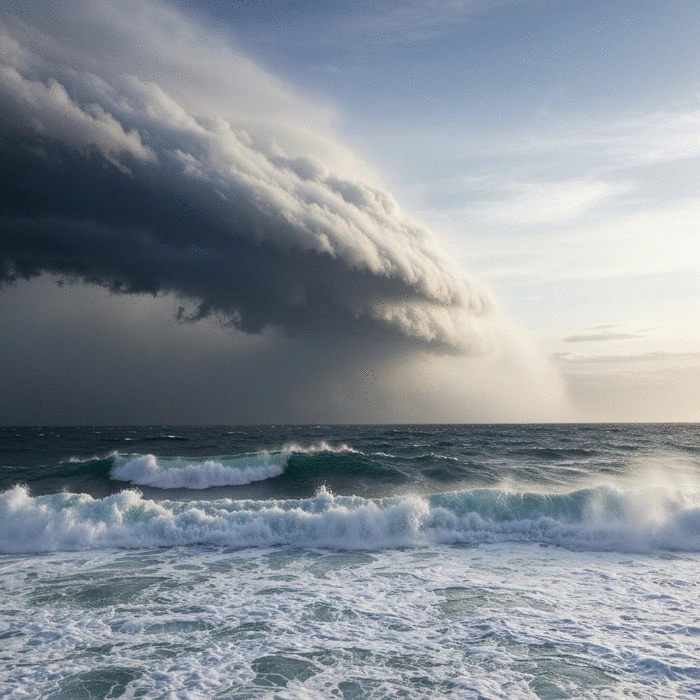
Season Overview: Low Frequency, High Intensity
8 Named Storms (Lower than average)
5 Hurricanes (High intensity)
2 Major Hurricanes (Alarmingly high)
A stark contrast to historical patterns.
Get Nolan Carter's live hurricane updates and expert forecasts delivered directly to your inbox.
Posted on: 2026-06-25
By: Nolan Carter
The unique intensity pattern of the 2025 hurricane season illustrates a crucial shift in storm behavior that demands our attention. As communities prepare for future seasons, understanding these dynamics is not just informative—it's essential for safety.
The 2025 hurricane season presented a unique pattern of high intensity despite a low number of named storms. This visual highlights key statistics and climate drivers influencing this trend.
8 Named Storms (Lower than average)
5 Hurricanes (High intensity)
2 Major Hurricanes (Alarmingly high)
A stark contrast to historical patterns.
Above-Average Sea Surface Temperatures (SST): Warmer waters provide energy for strengthening storms.
El Niño Conditions: Influenced storm trajectories and potentially wind shear.
Low Wind Shear: Facilitated rapid intensification of numerous storms.
Crucial factors for advanced forecasting.
The 2025 hurricane season has presented us with an intriguing paradox: while the overall number of hurricanes has been low, the intensity of those that did form has been alarmingly high. This unique situation has led to increased scrutiny and analysis, as communities and experts alike seek to understand the implications of such intensity amid a lower frequency of storms. It's crucial for us to stay informed and adapt, as the future could hold even more surprises!
In this article, we’ll explore the findings from this season, looking at how the intensity pattern has unfolded and what it might mean for our preparedness efforts moving forward.
This season, as detailed in reports from the National Hurricane Center (NHC), we saw only 8 named storms, but 5 of them intensified into hurricanes, with 2 reaching major hurricane status. This intensity starkly contrasts with the historical averages, which typically feature a higher number of storms but with less severe impacts. Understanding this anomaly is essential for ensuring community safety and readiness.
With these factors in mind, we need to adjust our perception of hurricane seasons. A lower number of storms does not equate to reduced risk, especially when the storms that do form carry such potential for devastation.
Recent research has provided critical insights into the intensity of hurricanes during the 2025 season. Studies show that the average hurricane intensity has been escalating, raising concerns about future storm patterns. Comparing this to historical data reveals a significant shift in the dynamics of storm formation and intensity.
As we analyze this data, we must consider how these trends affect our preparedness and response strategies. Each season brings new challenges, and understanding these shifts can help us better equip our communities for what's ahead.
It's essential to delve into the climate drivers shaping hurricane intensity in 2025. Various factors, such as sea surface temperatures (SST), the ENSO phenomenon, and prevailing ocean temperatures and wind shear, play pivotal roles in determining how storms will form and intensify.
By understanding these elements, we can enhance our forecasting capabilities and community preparedness efforts at Hurricane News Today.
Above-average sea surface temperatures have been identified as a crucial factor in hurricane intensification. Warmer waters provide the energy needed for storms to strengthen, making SST a vital area to monitor during hurricane seasons. In 2025, we observed significant SST anomalies that fueled the intensity of the storms that formed.
As we look ahead, it's clear that tracking these temperature changes will be fundamental to our safety and preparedness strategies.
The El Niño and La Niña phenomena have played significant roles in shaping the behavior of storms during the 2025 season. These oscillations impact global weather patterns, influencing hurricane formation and intensity. This season, the El Niño conditions were observed to have a notable effect on storm trajectories, as further explained in resources like the Wikipedia overview of the 2025 Atlantic hurricane season.
By comprehending how El Niño and La Niña influence storm behavior, we can enhance our response strategies and better inform our communities.
The interplay between ocean temperatures and wind shear levels is critical in determining hurricane development and intensity. In 2025, patterns showed that the combination of warm ocean temperatures and low wind shear allowed several storms to rapidly intensify.
As we continue to study these dynamics, we can enhance our understanding of how storms develop and strengthen, ultimately leading to better preparedness for our communities.
Given the unexpected intensity of the 2025 hurricane season, how prepared do you feel for future storms? Share your thoughts below:
The 2025 hurricane season was unique due to its low frequency of named storms (8) but exceptionally high intensity, with 5 storms intensifying into hurricanes and 2 reaching major hurricane status. This contrasts sharply with historical patterns of more frequent but less intense storms.
There were 8 named storms in total. Of these, 5 intensified into hurricanes, and 2 became major hurricanes.
Recent research indicates a rising trend in average hurricane intensity, characterized by higher peak wind speeds and an increasing tendency for rapid intensification over the last few decades.
Above-average sea surface temperatures are a critical factor as warmer waters provide more energy, fueling the intensification of storms. Higher SST anomalies directly correlate with more intense hurricanes.
El Niño conditions were observed during the 2025 season, which typically leads to stronger wind shear. This can influence storm trajectories and, in some cases, suppress hurricane formation, although intense storms still developed.
Even with fewer storms, increased intensity means each hurricane has a greater potential for devastation. Therefore, preparedness strategies need to prioritize resilience against powerful storms rather than just the number of storms expected.
The 2025 hurricane season presented a striking paradox: while we observed record-high storm intensity, the overall frequency of hurricanes was relatively low. This unique pattern challenges our traditional understanding of hurricane behavior and emphasizes the importance of taking a closer look at the conditions that contributed to such outcomes. As a community, we need to grasp these insights to better prepare for future seasons.
One key takeaway is the necessity to focus on intensity rather than just frequency. With storms packing more power, even fewer hurricanes can still result in significant impacts. Understanding the implications of this season helps us refine our preparedness strategies and response plans, so we can be ready when the next storm approaches!
As we reflect on the intensity patterns seen in 2025, it's essential to recognize their potential long-term effects on future hurricane forecasting and community preparedness. Increased intensity and changing storm behavior might redefine how we approach safety measures, affecting both individual actions and broader disaster response frameworks.
By drawing from the lessons of 2025, we can better equip ourselves for the future. The storms may change, but our commitment to safety and preparedness must remain constant. Let's work together to ensure our communities are ready to face whatever the next hurricane season brings!
Staying informed about hurricane risks is vital, and I urge everyone to engage with the latest research and findings. This means subscribing to updates from trusted sources like Hurricane News Today, which provides real-time alerts and valuable resources. Knowledge truly is power when it comes to storm preparedness!
By taking these steps, you can contribute to a more resilient community. Remember, preparation is not just an individual effort; it’s something we do together as a community to enhance our collective safety during hurricane season!
Effective public policy plays a crucial role in shaping our responses to hurricane seasons influenced by climate change. Policies that promote comprehensive disaster preparedness strategies can significantly improve community resilience and response capabilities. It's essential for government agencies to prioritize investments in infrastructure and emergency services that protect vulnerable areas.
By fostering a culture of preparedness through sound public policy, we can better navigate the challenges posed by future hurricane seasons. Together, let’s advocate for proactive measures that enhance our safety and resilience against the storms ahead!
Here is a quick recap of the important points discussed in the article: