As we gear up for the 2025 hurricane season, preparation is more critical than ever. With predictions of intensified storms, knowing how to safeguard yourself and your community can make all the difference.
What You Will Learn
Key insights on the predicted intensity and frequency of storms in the 2025 hurricane season.
Essential components to include in your emergency kit to ensure family safety.
How to utilize FEMA resources for effective hurricane preparedness and recovery planning.
Post-storm safety measures and mental health resources available for affected individuals.
Ways to engage with local preparedness programs to strengthen community resilience.
2025 Hurricane Season Preparedness Overview
Key strategies for individuals and families to prepare for and recover from the 2025 hurricane season.
Understanding 2025 Outlook & Risks
• Stay informed about storm intensity.
• Monitor climate impact studies.
• Join local weather updates.
Essential Emergency Kit Components
• Water (1 gallon/person/day for 3 days)
• Non-perishable food (3 days)
• Radio & N95 masks
• First-aid kit & medications
• Flashlights & batteries
• Important documents
• Pet supplies
Utilizing FEMA Resources
• Access emergency guides.
• Use online family plan tools.
• Sign up for alerts & notifications.
Post-Storm: Health & Safety
• Stay away from floodwaters.
• Wear sturdy shoes & gloves.
• Be cautious around damaged buildings.
• Ventilate for mold.
Mental Health & Recovery Resources
• Local counseling services.
• Support groups for survivors.
• National helplines for immediate support.
Temporary Housing Solutions
• Emergency shelters.
• Community housing programs.
• FEMA disaster relief funds.
Preparing for the 2025 Hurricane Season: Key Strategies for Individuals and Families
As we approach the 2025 hurricane season, understanding what lies ahead is crucial. The forecasts suggest we may face higher storm intensities due to ongoing climate changes. This means we must prepare ourselves and our families for potential impacts, including stronger winds, heavier rainfall, and flooding. Knowledge is power, and being informed can help us make timely decisions when a storm approaches!
Understanding the 2025 Hurricane Outlook and Risks
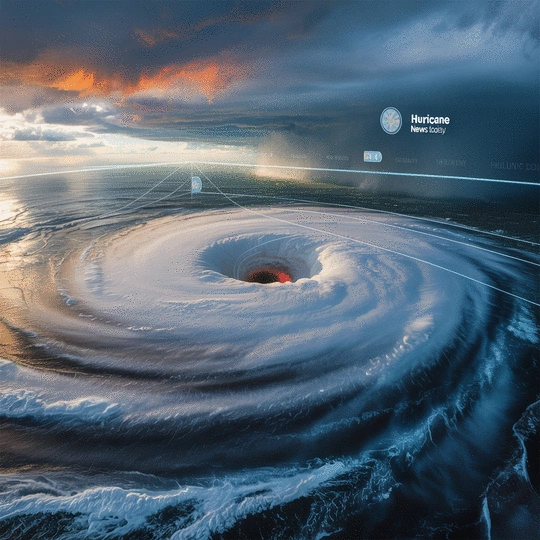
Experts are predicting an active hurricane season for 2025, with several storms expected to reach higher categories. This could lead to more severe weather events affecting coastal communities. It's essential to stay updated with reliable sources like Hurricane News Today, which categorizes information by each hurricane's name for easy access. By keeping an eye on the predicted storm paths, we can gauge our potential risks and prepare accordingly.
Stay informed about storm intensity forecasts.
Monitor climate impact studies as they relate to hurricanes.
Join local weather updates to get real-time information.
By understanding the specific risks for the 2025 season, we can make more informed decisions about our safety and readiness!
Essential Emergency Kit Components for Hurricane Preparedness
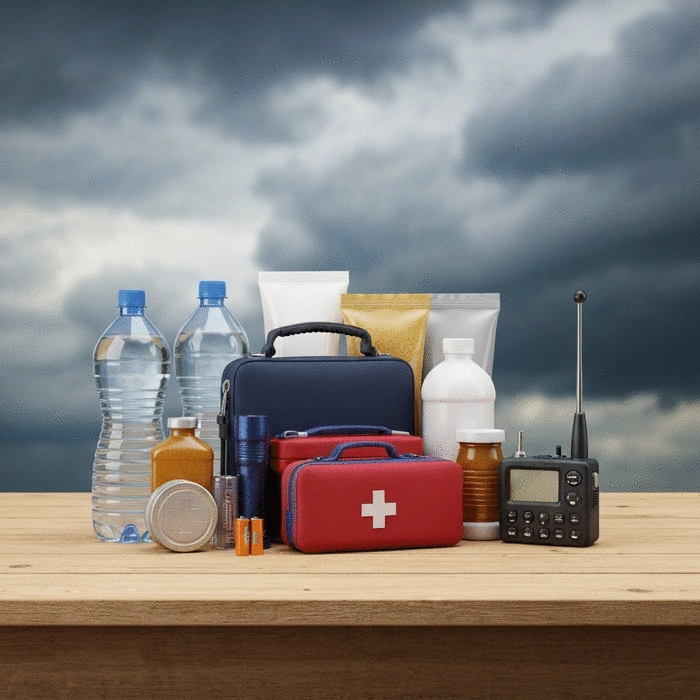
Having an emergency kit is vital for every household, especially during hurricane season. Your kit should contain general supplies as well as specific items tailored to your family's needs. Below is a list of essential items to consider:
At least one gallon of water per person per day for three days
Non-perishable food for at least three days
Battery-powered or hand-crank emergency radio
N95 masks for dust and debris protection
First-aid kit including necessary medications
Flashlights and extra batteries
Important documents (insurance, identification, etc.)
Pet supplies, including food and medication
Remember, your emergency kit should reflect your family's unique needs. I recommend checking these items periodically to ensure they remain up to date. Having everything in place before a storm hits can make all the difference!
Utilizing FEMA Resources for Hurricane Preparedness
FEMA offers invaluable resources that can greatly assist in your hurricane preparedness efforts. Their guidelines provide step-by-step instructions on creating a robust emergency plan. For instance, their website features checklists, evacuation routes, and resources tailored for specific communities. The USDA also provides resources for preparing for the hurricane season.
Access FEMA’s emergency preparedness guides.
Utilize their online tools for creating a family emergency plan.
Sign up for alerts and notifications regarding local emergencies.
By taking advantage of these resources, you can ensure that you are well-prepared to face any challenges that the 2025 hurricane season might bring! Let's work together to keep our communities safe.
We Want to Hear From You!
As we prepare for the upcoming hurricane season, we want to know: What steps are you taking to ensure your family's safety? Share your thoughts below:
Post-Storm Safety and Recovery: What to Expect
Preparing for Aftermath: Health and Safety Precautions
After a hurricane, the path to recovery begins with ensuring your safety. It's vital to be aware of potential hazards such as downed power lines, flooding, and debris. Start by checking your surroundings carefully before venturing outside.
Here are some essential safety measures to keep in mind:
Stay away from floodwaters. They may be contaminated or hide dangerous debris.
Wear sturdy shoes and gloves when clearing debris to protect against cuts or injuries.
Be cautious around damaged buildings and report any structural concerns to local authorities.
Additionally, health risks can arise from mold growth in water-damaged areas, so ensure you ventilate your home and dry out wet areas as soon as possible. Remember, safety first!
Mental Health and Recovery Resources After Disasters
The emotional toll of experiencing a hurricane can be profound. It's important to acknowledge the mental health impacts and seek support if needed. Communities often come together after a storm, and there are resources available to help you cope.
Here’s how you can access mental health support:
Local counseling services: Many communities offer free or low-cost counseling for disaster survivors.
Support groups: Joining a group can provide a sense of camaraderie and understanding.
Helplines: National helplines are available for immediate support and guidance.
Taking care of your mental health is just as crucial as physical safety. You’re not alone in this journey, and help is just a call away!
Temporary Housing Solutions for Displaced Individuals
For those who find themselves without shelter after a hurricane, understanding available temporary housing options is critical. Various organizations and agencies provide assistance during this challenging time.
Consider these options if you or someone you know is displaced:
Emergency shelters: Local authorities often set up temporary shelters for displaced residents.
Community housing programs: Nonprofits frequently offer housing assistance for affected individuals.
FEMA assistance: If eligible, you can apply for FEMA disaster relief funds for temporary housing.
Reaching out for help is a strong first step toward recovery. Keep your community connected, and remember that support is available!
Taking Action: Your Role in Community Preparedness
Engaging with Local Resources and Preparedness Programs
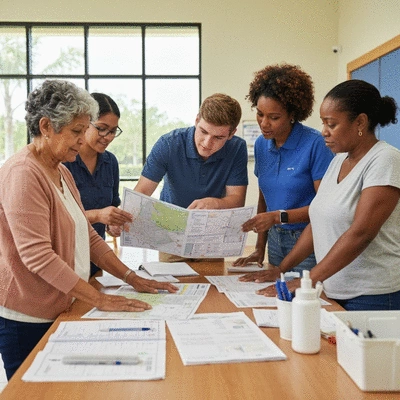
As a community, we thrive on collaboration and support. Engaging with local emergency management and preparedness initiatives is essential. You might wonder where to start; here are some great ways to get involved:
Volunteer: Join local organizations that focus on disaster preparedness and response.
Attend community meetings: Stay informed about local disaster plans and resources.
Share information: Help spread awareness about available resources and preparedness programs.
Every small action counts! Your involvement can make a difference in ensuring that our community is better equipped to handle future storms.
Building Community Resilience through Collaboration
Collaborative efforts are key to building community resilience. By working together, we can enhance our preparedness and recovery strategies. Here are some effective ways we can build resilience:
Form partnerships with local businesses for resource sharing during a crisis.
Organize community workshops focused on emergency preparedness.
Engage schools in preparedness education for students and families.
By fostering a culture of readiness and support, we can empower each other to respond effectively during disasters. Let’s unite and strengthen our community!
Participating in Emergency Drills and Exercises
Practicing emergency response through drills is vital for improving community readiness. Participation in these exercises not only prepares individuals but also strengthens overall community response. Here are some ways to get involved:
Join local emergency drills organized by your community or school.
Encourage your workplace to conduct regular disaster response training.
Invite friends and family to practice evacuation routes and emergency communication plans.
It’s all about preparation! The more we practice, the more confident and capable we become when facing real-life emergencies.
Frequently Asked Questions (FAQs)
What is the predicted intensity of the 2025 hurricane season? Experts are predicting an active hurricane season for 2025, with several storms expected to reach higher categories due to ongoing climate changes, leading to potentially stronger winds, heavier rainfall, and flooding.
What are the essential items for an emergency hurricane kit? An essential emergency kit should include at least one gallon of water per person per day for three days, non-perishable food for three days, a battery-powered or hand-crank radio, N95 masks, a first-aid kit, flashlights and extra batteries, important documents, and pet supplies.
How can FEMA resources aid in hurricane preparedness? FEMA provides emergency preparedness guides, online tools for creating family emergency plans, and alerts and notifications for local emergencies, all designed to help individuals and families prepare effectively.
What safety measures should be taken after a hurricane? Post-storm safety measures include staying away from floodwaters, wearing sturdy shoes and gloves when clearing debris, being cautious around damaged buildings, and ventilating wet areas to prevent mold growth.
Where can I find mental health support after a hurricane? Mental health support can be found through local counseling services, support groups for disaster survivors, and national helplines that offer immediate assistance and guidance.
What options are available for temporary housing if displaced by a hurricane? Temporary housing solutions include emergency shelters set up by local authorities, community housing programs offered by nonprofits, and FEMA disaster relief funds for eligible individuals.
How can I contribute to community hurricane preparedness? You can contribute by volunteering with local disaster preparedness organizations, attending community meetings to stay informed, sharing information about available resources, forming partnerships with businesses, and participating in emergency drills and exercises.
Stay Informed and Prepared: Your Next Steps
Accessing Up-to-Date Information and Resources
Staying informed is crucial, especially during hurricane season. Make sure you have access to current information and resources. Check out these reliable links for ongoing updates:
Having these resources at your fingertips ensures you can make informed decisions during emergencies. Stay proactive!
Encouraging Continuous Planning for Future Seasons
As we prepare for future hurricane seasons, it’s important to maintain an ongoing preparedness mindset. Regularly review and update your emergency plans and supplies. Remember, preparedness is a continuous journey, not just a one-time event!
Set reminders to check your emergency supplies and stay engaged with community programs. By prioritizing preparedness, we can ensure that both you and your community are ready for whatever comes next. Together, we can weather the storms!
Recap of Key Points
Here is a quick recap of the important points discussed in the article:
Stay informed about storm intensity forecasts and monitor climate impact studies to understand the risks.
Prepare an emergency kit with essential supplies tailored to your family's needs.
Utilize FEMA resources for creating an emergency plan and stay updated on local alerts.
After a hurricane, prioritize safety by avoiding floodwaters and being cautious around debris.
Access mental health resources and community support for recovery after a disaster.
Engage with local preparedness programs and participate in emergency drills to enhance community resilience.
Continuously review and update your emergency plans and supplies for future hurricane seasons.
Your go-to resource for live updates, breaking news, and comprehensive analysis of hurricanes worldwide. We help communities stay informed and prepared with our real-time alerts and in-depth safety resources.
Trusted by individuals and emergency responders, our mission is to provide timely and accurate hurricane information backed by seasoned meteorologists and cutting-edge storm tracking technology.