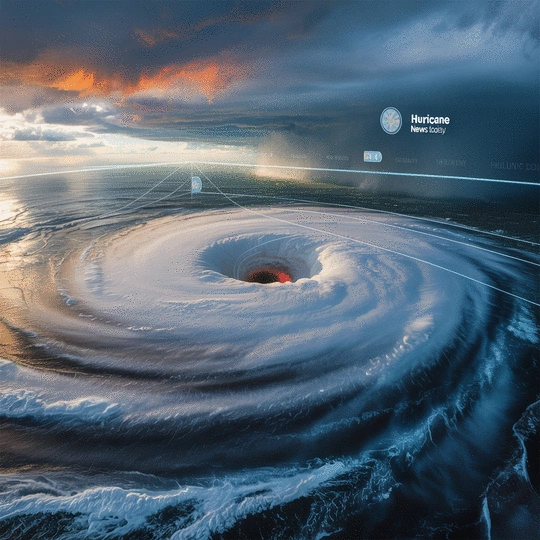
Anticipated Tropical Storms
Tropical Storm Alerts for 2025
Posted on: 2026-05-25
By: Nolan Carter
As we brace ourselves for the 2025 hurricane season, understanding the dynamics of tropical storms can be the difference between preparedness and panic. The anticipated increase in storm activity underscores the importance of being informed and ready. What key lessons can you take away to protect yourself and your community?
What You Will Learn
- Expect an active 2025 hurricane season with 14-20 tropical storms and 6-10 hurricanes predicted.
- Understand key storm tracking terms: Tropical Storm Watch, Warning, Hurricane Watch, and Warning.
- The National Hurricane Center uses satellite imagery and numerical models for real-time storm tracking.
- Prepare an emergency kit with essentials such as water, food, and medical supplies to ensure safety during storms.
- Develop a clear evacuation plan and practice it regularly with family members for swift action during emergencies.
- Engage in community preparedness initiatives to enhance public awareness and foster collective resilience against storms.
2025 Hurricane Season Forecast and Preparedness
Meteorological forecasts for the 2025 hurricane season indicate increased storm activity. Below are key predictions and essential steps for community safety.
2025 Hurricane Season Forecast
Forecasted Hurricanes
Major Hurricanes (Cat 3+)
Key Storm Alert Definitions
Tropical Storm Watch
Conditions possible within 48 hours.
Tropical Storm Warning
Conditions expected within 36 hours.
Hurricane Watch
Hurricane conditions possible within 48 hours.
Hurricane Warning
Hurricane conditions expected within 36 hours.
Understanding Seasonal Tropical Storm Alerts and Warnings for 2025
As we look ahead to the 2025 hurricane season, it's essential to understand what we might expect in terms of tropical storms. Meteorological forecasts suggest a potential increase in the frequency and intensity of storms this year. With my experience as a meteorologist, I can tell you that staying informed is your best defense against these unpredictable storms.
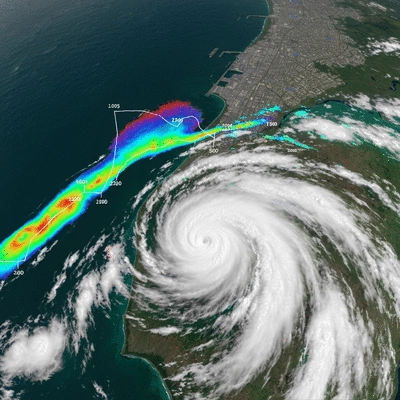
In 2025, experts anticipate numerous tropical storms, with the possibility of some reaching hurricane status. Preparing for the worst while hoping for the best is a mantra we should all adopt as the season approaches!
Overview of the 2025 Hurricane Season
The 2025 hurricane season is predicted to be quite active, with estimates suggesting a higher number of storms compared to previous years. This increase can be attributed to various factors, including warmer ocean temperatures and shifting atmospheric conditions. It's crucial to stay updated with real-time alerts and forecasts as the season unfolds.
- Anticipated number of tropical storms: 14-20
- Forecasted hurricanes: 6-10
- Major hurricanes (Category 3 or higher): 2-5
With these predictions in mind, now is the perfect time to prepare yourself and your loved ones. Keeping an eye on the forecast will allow you to make informed decisions and take the necessary precautions!
Key Definitions: Alerts, Watches, and Warnings
Understanding the terminology used in storm tracking is vital for effective preparedness. Here are the key definitions:
- Tropical Storm Watch: Issued when tropical storm conditions are possible within the next 48 hours.
- Tropical Storm Warning: Issued when tropical storm conditions are expected within 36 hours.
- Hurricane Watch: Indicates that hurricane conditions are possible within 48 hours.
- Hurricane Warning: Alerts that hurricane conditions are expected within 36 hours.
Knowing these definitions can help you act quickly and efficiently when alerts are issued. Always remember, preparation is key, and understanding the alerts is the first step toward safety! For more information on these terms, you can refer to resources like the National Weather Service's hurricane preparedness guidelines.
The Role of the National Hurricane Center in Storm Tracking
The National Hurricane Center (NHC) plays a crucial role in monitoring and forecasting tropical storms and hurricanes. They utilize advanced meteorological models and satellite imagery to track storm systems as they develop. This real-time data allows the NHC to provide accurate forecasts and vital warnings to the public.
- Satellite imagery helps track storm movement and formation.
- Numerical weather prediction models simulate future storm paths.
- Continuous monitoring enables timely updates on storm developments.
By staying connected to information from the NHC, you can better understand the storms' behavior and take action when necessary. At Hurricane News Today, we ensure you receive the latest updates and alerts to keep your community informed and prepared!
Frequently Asked Questions (FAQs) about the 2025 Hurricane Season
- Q: How active is the 2025 hurricane season predicted to be?
- A: The 2025 hurricane season is predicted to be active, with an anticipated 14-20 tropical storms, 6-10 hurricanes, and 2-5 major hurricanes (Category 3 or higher).
- Q: What is the difference between a Tropical Storm Watch and a Tropical Storm Warning?
- A: A Tropical Storm Watch means tropical storm conditions are possible within 48 hours, while a Tropical Storm Warning means tropical storm conditions are expected within 36 hours.
- Q: What is the difference between a Hurricane Watch and a Hurricane Warning?
- A: A Hurricane Watch indicates hurricane conditions are possible within 48 hours, whereas a Hurricane Warning means hurricane conditions are expected within 36 hours.
- Q: What role does the National Hurricane Center (NHC) play?
- A: The NHC monitors and forecasts tropical storms and hurricanes using advanced meteorological models and satellite imagery, providing accurate forecasts and vital public warnings.
- Q: What essential items should be included in an emergency kit?
- A: An emergency kit should include water (one gallon per person per day for three days), non-perishable food, first-aid supplies, flashlights with extra batteries, a whistle, medications, personal hygiene items, and important documents.
- Q: Why is having an evacuation plan important?
- A: A clear evacuation plan helps ensure your safety and peace of mind by identifying safe routes, planning accommodations, and allowing for swift action when necessary.
We Want to Hear From You!
As we prepare for the 2025 hurricane season, what steps are you taking to ensure your family's safety? Share your thoughts and strategies below:
Preparedness: Essential Steps for 2025 Storm Season
Creating Your Emergency Kit
Having a well-thought-out emergency kit can make all the difference when a tropical storm approaches. Start by gathering essential items that will not only support your immediate needs but also help you ride out the storm safely. Here’s a checklist of crucial items to include:
- Water (at least one gallon per person per day for three days)
- Non-perishable food (enough for three days)
- First-aid supplies
- Flashlights with extra batteries
- Whistle to signal for help
- Medications and medical supplies
- Personal hygiene items
- Important documents (including flood insurance documentation)
Make sure to regularly check and update your kit. It's a good idea to review items every few months, especially to replace any expired food or medications. Remember, preparation is key! The time to act is now, not when the storm is looming. For further details on constructing a comprehensive emergency kit, the Department of Homeland Security and Emergency Services provides valuable guidance.

Developing an Evacuation Plan
Having a clear evacuation plan is essential for your safety and peace of mind during storm season. To create a reliable evacuation plan, consider the following steps:
- Identify safe routes to higher ground or shelters.
- Plan where you will go and arrange for accommodations.
- Discuss your plan with family members and practice it together.
- Stay updated on local emergency management agency guidelines.
Communicating your evacuation plan not only helps keep your family safe but also prepares you to act swiftly when necessary. As your trusted source for hurricane information, Hurricane News Today is here to keep you informed with real-time updates on local conditions during emergencies!
Community Preparedness Initiatives for Storm Season
Community resilience is crucial when facing tropical storms. Many local programs and initiatives can help enhance public awareness and education about storm preparedness. Here are some examples of initiatives you might find in your area:
- Community workshops on emergency preparedness
- Local neighborhood watch or resilience groups
- Public education campaigns through schools and local organizations
- Engagement with local government and emergency management agencies
Participating in these initiatives not only strengthens your personal preparedness but also fosters a sense of community. After all, we’re all in this together—let's make sure we’re ready to face the storm as a united front!
Recap of Key Points
Here is a quick recap of the important points discussed in the article:
- The 2025 hurricane season is predicted to be active, with 14-20 tropical storms expected.
- Understanding alerts and warnings is crucial for safety: Tropical Storm Watch, Warning, Hurricane Watch, and Warning.
- Stay connected to the National Hurricane Center for real-time updates and forecasts.
- Prepare an emergency kit with essentials like water, food, first-aid supplies, and important documents.
- Develop a clear evacuation plan and communicate it with family members.
- Engage in community preparedness initiatives to enhance resilience and awareness.
2026-07-16
2025 Hurricane Season Storm Tracker
 As we gear up for the 2025 hurricane season, understanding the timeline, storm names, and preparedne
2026-07-15
Hurricane Path Projections Explained
 As the intensity of hurricane seasons rises, knowing how to stay informed becomes essential. Real-ti
2026-07-12
Hurricane Preparedness: Stay Informed
 As the winds howl and the skies darken, the importance of reliable information during a hurricane ca