Stay Ahead of the Storm!

Get Nolan Carter's live hurricane updates and expert forecasts delivered directly to your inbox.

Hurricane Tracking Tools for Residents


Hurricane Tracking Tools for Residents

Posted on: 2026-04-21
By: Nolan Carter


When hurricane season approaches, staying prepared can make all the difference. The right tools are essential for understanding the storm's path and ensuring your safety. Here’s what you’ll learn about hurricane tracking tools and their importance.

What You Will Learn

  • Accurate hurricane tracking is vital for informed decision-making, reducing panic and confusion during emergencies.
  • Various tracking solutions, including mobile apps and professional monitoring systems, cater to different needs and preferences.
  • NOAA and the National Hurricane Center provide critical data and forecasts, enhancing public trust in tracking tools.
  • Social media plays a significant role in disseminating real-time updates and community insights during hurricanes.

Leading Hurricane Tracking Tools: Performance and User Insights

This visual summarizes the historical performance and key user feedback for popular hurricane tracking tools, highlighting their effectiveness and reliability.

Weather.com: Historical Performance

Known for its comprehensive tracking.

Accuracy Rate: ~85% during major hurricanes.

Provides detailed forecasts, live radar, and customizable alerts.

MyRadar: Real-Time Updates & Success

Excels in real-time updates.

Success Rate: Notable in quickly identifying storm changes.

User-friendly interface with live weather radar and storm tracking.

Storm Radar: High-Resolution Accuracy

Provides detailed radar imagery.

Praised for accuracy in short-term forecasts.

Focuses on high-resolution data for neighborhood-level tracking.

User Feedback & Reliability Insights

  • Reviews highlight notification effectiveness.
  • Ratings reflect app user-friendliness.
  • Feedback guides new users to trusted tools.

Understanding Hurricane Tracking Tools for Coastal Residents

As a coastal resident, staying informed during hurricane season is crucial. The importance of reliable tracking cannot be overstated. Accurate information allows you to make informed decisions about evacuation, preparation, and safety measures. With hurricanes being unpredictable, having real-time updates can mean the difference between safety and disaster!

At Hurricane News Today, we understand that when the storm clouds gather, access to the right tracking tools is vital. By utilizing these resources, you can better protect your loved ones and property from potential threats.

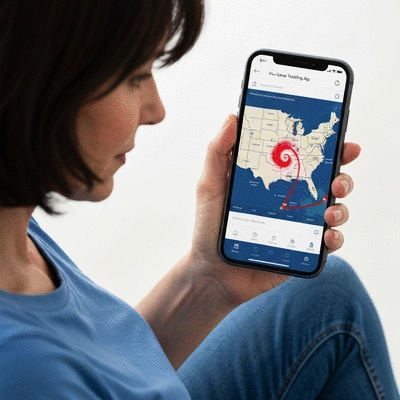
Person using a hurricane tracking app on a smartphone, showing a storm path on a map

Why Accurate Hurricane Tracking Is Essential for Coastal Living

Coastal living comes with unique challenges, especially during hurricane season. Accurate tracking is not just about charts and numbers; it's about protecting lives and property. When a hurricane approaches, having precise information enables you to assess whether you need to evacuate or make preparations at home.

  • Informed decision-making reduces panic and confusion.
  • Timely alerts can enhance your emergency response.
  • Understanding storm paths helps you prepare your home and community.

Relying on real-time data ensures that you are not caught off guard, making accurate hurricane tracking an essential tool for anyone living in coastal areas.

Types of Hurricane Tracking Solutions Available

With technology at our fingertips, there are various hurricane tracking solutions available to suit your needs. Here are some of the top options:

  • Mobile Apps: Applications like MyRadar and Weather.com provide instant updates and notifications. Additionally, the FEMA App offers essential safety tips and alerts.
  • Desktop Software: Programs that analyze storm data and offer in-depth forecasting.
  • Professional Monitoring Systems: Services that aggregate data from multiple sources for comprehensive tracking.

Exploring these tools can help you find the best fit based on your lifestyle and preference for information delivery. Whether you prefer apps on your phone or detailed reports on your computer, there's a solution for everyone.

Key Roles of NOAA and the National Hurricane Center in Hurricane Forecasting

The National Oceanic and Atmospheric Administration (NOAA) and the National Hurricane Center (NHC) play pivotal roles in hurricane forecasting. They leverage advanced data and technology to provide timely and accurate information. Their efforts include:

  • Gathering satellite imagery and radar data to monitor storm development.
  • Collaborating with meteorologists to analyze hurricane trends and patterns.
  • Distributing forecasts and warnings to the public through various channels.

Understanding the functions of these organizations can foster greater trust in the data you receive. As we strive for safety during hurricane season, knowing that experts are behind the tracking tools you use can provide peace of mind.

Comparing Leading Hurricane Tracking Apps and Software

When it comes to hurricane preparedness, having the right tools is essential. Let's dive into some of the leading options available.

Features and Benefits of Popular Hurricane Tracking Tools

Each hurricane tracking app or software comes with its own set of features that cater to different needs. Here’s a quick comparison of some popular tools:

  • Weather.com: Offers detailed forecasts, live radar, and customizable alerts.
  • MyRadar: Provides a user-friendly interface with real-time weather radar and storm tracking.
  • Storm Radar: Focuses on high-resolution radar data, allowing users to track storms down to neighborhood levels.

Choosing the right tracking tool can enhance your preparedness and responsiveness during hurricane events. Each tool offers unique benefits, so exploring them can empower you to stay informed.

Real-Time Monitoring and Alerts: What to Expect

When a hurricane is approaching, receiving real-time updates is vital. Many tools provide alerts through:

  • Push notifications directly to your mobile device.
  • Email updates with the latest forecasts.
  • Social media updates for instant information sharing.

By utilizing these features, you can stay one step ahead and make informed decisions quickly. Remember, timely information can save lives!

The Importance of Local Weather Stations and Emergency Alert Systems

Local weather stations and Emergency Alert Systems (EAS) are essential components of hurricane preparedness. They play a crucial role in delivering localized information that can impact your community directly. Key benefits include:

  • Access to localized forecasts tailored to your area.
  • Immediate alerts for severe weather conditions.
  • Collaboration with emergency management for coordinated responses.

By trusting local sources and alert systems, you can ensure that you receive the most relevant and timely information during hurricane season.

Assessing the Accuracy and Reliability of Hurricane Tracking Tools

As a meteorologist with over a decade of experience, I understand how crucial it is to assess the accuracy and reliability of hurricane tracking tools. These tools can be a lifeline during the frantic days leading up to a storm. It's essential for coastal residents to feel confident in the information they receive to make informed decisions. By evaluating the historical performance of various tools and considering user feedback, we can better understand which sources are most trustworthy.

Meteorologist looking at multiple screens with weather maps and data

Frequently Asked Questions (FAQs)

Q1: Why is accurate hurricane tracking important for coastal residents?
A1: Accurate hurricane tracking is crucial for coastal residents because it enables informed decision-making regarding evacuation, preparation, and safety measures, ultimately protecting lives and property.
Q2: What types of hurricane tracking solutions are available?
A2: Various solutions are available, including mobile apps (e.g., MyRadar, Weather.com, FEMA App), desktop software for in-depth forecasting, and professional monitoring systems that aggregate data from multiple sources.
Q3: What roles do NOAA and the National Hurricane Center play in forecasting?
A3: NOAA and the National Hurricane Center (NHC) are pivotal in forecasting. They gather satellite imagery and radar data, collaborate with meteorologists to analyze trends, and distribute forecasts and warnings to the public.
Q4: How can I assess the reliability of a hurricane tracking tool?
A4: You can assess reliability by examining historical performance (e.g., Weather.com's ~85% accuracy rate), user feedback and ratings, and the tool's ability to provide real-time updates and notifications.
Q5: How do local weather stations and Emergency Alert Systems help during hurricane season?
A5: Local weather stations and Emergency Alert Systems (EAS) provide localized forecasts tailored to your area, immediate alerts for severe weather, and collaborate with emergency management for coordinated responses, ensuring relevant and timely information.

Historical Performance Analysis of Tracking Tools

One way to gauge the reliability of hurricane tracking tools is through their historical performance. Many tools have been tested in the field during previous hurricane seasons. Here’s a quick overview of how some popular tools have performed:

  • Weather.com: Known for its comprehensive tracking, it has reported an accuracy rate of around 85% during major hurricanes.
  • MyRadar: This app excels in real-time updates, with a notable success rate in quickly identifying storm changes.
  • Storm Radar: It provides detailed radar imagery and has been praised for its accuracy, especially in short-term forecasts.

These performance metrics highlight the importance of relying on well-established tools, especially during critical times. Tools that have proven their worth in history give us a sense of security!

Understanding the Role of User Feedback and Ratings

User feedback is invaluable when it comes to assessing tracking tools. The experiences shared by other users can shed light on the reliability of these tools during actual storms. Many platforms offer ratings and reviews that help inform potential users. Here are some key points to consider:

  • User reviews often highlight the effectiveness of notifications and alerts.
  • Ratings can reflect the user-friendliness of apps and software.
  • Feedback about data accuracy during past hurricanes can guide new users in choosing the best tools.

By paying attention to user feedback, you can ensure that the tools you choose are not only effective but also have a solid reputation among those who use them regularly.

The Impact of Social Media Weather Updates on Public Awareness

Today, social media plays a significant role in sharing timely information during hurricanes. Platforms like Twitter and Facebook can disseminate critical updates quickly. Here are some ways social media enhances public awareness:

  • Real-time updates from meteorologists and news outlets keep citizens informed.
  • Community members can share local insights, helping to fill in gaps in official reporting.
  • Social media can help highlight emergency resources and safety tips.

While it’s essential to be cautious of misinformation, social media can serve as a powerful tool for keeping the public informed when every minute counts. As we navigate hurricane season, let’s leverage the resources available to us—because staying connected can make all the difference!

Recap of Key Points

Here is a quick recap of the important points discussed in the article:
  • Accurate hurricane tracking is essential for making informed decisions during storm events.
  • Utilize various tracking tools like mobile apps, desktop software, and professional monitoring systems to stay updated.
  • NOAA and the National Hurricane Center provide crucial data and forecasts to help you prepare effectively.
  • Real-time alerts through notifications, emails, and social media can enhance your response during a hurricane.
  • User feedback and historical performance are vital in assessing the reliability of tracking tools.
  • Local weather stations and Emergency Alert Systems are critical for receiving timely, localized information.

Subscribe & Share
Cyclone Forecasting: Challenges and Innovations Cyclone Forecasting: Challenges and Innovations Did you know that advancements in technology are reshaping the way we forecast tropical cyclones? Fr
Current Hurricane Threats Today Current Hurricane Threats Today In times of hurricane threats, staying informed can be the difference between safety and disaster. A
Understanding Hurricane Tracking Tools Understanding Hurricane Tracking Tools As hurricane season approaches, understanding the tools that track these powerful storms becomes ess
Banner
Hurricane News Today

Your go-to resource for live updates, breaking news, and comprehensive analysis of hurricanes worldwide. We help communities stay informed and prepared with our real-time alerts and in-depth safety resources.

Trusted by individuals and emergency responders, our mission is to provide timely and accurate hurricane information backed by seasoned meteorologists and cutting-edge storm tracking technology.

Learn More
Recent Posts
Cyclone Forecasting: Challenges and Innovations Cyclone Forecasting: Challenges and Innovations

Did you know that advancements in technology are r

Current Hurricane Threats Today Current Hurricane Threats Today

In times of hurricane threats, staying informed ca

Understanding Hurricane Tracking Tools Understanding Hurricane Tracking Tools

As hurricane season approaches, understanding the

Hurricane Preparedness Tips