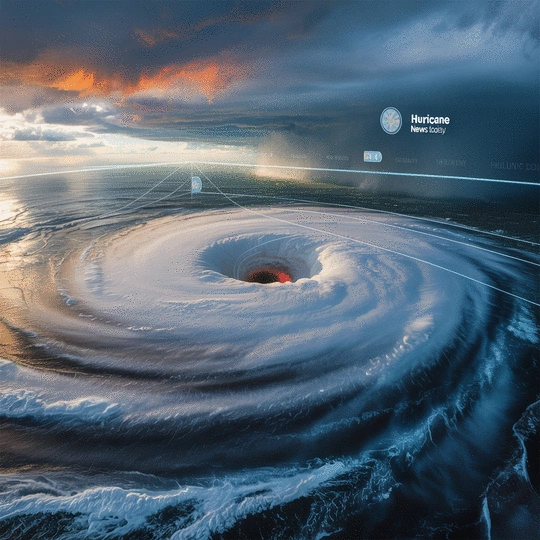
As hurricane season approaches, ensuring you have the right tools and information is vital for safety and preparedness. Understanding how to effectively track tropical storms can empower you and your community to take action. Here’s what you’ll learn to enhance your storm preparedness.
What You Will Learn
Real-time data is crucial for making informed decisions during storm threats.
Relying on official sources like NOAA and NHC ensures you receive accurate updates.
Choosing the right hurricane tracking tools can significantly enhance your preparedness.
Utilizing apps with live tracking and emergency features can save lives.
Staying informed through official channels empowers you to act quickly and safely.
Key Aspects of Effective Tropical Storm Monitoring
Understanding and responding to tropical storms requires a systematic approach. The visual below details the critical elements for effective monitoring, from the foundational importance of real-time data to the strategic use of official warnings and advanced tracking tools.
Why Real-Time Data Matters
Real-time data is crucial for storm preparedness, enabling timely alerts, quick decision-making, and effective resource planning for local authorities. Every second counts. Updates help anticipate storm paths and intensity, safeguarding communities.
Enhances safety with timely alerts.
Enables quick family decisions.
Helps authorities plan resources.
The Role of Official Sources
Official sources like NHC and NOAA provide accurate, consistent, and timely information using advanced technology. Relying on them ensures access to the most trustworthy data.
Utilize advanced technology.
Provide consistent updates.
First to issue alerts.
Key Organizations: NOAA & NHC
NOAA forecasts weather patterns using satellites, while NHC (under NOAA) tracks tropical systems and issues public advisories. Their collaboration ensures accurate forecasts.
NOAA: Predicts weather, uses satellite tech.
NHC: Tracks tropical systems, issues advisories.
Choosing the Right Tool Checklist
Real-Time Updates: Live tracking.
Official Sources: Reputable data.
User-Friendly: Easy navigation.
Emergency Features: Evacuation routes.
Enhanced Monitoring Tools
Leverage satellite imagery and wind speed maps for visual storm representation, understanding strength and trajectory. Interactive features help zoom in on specific areas for detailed analysis.
High-res satellite images.
Wind speed maps for intensity.
Understanding the Importance of Hurricane Tracking Tools for Tropical Storm Monitoring
When a tropical storm or hurricane threatens our communities, having the right information at your fingertips is crucial. That's where hurricane tracking tools come into play. These tools provide real-time data, which is essential for making informed decisions. Whether you're a seasoned storm tracker or someone just getting started, understanding how to navigate these resources can make all the difference in your storm preparedness efforts!
Accurate tracking tools help us anticipate the path and intensity of hurricanes, allowing individuals and families to prepare their homes and loved ones for potential impacts. By staying connected with reliable updates, you're not only safeguarding your well-being but also empowering your community to act wisely when storms approach.
Why Real-Time Data Matters for Storm Preparedness
The importance of real-time data cannot be overstated during hurricane season. This data provides a constantly updated picture of storm conditions, enabling you to stay ahead of changeable weather patterns. Here are some reasons why real-time updates are essential:
They enhance safety by providing timely alerts on changing storm paths.
They enable families to make quick decisions regarding evacuation and safety measures.
They help local authorities plan resources and emergency services effectively.
With access to real-time data, you can respond quickly, ensuring your family's safety and preparedness. Remember, every second counts when a hurricane is on its way!
The Role of Official Sources in Providing Accurate Information
Official sources play a vital role in delivering accurate information about hurricanes. Organizations like the National Hurricane Center (NHC) and the National Oceanic and Atmospheric Administration (NOAA) are committed to tracking storms and issuing alerts. Their data is reliable and backed by years of research. Here’s why relying on official sources is crucial:
They use advanced technology and scientific research to gather data.
They provide consistent updates that are easy to interpret.
They are the first to give alerts about storm warnings and watches.
By trusting these sources, you can rest assured knowing you're getting the most accurate and timely information available. At Hurricane News Today, we always prioritize these official updates to keep our community informed and safe.
Key Organizations Behind Hurricane Tracking: NOAA and NHC Overview
To truly understand hurricane tracking, it’s essential to recognize the key organizations that provide this critical information. The National Oceanic and Atmospheric Administration (NOAA) and the National Hurricane Center (NHC) are at the forefront of storm monitoring. Here’s a brief overview of their roles:
NOAA: This organization focuses on understanding and predicting weather patterns, including hurricanes. They employ advanced satellite technology and research to forecast storms.
NHC: Operating under NOAA, the NHC specializes in tracking tropical systems. They issue storm advisories and are responsible for public alerts related to hurricanes.
Both organizations are essential for hurricane preparedness, and their collaboration ensures that we receive the most accurate forecasts possible. When you turn to their reports, you are getting information that can literally mean the difference between safety and danger.
Did You Know?
According to the National Oceanic and Atmospheric Administration (NOAA), hurricanes can produce winds exceeding 157 mph, which can cause catastrophic damage. Staying informed through reliable tracking tools is not just a precaution—it's a necessity to ensure your safety and that of your loved ones.
Frequently Asked Questions About Hurricane Tracking
Q1: Why is real-time data important for hurricane preparedness?
A1: Real-time data provides constantly updated information on storm conditions, enabling timely alerts, quick decision-making for families, and effective resource planning for local authorities. It helps you stay ahead of changeable weather patterns and respond quickly.
Q2: Which official sources should I rely on for accurate hurricane information?
A2: You should rely on official sources like the National Hurricane Center (NHC) and the National Oceanic and Atmospheric Administration (NOAA). These organizations use advanced technology and scientific research to provide accurate, consistent, and timely updates.
Q3: What are the key roles of NOAA and NHC in hurricane tracking?
A3: NOAA focuses on understanding and predicting weather patterns, including hurricanes, using advanced satellite technology. NHC, operating under NOAA, specializes in tracking tropical systems and issuing storm advisories and public alerts.
Q4: What should I look for when choosing a hurricane tracking tool?
A4: When choosing a tracking tool, look for real-time updates and live tracking, ensure it sources data from reputable official agencies, check for a user-friendly interface, and verify if it includes emergency preparedness features like evacuation routes and checklists.
Q5: How can satellite imagery and wind speed maps enhance storm monitoring?
A5: Satellite imagery and wind speed maps provide a visual representation of storm systems, helping you understand their strength and trajectory. High-resolution images offer real-time tracking, while wind speed maps indicate intensity and potential damage, often with interactive features.
Summarizing Key Takeaways for Effective Tropical Storm Monitoring
As we navigate the unpredictable world of tropical storms, having the right tools at your disposal is crucial. Effective monitoring can significantly enhance your preparedness, giving you the confidence you need to protect yourself and your loved ones. Here are some key takeaways to ensure you're well-equipped when storms approach:
Utilize apps that provide real-time data and alerts.
Follow official sources for the most accurate and timely information.
Choose tools that meet your specific needs, whether you're a casual observer or a dedicated storm tracker.
By keeping these points in mind, you can make informed decisions that will keep you safe during hurricane season!
Choosing the Right Tool for Your Needs: A Final Checklist
When selecting the best hurricane tracking tools, consider the following checklist to help guide your decision:
Real-Time Updates: Make sure the app provides live tracking and alerts.
Official Sources: Check if the tool sources its data from reputable agencies.
User-Friendly Interface: Look for apps that are easy to navigate, especially under stress.
Emergency Preparedness Features: Consider whether the tool includes safety resources like evacuation routes and checklists.
This checklist can help you quickly narrow down options and choose the tool that aligns best with your hurricane preparedness strategy.
Staying Informed: The Importance of Following Official Warnings
Sign up for local alerts to receive notifications directly.
Regularly check updates on official websites and apps.
Follow social media channels of reputable weather organizations for the latest news.
By staying informed through these channels, you empower yourself and your community to respond effectively when storms strike.
Encouraging Safe Practices During Hurricane Season
Preparing Your Emergency Plan with Reliable Tracking Tools
Having a well-thought-out emergency plan is essential. Start by integrating reliable tracking tools into your preparation:
Assemble an emergency kit and include tools that provide real-time storm information.
Establish communication plans with family and friends.
Know your evacuation routes and safe locations.
Utilizing tracking tools can help reinforce these plans, ensuring you’re ready for whatever the storm brings!
Using Satellite Imagery and Wind Speed Maps for Enhanced Monitoring
Satellite imagery and wind speed maps are invaluable for tracking storms. They provide a visual representation of storm systems, helping you understand their strength and trajectory. For a comprehensive overview of available tools, NOAA provides valuable resources on hurricane preparedness. Make sure to take advantage of:
High-resolution satellite images for real-time storm tracking.
Wind speed maps that indicate the intensity and potential damage caused by a storm.
Interactive features that allow you to zoom in on specific areas.
By incorporating these tools into your monitoring routine, you can gain a clearer understanding of storm developments!
Call to Action: Stay Updated and Be Prepared for Tropical Storms
As hurricane season approaches, I urge everyone to take these safety measures seriously. Whether you’re a seasoned storm tracker or just starting out, don’t hesitate to explore the resources available through Hurricane News Today. Stay updated, stay prepared, and remember: knowledge is your best defense against the unpredictable nature of hurricanes. Let's work together to keep our communities safe!
Recap of Key Points
Here is a quick recap of the important points discussed in the article:
Utilize hurricane tracking tools that provide real-time data for effective storm monitoring.
Rely on official sources like NOAA and NHC for accurate and timely information.
Stay informed by signing up for alerts and regularly checking updates from reputable agencies.
Incorporate emergency preparedness features in your tracking tools, such as evacuation routes.
Use satellite imagery and wind speed maps for enhanced understanding of storm conditions.
Your go-to resource for live updates, breaking news, and comprehensive analysis of hurricanes worldwide. We help communities stay informed and prepared with our real-time alerts and in-depth safety resources.
Trusted by individuals and emergency responders, our mission is to provide timely and accurate hurricane information backed by seasoned meteorologists and cutting-edge storm tracking technology.