1. NOAA Data Collection & Monitoring
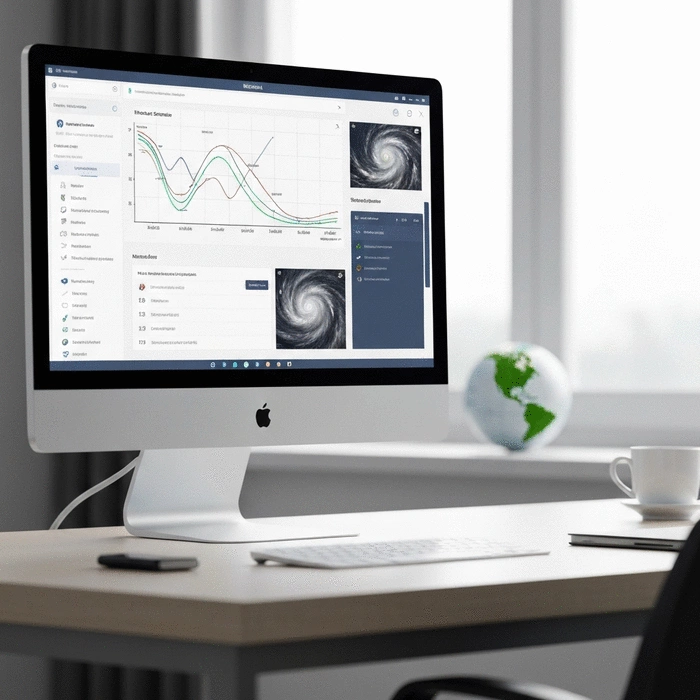
Utilizing satellites, weather models, and real-time sensors to gather comprehensive hurricane data.
📡Get Nolan Carter's live hurricane updates and expert forecasts delivered directly to your inbox.
Posted on: 2026-05-05
By: Nolan Carter
Every hurricane season brings its own set of challenges, but understanding the data behind hurricane tracking can empower communities to stay safe. As storms develop, the role of organizations like NOAA becomes crucial in providing real-time updates and forecasts. Let’s delve into the key lessons that reveal how this data can make a significant impact.
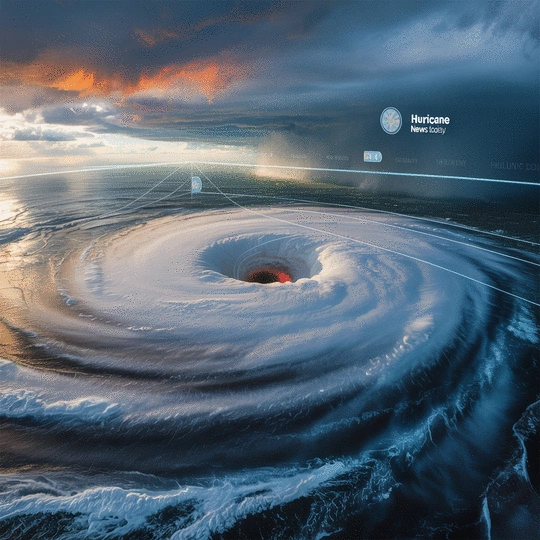
NOAA data is central to effective hurricane tracking, but it's the collaborative effort of multiple agencies and advanced tools that truly enhances disaster preparedness. The visual below demonstrates the interconnected process of data flow, analysis, and dissemination that keeps communities safe.
Utilizing satellites, weather models, and real-time sensors to gather comprehensive hurricane data.
📡Timely evacuations, resource allocation, and crucial storm surge modeling information for safety.
🏠As a seasoned meteorologist, I can tell you that understanding the National Oceanic and Atmospheric Administration (NOAA) data is crucial for effective hurricane tracking. NOAA plays a vital role in our ability to monitor and analyze tropical storms and hurricanes. With the National Hurricane Center (NHC) at its core, NOAA is dedicated to providing the most accurate and timely information to keep communities safe during hurricane season.
The NHC combines advanced technology and expert analysis to deliver forecasts and warnings that empower individuals and organizations to make informed decisions. As we dive deeper into the importance of this data, let’s explore why it's essential for tracking tools and how it influences our safety plans.
NOAA, through the NHC, serves as the primary source of hurricane data in the United States. This agency is charged with monitoring tropical storms and providing forecasts that are critical during hurricane season. The NHC uses a variety of innovative tools, including satellite imagery and weather models, to keep us updated on storm developments.
As someone deeply invested in weather patterns, I appreciate how NOAA’s data enables us to track storms effectively. Understanding the functionality of the NHC helps communities stay alert and prepared, mitigating the impact of hurricanes.
Real-time hurricane data is indispensable for effective tracking tools. It allows us to monitor changes in storm intensity, trajectory, and potential landfall. This data can be a game-changer in how we prepare for and respond to hurricanes.
By leveraging this real-time information, individuals and organizations can make informed decisions that enhance safety and preparedness. At Hurricane News Today, we’re committed to delivering the most current updates to empower our audience.
The National Weather Service (NWS) plays a pivotal role in hurricane monitoring by collaborating closely with NOAA. They use the data and forecasts generated by the NHC to disseminate critical information to the public. This partnership enhances the overall effectiveness of our hurricane preparedness efforts.
The collaboration between NOAA and the NWS ensures we receive the most accurate and comprehensive information available. This partnership is essential for keeping communities informed and ready for any storm that may come our way.
According to NOAA, accurate hurricane forecasts have improved significantly over the past few decades. In fact, the average track error for a hurricane forecast in the U.S. has decreased by over 50% since the 1990s. This advancement in forecasting technology and data integration not only saves lives but also helps communities prepare more effectively for impending storms.
Integrating NOAA data into hurricane tracking tools offers a multitude of benefits that significantly enhance disaster preparedness and response. By leveraging this wealth of information, developers and users can create more accurate tracking systems that help communities stay informed and safe during storm events. At Hurricane News Today, we recognize the critical role that reliable data plays in informing our audience and fostering resilience.
In this section, we'll look at three key areas where NOAA data integration can make a substantial impact: enhancing disaster preparedness, future trends in data utilization, and the importance of storm surge modeling.
When it comes to hurricane preparedness, having access to real-time data is essential. NOAA data provides a clearer picture of potential storm impacts, allowing communities to take proactive measures. Here are some ways in which integrating NOAA data enhances preparedness:
By implementing these strategies, communities can significantly reduce risks associated with hurricanes, ultimately saving lives and property.
The landscape of hurricane forecasting is rapidly evolving, thanks in large part to advancements in technology and data integration. As we look to the future, here are some trends that will shape how NOAA data is utilized:
These trends not only promise to enhance our understanding of hurricanes but also empower communities to respond more effectively.
Storm surge is one of the most dangerous aspects of hurricanes, causing devastating flooding in coastal areas. Accurate storm surge modeling, supported by NOAA data, is vital for effective hurricane preparedness. Here’s why it matters:
At Hurricane News Today, we emphasize the importance of staying informed about storm surge risks and encourage our readers to utilize the latest NOAA data in their preparations. Furthermore, understanding how NOAA preserves and maintains long-term hurricane data records is crucial for ongoing research and improving future forecasts.
Here is a quick recap of the important points discussed in the article: